
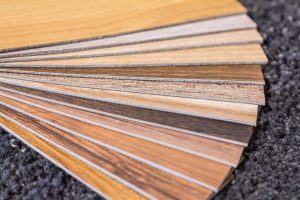
How to Determine the Quality of Vinyl Flooring (A Complete Buyer’s Guide)
Vinyl flooring is widely used in Singapore homes and commercial spaces because it is durable, water-resistant, and visually versatile. However, not all luxury vinyl flooring offers the same level of performance, particularly in high foot traffic areas. Two vinyl floors may look similar at first glance, yet differ significantly in lifespan, comfort, and durability.
This guide explains how to determine the quality of vinyl flooring, so you can make an informed decision before buying and avoid long-term issues such as peeling, dents, or premature wear.
Why Vinyl Flooring Quality Matters
High-quality vinyl flooring performs better under daily use and environmental stress. It maintains its appearance, resists moisture damage, and provides better stability over time. Poor-quality vinyl flooring, on the other hand, may fade, warp, or fail under normal household conditions.
In Singapore’s humid climate, choosing the right vinyl flooring quality is especially important to ensure long-term durability.
1. Wear Layer Thickness and Its Importance
The wear layer is the transparent protective coating on top of vinyl flooring. It shields the surface from scratches, stains, and everyday wear.
As a general guideline:
Light residential use requires a minimum wear layer of 0.3mm
Heavier residential or commercial use benefits from 0.5mm or more
A thicker wear layer usually indicates better resistance to damage and longer lifespan.
2. Understanding Total Vinyl Flooring Thickness
Total thickness affects comfort, noise absorption, and stability. Thicker vinyl flooring often feels more solid underfoot and handles minor subfloor imperfections better.
However, thickness alone does not determine quality. A thinner vinyl with a strong core and good wear layer can outperform a thicker but poorly constructed option.
3. Core Layer Quality (SPC vs WPC)
The core layer is the backbone of vinyl flooring and plays a major role in durability.
SPC (Stone Plastic Composite)
Offers high rigidity, excellent dimensional stability, and strong resistance to dents and moisture. It is ideal for high-traffic areas.WPC (Wood Plastic Composite)
Provides more cushioning and comfort underfoot, with better sound absorption. Suitable for residential spaces where comfort is prioritised.
High-quality vinyl flooring uses a well-engineered core that resists bending, expansion, and contraction.
4. Surface Design, Texture, and Finish
Good-quality vinyl flooring features:
Realistic wood or stone visuals
Embossed textures that align with the design
Consistent colour patterns across planks
Lower-quality vinyl often appears flat, repetitive, or artificial once installed.
5. Waterproof and Moisture Resistance
One key advantage of vinyl flooring is its water resistance. Quality vinyl flooring should be fully resistant to moisture, making it suitable for living rooms, bedrooms, kitchens, and HDB flats.
Always confirm that the flooring is designed to withstand spills and humidity without swelling or lifting.
6. Installation System and Locking Mechanism
The installation system affects both appearance and long-term performance. High-quality vinyl flooring uses secure click-lock systems that:
Hold planks firmly together
Prevent gaps from forming
Reduce movement over time
Poor locking systems can result in uneven flooring even if the material itself looks good.
7. Integrated Underlay and Comfort
Some vinyl flooring products include an attached underlay layer. This helps with:
Noise reduction
Walking comfort
Minor subfloor unevenness
While not essential, an integrated underlay improves overall user experience.
8. Environmental Safety and Certifications
Quality vinyl flooring often meets environmental and safety standards such as low VOC emissions. This contributes to better indoor air quality, which is especially important for households with children or elderly occupants.
Always check product specifications for safety compliance.
9. Warranty and Brand Reputation
A reliable vinyl flooring supplier provides:
Clear product warranty terms
Installation workmanship assurance
Transparent technical specifications
Established flooring specialists, such as The LN Flooring, typically place strong emphasis on proper material specifications and installation standards, which plays a key role in long-term flooring performance.
10. Price vs Value: What to Consider
While higher-quality vinyl flooring usually costs more, choosing the cheapest option can lead to higher replacement and repair costs later. Value should be measured in terms of durability, performance, and long-term satisfaction rather than upfront price alone.
Common Mistakes When Choosing Vinyl Flooring
Judging quality by appearance only
Ignoring wear layer thickness
Overlooking core construction
Assuming all vinyl flooring is waterproof
Not checking warranty details
Avoiding these mistakes helps ensure a better flooring investment.
How to Choose the Right Vinyl Flooring for Your Space
To determine whether vinyl flooring is good quality, always:
Review technical specifications carefully
Understand wear layer and core composition
Inspect physical samples
Match the flooring type to usage needs
Many homeowners consult experienced flooring providers like The LN Flooring during this stage to better understand which vinyl flooring options suit their space and lifestyle requirements.
Final Thoughts
Knowing how to determine the quality of vinyl flooring allows you to make a confident and informed purchase. High-quality vinyl flooring offers durability, comfort, and long-term value, while poor-quality products often lead to avoidable issues.
By understanding the key factors outlined above, you can select vinyl flooring that performs well and lasts for years.
Similar Articles


Contact Us
Got a question? We’re here to help. Drop us an email and we’ll get back to you as soon as we can.