
Engineered Timber vs Vinyl Flooring: Which Is the Better Choice for Your Home in Singapore?
Choosing the right flooring can feel overwhelming, especially when you’re torn between two popular options: engineered timber and vinyl flooring. Both look great, both are widely used in Singapore homes, and both come with their own pros and trade-offs.
So which one is actually better?
The answer depends on your lifestyle, budget, and how you plan to use the space. This guide breaks down engineered timber vs vinyl flooring in a practical, real-world way—so you can make the right decision without sales fluff.
Understanding Engineered Timber Flooring
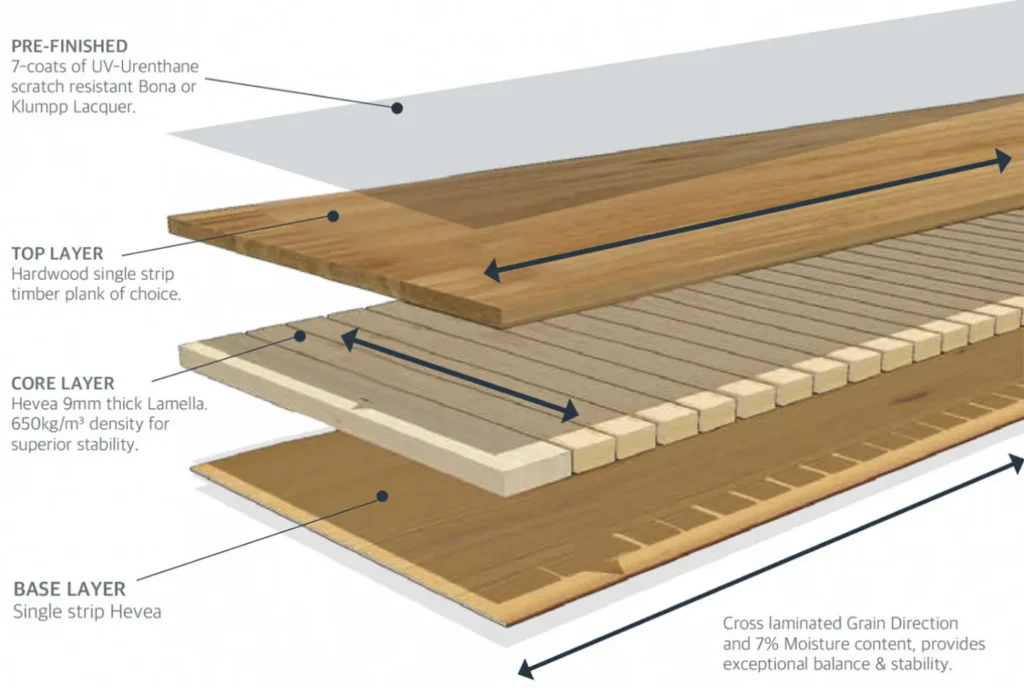
Engineered timber flooring is made using multiple layers of wood. The top layer is real hardwood, while the core layers are bonded plywood or high-density fiberboard designed for stability.
This layered construction allows engineered timber to handle humidity better than solid wood, which is why it’s commonly used in Singapore.
Key Features of Engineered Timber Flooring
Real wood surface with natural grain patterns
Warmer underfoot compared to synthetic materials
More stable than solid hardwood in humid climates
Can be refinished (depending on wear layer thickness)
Engineered timber is often chosen for living rooms and bedrooms where aesthetics and comfort matter most.
Understanding Vinyl Flooring
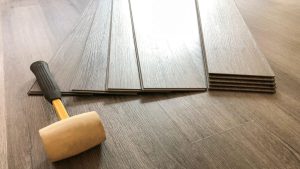
Vinyl flooring is a synthetic flooring option made primarily from PVC. Modern vinyl flooring has improved significantly, offering realistic wood and stone finishes that are hard to distinguish from natural materials.
In Singapore, vinyl flooring is especially popular due to its durability and low maintenance requirements.
Key Features of Vinyl Flooring
100% water-resistant
Highly scratch and stain resistant
Easy to maintain and clean
More affordable than engineered timber
Suitable for high-traffic and wet areas
Vinyl flooring is commonly used in kitchens, rental units, offices, and family homes with pets or kids.
Engineered Timber vs Vinyl Flooring: A Detailed Comparison
1. Appearance and Aesthetic Appeal
Engineered timber offers the authentic look and feel of real wood. Each plank has unique grain patterns, giving your space a premium and natural character that vinyl cannot fully replicate.
Vinyl flooring, however, has come a long way. High-quality vinyl planks now mimic timber textures very convincingly, making it a practical alternative for those who want the wood look without the cost or upkeep.
Winner: Engineered timber (for authenticity)
2. Durability and Longevity
Vinyl flooring is extremely durable and designed to withstand heavy foot traffic, spills, and scratches. It performs well in households with children, pets, or frequent guests.
Engineered timber is durable too, but it requires more care. Scratches, dents, and moisture exposure can affect its lifespan if not properly managed.
Winner: Vinyl flooring (for daily wear and tear)
3. Water and Moisture Resistance
This is a crucial factor in Singapore’s humid climate.
Vinyl flooring is completely water-resistant, making it ideal for kitchens, bathrooms, and even commercial spaces.
Engineered timber is moisture-resistant but not waterproof. Prolonged exposure to water can still cause damage over time.
Winner: Vinyl flooring
4. Comfort and Feel Underfoot
Engineered timber feels warmer and more natural underfoot, especially when walking barefoot. It also offers better acoustic comfort, reducing echo in rooms.
Vinyl flooring tends to feel cooler and slightly firmer, although underlay options can improve comfort.
Winner: Engineered timber
5. Maintenance and Upkeep
Vinyl flooring is low-maintenance. Regular sweeping and occasional mopping are enough to keep it looking new.
Engineered timber requires more attention. You’ll need to avoid excess moisture, use suitable cleaning products, and protect it from scratches.
Winner: Vinyl flooring
6. Installation Process
Vinyl flooring installation is generally quicker and less disruptive. Many vinyl systems use click-lock mechanisms that don’t require adhesives.
Engineered timber installation can be more complex, especially if glue-down methods are used. Professional installation is strongly recommended.
Winner: Vinyl flooring (ease of installation)
7. Cost Comparison
Vinyl flooring is typically more budget-friendly, both in material and installation costs.
Engineered timber costs more due to the real wood layer and higher installation requirements, but it also adds a more premium feel to the space.
Winner: Vinyl flooring (for affordability)
Which Flooring Is Best for Different Spaces?
Best Choice for Living Rooms
Engineered timber, due to its warmth and natural appearance.
Best Choice for Bedrooms
Engineered timber for comfort, or vinyl if budget and durability are priorities.
Best Choice for Kitchens
Vinyl flooring, thanks to its water resistance.
Best Choice for Rental Properties
Vinyl flooring, due to durability and lower replacement costs.
Best Choice for Offices
Vinyl flooring, especially for high foot traffic areas.
Engineered Timber vs Vinyl Flooring: Final Verdict
There is no one-size-fits-all answer.
Choose engineered timber flooring if:
You value natural aesthetics and comfort
The space is dry and low-traffic
You’re investing in a long-term home
Choose vinyl flooring if:
You want durability and water resistance
Maintenance needs to be minimal
Budget and practicality are key priorities
The right choice depends on how you live, not just how your floor looks on day one.
A Practical Tip Before You Decide
Many homeowners focus only on material, but installation quality matters just as much. Even the best flooring can fail if installed incorrectly, especially in Singapore’s climate.
This is where working with experienced flooring specialists makes a real difference.
Homeowners often consult professionals like THL Flooring to understand which flooring suits their lifestyle, budget, and space layout—before making a final decision.
Similar Articles
Contact Us
Got a question? We’re here to help. Drop us an email and we’ll get back to you as soon as we can.