
Expert Guide: How to Properly Clean and Maintain Your Vinyl Flooring
Introduction: Unlock the Longevity of Your Vinyl Floors
Vinyl flooring has become one of the most popular flooring choices in Singapore homes and commercial spaces. Its durability, water resistance, affordability, and stylish designs make it ideal for HDB flats, condominiums, offices, and retail areas. However, despite its resilience, vinyl flooring still requires proper care to maintain its appearance and lifespan.
With Singapore’s humid climate, daily foot traffic, and occasional spills, knowing how to take care of vinyl flooring correctly can make a significant difference. This guide covers everything you need to know — from daily cleaning routines to long-term protection tips — to keep your vinyl floors looking their best for years.
Understanding Your Vinyl Flooring: The Foundation of Proper Care
What Is Vinyl Flooring? (A Quick Overview)
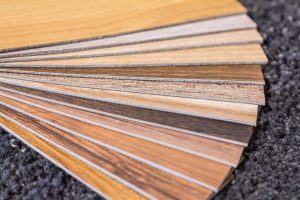
Vinyl flooring is a synthetic flooring material made up of multiple layers, including a backing layer, a printed design layer, and a protective wear layer. This layered structure gives vinyl its water resistance and durability while allowing it to mimic materials like wood or stone.
Common vinyl flooring types include:
Vinyl sheets
Luxury vinyl planks (LVP)
Vinyl tiles
Each type benefits from similar care practices but may vary slightly in cleaning requirements.
The Critical Role of the Wear Layer
The wear layer is the top protective coating of vinyl flooring. It shields the floor from scratches, stains, and general wear. Maintaining this layer is essential, as damage to it can cause dullness, discoloration, and reduced lifespan.
Thicker wear layers generally offer better durability, especially in high-traffic areas.
Understanding Potential Threats to Vinyl Flooring
Vinyl flooring can be damaged by:
Grit and dirt acting like sandpaper
Excessive moisture
Harsh chemicals
Furniture dragging
Direct heat or sunlight
Knowing these threats helps you prevent damage before it occurs.
Essential Daily & Weekly Cleaning Routines
The Golden Rule: Consistent Dry Dirt Removal
Loose dirt and dust are the biggest contributors to vinyl floor wear. Daily or frequent dry cleaning prevents surface scratches and dullness.
Best practices include:
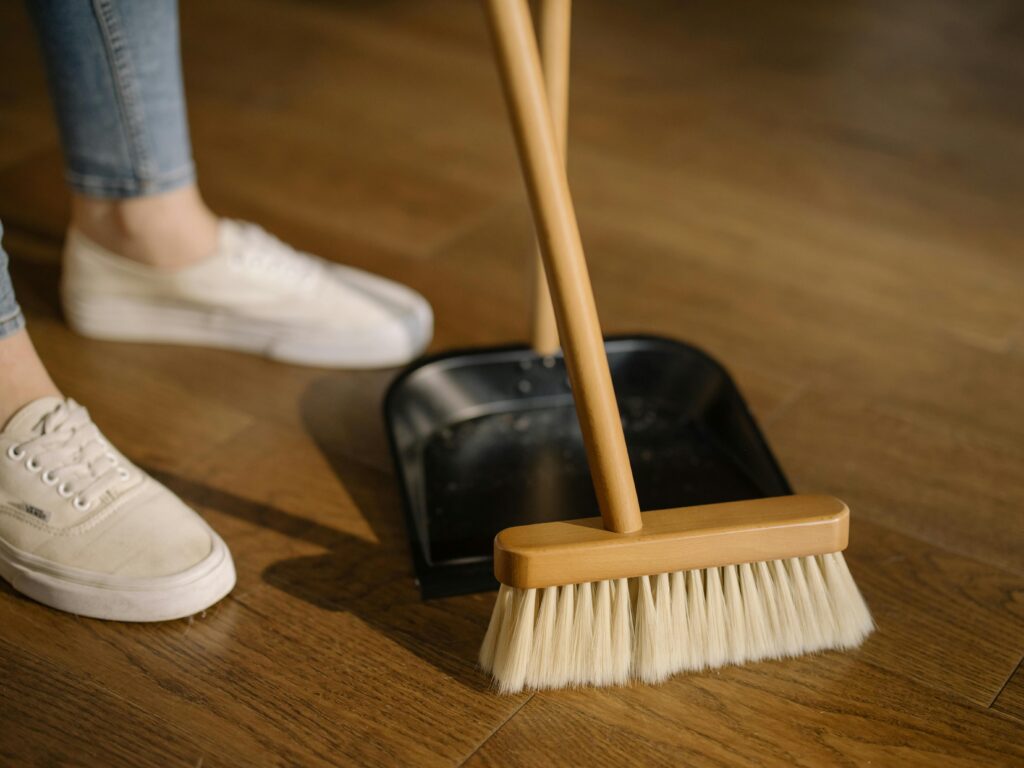
Sweeping with a soft-bristle broom
Using a microfiber dust mop
Vacuuming with a hard floor setting (no beater bar)
Pay attention to corners, edges, and entrances where debris tends to accumulate.
Gentle Wet Cleaning for a Pristine Finish
Weekly or bi-weekly mopping keeps vinyl floors clean and fresh.
How to mop vinyl flooring safely:
Use a damp (not wet) mop
Mix warm water with a mild, vinyl-safe cleaner
Wring out excess water before mopping
Allow the floor to air dry or wipe dry with a clean mop
Avoid flooding the floor, as excessive moisture can seep into seams and affect adhesives.
Tackling Spills and Stubborn Stains
Immediate Spill Cleanup: Your First Line of Defense
While vinyl flooring is water-resistant, spills should never be left unattended.
When a spill occurs:
Blot immediately using a soft cloth or paper towel
Avoid scrubbing aggressively
Dry the area thoroughly
Prompt action prevents staining and moisture damage.
Expert Strategies for Stubborn Stains
For tougher stains:
Use a vinyl floor cleaner recommended by the manufacturer
For food or grease stains, a small amount of mild dish soap diluted in water may help
Gently rub with a soft cloth or sponge
Avoid abrasive pads, steel wool, or harsh scrubbing tools.
Deep Cleaning Your Vinyl Floors
When a Deep Clean Is Necessary
Deep cleaning may be required when:
Floors look dull despite regular cleaning
There is built-up grime
The area experiences heavy foot traffic
Deep cleaning helps restore cleanliness without damaging the wear layer.
The Deep Cleaning Process
A safe deep cleaning routine includes:
Dry sweeping or vacuuming
Mopping with a diluted vinyl floor cleaner
Gently agitating stubborn areas with a soft brush
Removing residue with clean water (damp mop)
Drying the floor completely
Always follow manufacturer guidelines where available.
What to Avoid During Deep Cleaning
Avoid:
Steam mops
Ammonia or bleach
Vinegar or acidic solutions
Excessive water
These can weaken adhesives, dull finishes, or permanently damage vinyl.
Long-Term Maintenance & Proactive Protection
Preventative Measures: Protecting Your Investment
Simple preventative habits go a long way:
Place doormats at entrances to trap dirt
Use felt pads under furniture legs
Lift furniture instead of dragging
Adopt a no-shoes policy indoors
These steps reduce scratches and surface wear.
Managing Environmental Factors
Singapore’s climate can impact vinyl flooring.
Helpful tips:
Use curtains or blinds to limit direct sunlight
Maintain indoor humidity levels
Wipe moisture near bathrooms and kitchens promptly
Controlling environmental exposure helps prevent warping and fading.
Addressing Minor Damage Early
Minor scratches or dull areas should be addressed early. Vinyl repair kits or professional floor maintenance services can often resolve small issues before they worsen.
What to Avoid: Common Vinyl Flooring Mistakes
Harsh Chemicals & Abrasives
Avoid bleach, ammonia, powdered cleaners, or strong solvents.
Excessive Water and Standing Moisture
Never soak vinyl flooring or leave water standing.
Aggressive Cleaning Tools
Skip scouring pads, stiff brushes, and steam cleaners.
Unnecessary Waxing and Polishing
Most vinyl floors do not require waxing and can become slippery or damaged if coated.
Direct Heat
Avoid hot appliances or heat sources directly on vinyl flooring.
When to Call the Professionals
When DIY Care Is Sufficient
Regular cleaning, spill management, and light maintenance can be handled at home.
Signs You May Need Professional Help
Persistent stains
Deep scratches
Lifting or bubbling
Loss of overall finish
Professional floor cleaning or restoration can extend the life of your vinyl flooring significantly.
Conclusion: Preserve Your Vinyl Flooring for the Long Term
Vinyl flooring is durable, stylish, and practical — but only when properly maintained. By following consistent cleaning routines, avoiding harmful practices, and taking preventative measures, you can protect your vinyl floors from damage and keep them looking great for years.
A small daily effort makes a big difference in preserving both appearance and performance.
Similar Articles


Contact Us
Got a question? We’re here to help. Drop us an email and we’ll get back to you as soon as we can.