Why Many Homeowners Switch to Vinyl
Introduction: Tiles are “classic” — but vinyl is winning in real homes
If you’re renovating in Singapore, you’ve probably asked this exact question:
“Why change to vinyl flooring instead of tiles?”
Tiles are durable and familiar, but modern vinyl (LVT/LVP/SPC) has improved a lot—better finishes, more realistic designs, and faster installs with less disruption. The best choice depends on budget, lifestyle, cleaning habits, and where the floor is going (living room vs kitchen vs bathroom).
Here are the most practical reasons homeowners switch to vinyl, plus the honest situations where tiles still make more sense.
1) Vinyl is usually cheaper overall (material + labour)
One big reason people switch: total cost.
In Singapore, Qanvast cites typical material pricing of ~$4–$8/sq ft for vinyl vs ~$5–$35/sq ft for tiles, and installation costs around ~$1–$4/sq ft for vinyl vs ~$4–$6/sq ft for tiles.
Even before hacking costs, that gap can be significant—especially for whole-home flooring.
2) Faster installation, less mess, less downtime
Tile work is “wet work” and it’s messy: mortar, grouting, cutting, and drying/curing time.
Vinyl is generally faster and cleaner to install (especially click systems or well-prepped overlays). Mannington (a flooring manufacturer) highlights vinyl as faster/easier with less installation mess and no wait time to use the floor.
Real-life benefit: fewer days of disruption, less dust, and you can move furniture back sooner.
3) No grout lines = easier cleaning
This is the day-to-day reason people love vinyl.
Tiles themselves are easy to mop, but grout lines trap dirt, darken over time, and need brushing/cleaning. Qanvast specifically points out grout as an extra maintenance point for tiles.
Vinyl (especially in plank formats) gives a more continuous look and less “deep cleaning” stress.
4) Warmer, quieter, more comfortable underfoot
Tiles feel hard and cold. Vinyl is more “forgiving” underfoot—especially in bedrooms and living rooms.
If you’re the type who:
walks barefoot at home,
has kids crawling,
or you work from home and stand a lot,
…vinyl usually feels nicer day-to-day.
5) Vinyl can be installed as an overlay (sometimes) to avoid hacking
Hacking tiles is loud, messy, and adds disposal cost.
Some installations can be done over existing flooring (overlay) if the base is sound and properly prepared. A Singapore flooring article from The Floor Gallery mentions overlay as a way to reduce hacking costs, and also notes a commonly discussed point for new BTOs: avoiding hacking bathroom tiles early to protect waterproofing.
Important: overlay is not “always can.” The base must be level, stable, and dry—otherwise you’ll get hollow spots, gaps, or premature failure.
6) Design versatility has caught up (wood-look, stone-look, herringbone)
Old-school vinyl looked… old-school.
Modern vinyl can convincingly mimic:
oak / walnut wood grain
concrete / stone
herringbone patterns
“tile-look” designs without the grout-heavy appearance
So you get the style without the tile maintenance.
7) Better impact resistance for everyday accidents
Tiles are tough, but they can chip or crack if something heavy drops (pot, dumbbell, tools).
Many homeowners prefer vinyl because it’s more resilient to impact in real-life usage—especially in family homes.
When tiles are still the better choice
Vinyl isn’t “better for everything.” Here’s when tiles often win:
1) High heat + heavy cooking environments
Qanvast notes tiles are more heat/moisture resistant, while vinyl can be susceptible to warping under high heat/moisture—especially if not installed properly.
If you do intense cooking daily (oil + heat + frequent washing), tiles may be the safer long-term pick for kitchen floors.
2) You want the hardest-wearing surface
Porcelain/homogeneous tiles are extremely durable and can outlast many flooring types in high-traffic environments.
3) VOC / indoor air quality concerns
Qanvast also flags that tiles generally don’t emit VOCs, while vinyl can contribute due to PVC—though low-VOC options exist.
If someone at home is sensitive (asthma/respiratory concerns), this is worth discussing with your contractor and choosing certified low-emission materials.
The “best of both” approach many Singapore homes use
A practical combo that works well:
Living room + bedrooms: vinyl (comfort, quieter, cleaner look)
Kitchen + bathrooms: tiles (heat/wet performance)
It gives you comfort where you want it, and durability where you need it.
Final thoughts: should you switch?
Change to vinyl flooring instead of tiles if you want:
lower total cost
faster renovation with less mess
easier cleaning (less grout maintenance)
warmer, quieter floors for daily living
Choose tiles if:
you cook heavily and need heat resistance
you want maximum hardness/durability
VOC concerns are a priority
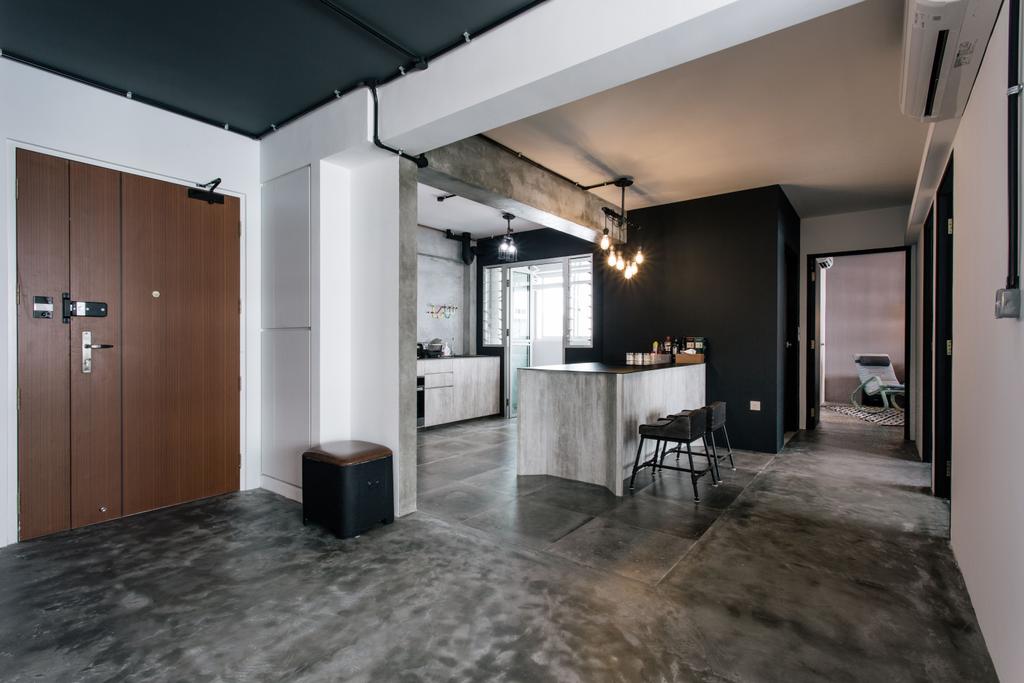
If you love minimalist or industrial design, cement screed is a modern option.
Pros:
Seamless look
Contemporary aesthetic
Works well in open layouts
Cons:
Requires sealing
Can crack if not properly applied
Engineered Wood Flooring: Natural Warmth
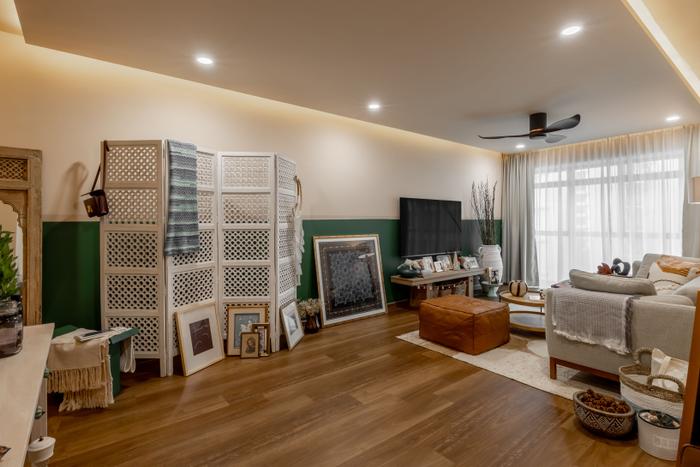


Engineered wood gives you the beauty of real wood with better stability than solid hardwood.
Best for:
Living rooms
Master bedrooms
It adds warmth and resale value but requires more care compared to vinyl.
Room-by-Room Guide: HDB Flooring Renovation Ideas
Living Room: Make a Stylish First Impression
Popular choices:
Wood-look vinyl for warmth
Large format tiles for modern luxury
Engineered wood for premium feel
Tip: Light oak tones make small HDB flats feel bigger.
Bedrooms: Comfort & Coziness
Best options:
Vinyl planks
Laminate flooring
Warm wood tones enhance relaxation and comfort.
Kitchen: Durable & Easy to Clean
Recommended:
Porcelain tiles
Waterproof vinyl
Avoid laminate in kitchens due to moisture exposure.
Bathroom: Safety First
Must-have features:
Slip-resistant tiles
Water resistance
Proper waterproofing
Choose matte finishes to reduce slipperiness.
Balcony & Service Yard
Use:
Outdoor-rated tiles
Anti-slip finishes
Ensure drainage slopes are maintained.
Smart Strategies to Maximise Budget & Style
DIY vs Professional Installation
DIY may save money, but improper installation leads to:
Uneven surfaces
Water damage
Shorter lifespan
Professional installation ensures proper subfloor preparation.
Strategic Material Combinations
Smart idea:
Tiles in kitchen & bathroom
Vinyl in living & bedrooms
This balances cost and practicality.
Long-Term Value Matters
Don’t just look at installation price.
Consider:
Maintenance cost
Replacement cost
Lifespan
Cheaper now may cost more later.
Maintenance & Longevity
Daily Care Tips
Vinyl:
Sweep daily
Avoid harsh chemicals
Tiles:
Clean grout regularly
Laminate:
Avoid excess water
Common HDB Flooring Issues
Hollow tiles
Cracked grout
Vinyl lifting
Water seepage
Early repair prevents costly replacement.
Conclusion: Your Dream HDB Floor Is Within Reach
HDB flooring renovation doesn’t have to be expensive to look amazing.
Whether you choose:
Vinyl for practicality
Tiles for durability
Laminate for budget
Engineered wood for elegance
The key is matching your lifestyle, budget, and design vision.
At thelnflooring.com, we specialise in helping Singapore homeowners choose the best flooring solutions for their HDB flats.
If you’re planning your HDB flooring renovation, contact us today for professional advice and a tailored quotation.
Your perfect floor starts with the right decision.