
Vinyl Flooring vs Laminate Flooring Singapore: Which Is Better for Your Home?
Choosing the right flooring is one of the most important decisions when renovating a home in Singapore. Among the many flooring options available today, vinyl flooring and laminate flooring are two of the most popular choices for HDB flats, condos, and landed properties.
Both flooring types are known for their affordability, attractive designs, and relatively easy installation. However, they differ significantly in areas such as water resistance, durability, comfort, and long-term performance.
For homeowners planning a renovation, understanding the differences between vinyl and laminate flooring can help you make the right choice based on your lifestyle, home environment, and budget.
This guide compares vinyl flooring vs laminate flooring in Singapore and explains which option may work best for different types of homes.
Understanding Vinyl Flooring
What is Vinyl Flooring?
Vinyl flooring is a synthetic flooring material made primarily from PVC (polyvinyl chloride) and other stabilising compounds. Modern vinyl flooring is manufactured in multiple layers, including a protective wear layer, design layer, core layer, and backing layer.
Because it is made from synthetic materials, vinyl flooring is highly resistant to moisture and humidity, which makes it suitable for Singapore’s tropical climate.
Types of Vinyl Flooring Used in Singapore Homes
There are several common types of vinyl flooring used in residential spaces.
Luxury Vinyl Tiles (LVT)
LVT flooring mimics the appearance of natural materials like wood, stone, or marble. It is flexible and offers a wide range of design styles.
SPC Vinyl Flooring
SPC stands for Stone Plastic Composite. It features a rigid core that improves stability and durability. SPC flooring is currently one of the most popular flooring choices for HDB and condo renovations.
Vinyl Plank Flooring
Vinyl planks resemble traditional hardwood flooring but offer greater resistance to moisture and easier maintenance.
Key Advantages of Vinyl Flooring
Vinyl flooring offers several benefits that make it a practical option for many homes.
Highly water resistant and suitable for humid climates
Comfortable and slightly cushioned underfoot
Wide variety of designs and finishes
Easy to maintain and clean
Suitable for living rooms, bedrooms, and kitchens
Because of these advantages, many homeowners in Singapore choose vinyl flooring for modern home renovations.
Potential Drawbacks of Vinyl Flooring
Although vinyl flooring has many benefits, there are a few limitations.
Softer surface compared to laminate
May dent under very heavy furniture
Lower-quality vinyl products may wear faster
Choosing high-quality vinyl flooring and proper installation helps reduce these issues.
Understanding Laminate Flooring
What is Laminate Flooring?
Laminate flooring is a multi-layer flooring product made using high-density fiberboard (HDF) as its core material. The top layer contains a photographic design layer that replicates wood or stone textures, followed by a protective wear layer.
Laminate flooring is known for its hard surface and strong scratch resistance.
Key Advantages of Laminate Flooring
Laminate flooring has several features that make it attractive to homeowners.
Hard surface that resists scratches
Realistic wood appearance
Relatively affordable compared to hardwood flooring
Good durability for dry areas
For homeowners who prefer a natural wood appearance, laminate flooring can be an appealing option.
Potential Drawbacks of Laminate Flooring
Despite its durability, laminate flooring has some limitations.
Less resistant to water compared to vinyl flooring
May swell when exposed to moisture
Harder surface and less comfortable underfoot
Because laminate flooring contains wood fibers in its core layer, it can be affected by humidity or water exposure.
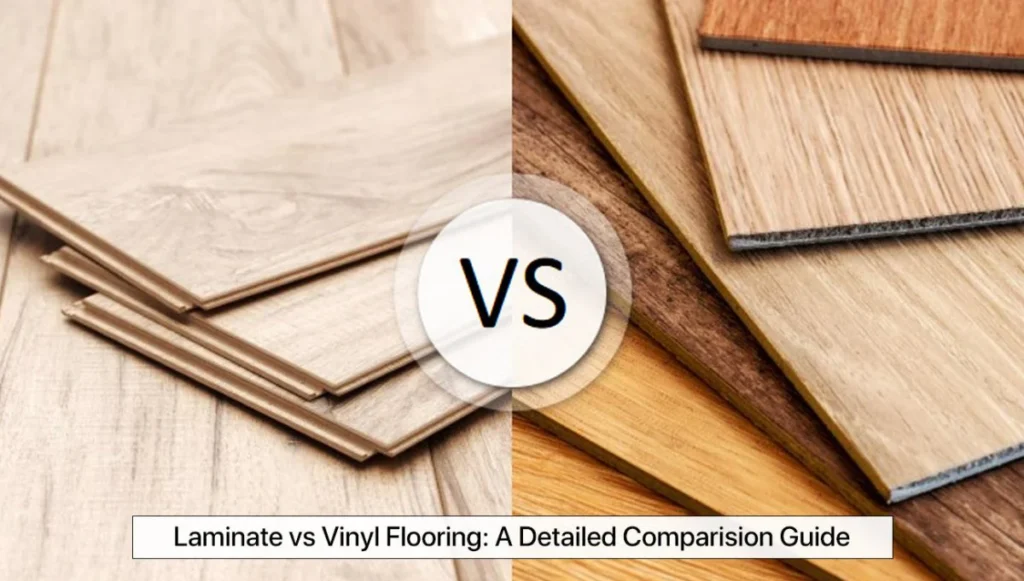
Vinyl vs Laminate Flooring: Head-to-Head Comparison
When comparing vinyl flooring vs laminate flooring in Singapore homes, several important factors should be considered.
Water Resistance in Singapore’s Humid Climate
Water resistance is one of the biggest differences between these two flooring options.
Vinyl flooring is generally waterproof or highly water resistant, making it suitable for humid environments and areas where spills may occur.
Laminate flooring, on the other hand, contains fiberboard in its core. If water penetrates the seams, the material may swell or warp.
For homes in Singapore where humidity is high, vinyl flooring often performs better over time.
Durability and Scratch Resistance
Laminate flooring is known for having a harder surface, which can provide good resistance against scratches from furniture or foot traffic.
Vinyl flooring is slightly softer but still durable, especially when using SPC vinyl flooring with a strong wear layer.
For homes with pets or children, both materials can perform well when good quality products are used.
Design and Appearance
Both vinyl and laminate flooring come in a wide range of designs that mimic natural materials.
Laminate flooring is traditionally known for its realistic wood texture, while modern vinyl flooring technology has significantly improved design quality.
Today, many luxury vinyl flooring products can replicate wood grain patterns very convincingly.
Comfort Underfoot
Vinyl flooring generally feels softer and quieter underfoot compared to laminate flooring.
Laminate floors tend to feel harder and may produce a hollow sound when walked on if there is insufficient underlayment.
For homeowners who prioritise comfort and noise reduction, vinyl flooring may be the preferred option.
Installation Process
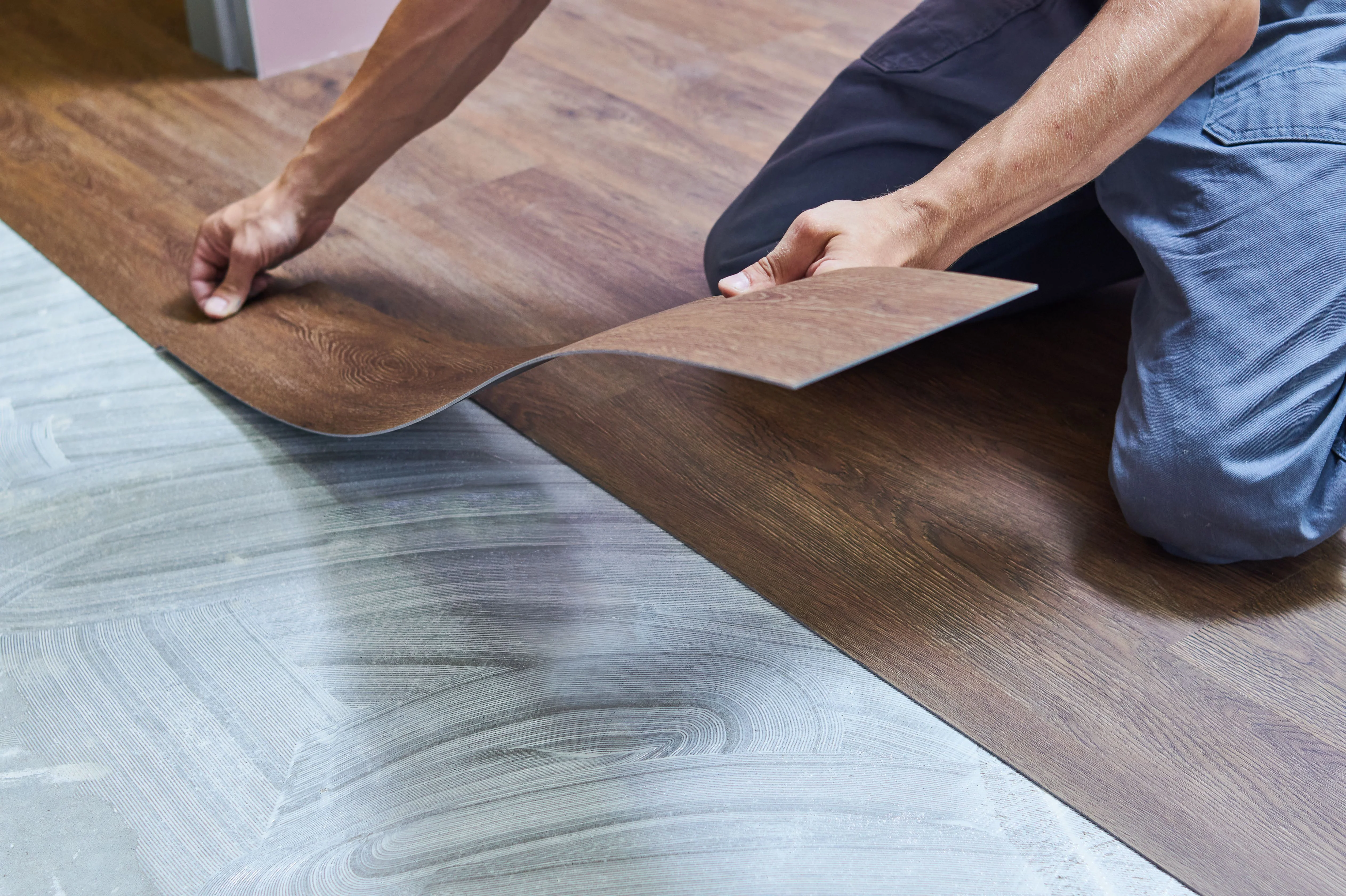
Both vinyl and laminate flooring typically use click-lock installation systems, which allow planks to interlock without adhesives.
However, vinyl flooring is generally easier to install over different types of subfloors, including existing tiles.
Laminate flooring often requires a very level subfloor to prevent gaps or movement.
Maintenance Requirements
Both flooring options are relatively easy to maintain.
Laminate floors should not be exposed to excessive water during cleaning, while vinyl flooring can tolerate damp mopping more easily.
Routine maintenance for both includes sweeping, vacuuming, and occasional mopping.
Cost Comparison
In Singapore, both vinyl and laminate flooring are considered affordable alternatives to natural hardwood or marble flooring.
Typical price ranges may vary depending on product quality and installation.
Vinyl flooring: approximately $3 to $7 per square foot installed
Laminate flooring: approximately $3 to $8 per square foot installed
While laminate may sometimes appear slightly cheaper, vinyl flooring often provides better long-term value due to its water resistance.
Singapore-Specific Considerations When Choosing Flooring
Singapore’s Climate
Singapore’s hot and humid climate can affect certain flooring materials. Floors that absorb moisture may expand or warp over time.
Because vinyl flooring is made from synthetic materials and is highly water resistant, it tends to perform better in humid environments.
HDB and Condo Homes
Many homeowners in Singapore live in HDB flats or condominiums where durability, noise reduction, and easy maintenance are important.
Vinyl flooring is often recommended for these homes because it provides better sound absorption and comfort underfoot.
Lifestyle Considerations
Your lifestyle can also influence the best flooring choice.
Vinyl flooring may be ideal for:
families with children
homes with pets
kitchens and high-traffic areas
humid environments
Laminate flooring may be suitable for:
dry living areas
homeowners who prefer harder flooring surfaces
budget-focused renovations
Homeowners comparing flooring options can also explore the different styles and solutions available at LN Flooring to better understand how vinyl flooring performs in modern Singapore homes.
Tips Before Choosing Vinyl or Laminate Flooring
Before deciding on a flooring type, homeowners should consider a few practical factors.
Evaluate Product Quality
Not all flooring products are the same. Higher-quality vinyl flooring with thicker wear layers tends to last longer and perform better.
Ask About Installation
Professional installation plays a major role in the durability of any flooring. Poor installation can lead to gaps, lifting, or uneven surfaces.
Visit a Showroom
Seeing and touching flooring samples in person helps homeowners understand the texture, colour, and quality of different materials.
Plan Your Budget Carefully
Flooring costs may include more than just materials. Installation, floor preparation, and skirting may also affect the final renovation budget.
Final Verdict: Vinyl or Laminate Flooring for Singapore Homes?
Both vinyl and laminate flooring offer attractive and affordable solutions for modern homes. However, when considering Singapore’s humid climate and everyday living conditions, vinyl flooring often provides better long-term performance.
Vinyl flooring’s strong water resistance, comfortable feel underfoot, and design versatility make it a popular choice for HDB flats and condominiums.
Laminate flooring still has its place, especially for homeowners who prefer a harder surface and wood-like appearance. Ultimately, the right choice depends on your lifestyle, home environment, and renovation goals.
By understanding the differences between vinyl flooring and laminate flooring, homeowners can make a more informed decision and choose the flooring that best suits their space.
Similar Articles

Contact Us
Got a question? We’re here to help. Drop us an email and we’ll get back to you as soon as we can.