Tile vs Vinyl: A Practical Comparison for Your Flooring Decision
Introduction to Flooring Options
When comparing flooring types for your home, one of the most common debates is tile vs vinyl flooring—two of Singapore’s most frequently chosen flooring options. Both vinyl flooring and ceramic tiles have evolved significantly over the years, offering homeowners modern designs, better durability, and more choices than ever. Understanding the key differences between vinyl flooring, ceramic tiles, and porcelain tiles helps you make a smart, long-term flooring decision.
Today, many homeowners explore reliable suppliers like LNFLOORING for high-quality vinyl flooring, luxury vinyl flooring, vinyl tiles, vinyl planks, and luxury vinyl planks, especially due to their proven vinyl flooring affordability. Meanwhile, others still prefer the long-established durability of tile flooring—including ceramic tiles, porcelain tiles, and even homogenous tiles.
Both categories offer unique strengths:
Ceramic tiles and porcelain tiles are known for being incredibly durable, long-lasting, and highly resistant to impact, scratches, and heat.
Vinyl flooring, whether sheet vinyl, vinyl plank flooring, luxury vinyl tiles, or vinyl tile flooring, is loved for its water resistance, comfort, easy installation, and softer underfoot feel.
To choose the right flooring, it’s essential to understand material composition, installation process, installation costs, material costs, ongoing maintenance requirements, and suitability for moisture-prone areas.
Material Composition and Costs
Vinyl Flooring Composition
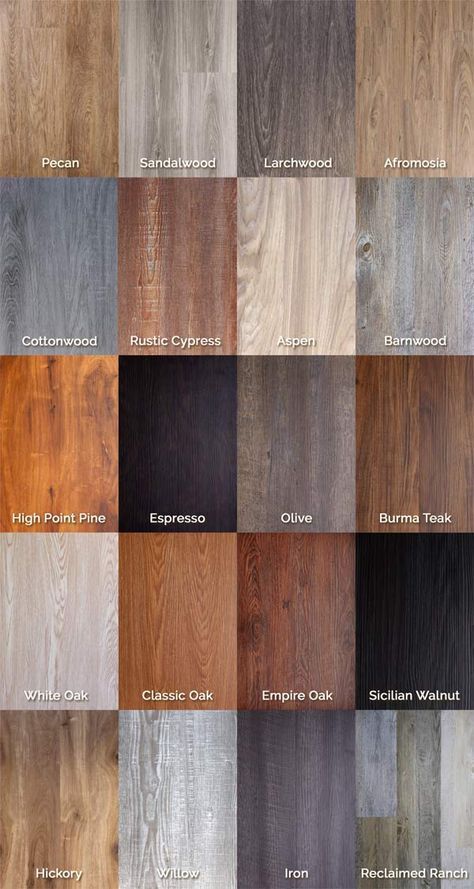
Vinyl flooring is made from synthetic materials, primarily polyvinyl chloride (PVC). Most types—including sheet vinyl flooring, luxury vinyl tiles, vinyl tiles, and vinyl planks—contain a printed design layer that mimics natural materials like:
natural wood
hardwood flooring
natural stone
This makes it a highly versatile flooring option for homeowners who want premium aesthetics without premium pricing. Luxury vinyl, luxury vinyl planks, and luxury vinyl tiles are especially popular today for their ability to resemble high-end materials closely while staying affordable.
Tile Flooring Composition
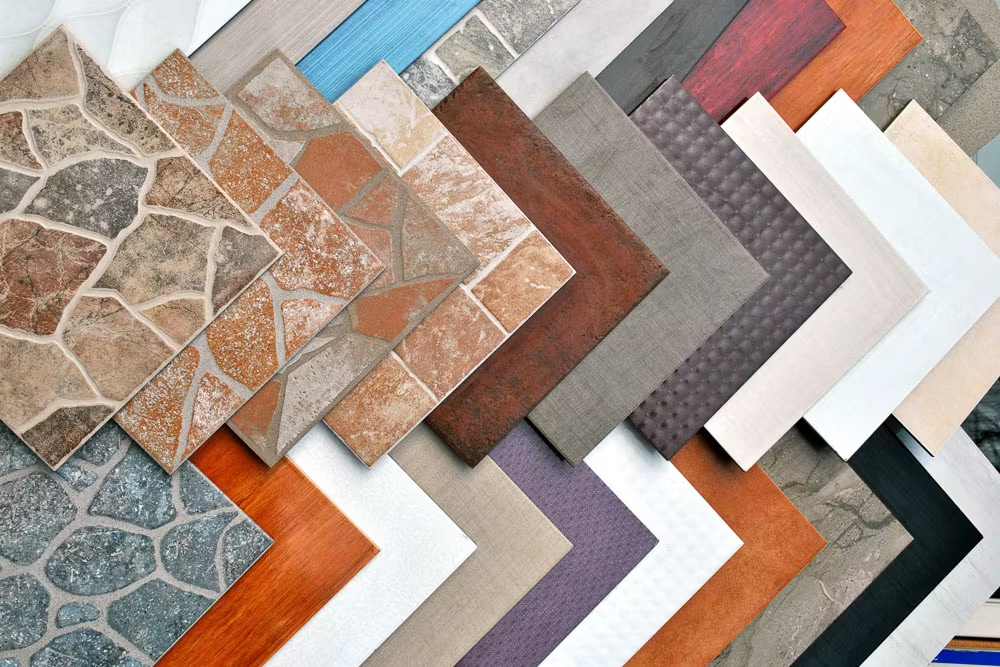
Ceramic tiles, porcelain tiles, and porcelain and ceramic tiles mixtures are made from natural earth clays or natural earth clays mixed with other materials. Porcelain tiles undergo a higher firing temperature, making them:
Tile flooring is also available in various forms, including tiny mosaic tiles, large-format tiles, and homogenous tiles, catering to diverse design preferences.
Material Costs
Vinyl flooring affordability remains one of its strongest advantages:
Vinyl flooring: $2 to $10 per square foot
Sheet vinyl / vinyl sheets: also within this range
Luxury vinyl flooring: slightly higher depending on thickness
On the other hand:
Many homeowners choose LNFLOORING when they want premium vinyl designs at lower square foot rates compared to high-end tiles.
Installation Process
Vinyl Flooring Installation
One of the biggest differences between tile vs vinyl is the installation process.
Installation vinyl flooring options—whether vinyl plank flooring, vinyl tiles, vinyl tile flooring, or sheet vinyl—are extremely user-friendly. Features like:
make them ideal for DIY projects or fast professional installation.
This ease of installation is another reason many renovators choose LNFLOORING vinyl flooring products.
Tile Installation
Ceramic tile installation and porcelain tile installation are more complex. These processes require:
Installing tiny mosaic tiles takes even more precision.
As a result, the installation process is slower, more technical, and rarely suitable for DIY homeowners.
Installation Costs
Because vinyl is easier to install, installation costs are significantly lower:
Tile flooring is more labor-intensive:
Budget-conscious homeowners frequently choose vinyl flooring, vinyl planks, or luxury vinyl from LNFLOORING to reduce both material costs and installation costs.
Flooring Characteristics
Vinyl Flooring Characteristics
Vinyl flooring is loved for being:
Products like vinyl sheets and sheet vinyl flooring also minimize seams, reducing water seepage and making cleaning easier.
Tile Flooring Characteristics
Ceramic tiles and porcelain tiles are the definition of a durable material, offering:
extremely durable, incredibly durable performance
strong heat resistance
excellent water and heat resistance
long life expectancy
ability to handle heavy furniture
With tiles, proper maintenance includes regular cleaning and periodic sealing, especially when grout lines are exposed.
Design and Style Options
Vinyl Design Options
Thanks to advanced printing, luxury vinyl flooring, luxury vinyl planks, and luxury vinyl tiles can replicate the realistic appearance of:
natural stone
natural wood
hardwood flooring
This makes vinyl one of the most aesthetic and versatile flooring types, especially in homes pursuing modern interior themes. Many customers prefer LNFLOORING because of its premium style selection and high-quality printed layers.
Tile Design Options
Tiles provide classic beauty that is difficult to replicate. With ceramic tiles, porcelain tiles, and tiny mosaic tiles, homeowners get:
detailed patterns
textured surfaces
natural variations
timeless appeal
Tile flooring is often chosen in areas where homeowners want an elegant, long-lasting finish.
Budgeting and Cost Considerations
When planning your renovation, it’s important to consider:
Vinyl Flooring Budget
Vinyl flooring is more affordable upfront. However, even though it is water resistant, it may not last as long as porcelain and ceramic tiles.
Tile Flooring Budget
Tiles can cost more initially but offer better longevity. Porcelain tiles, especially, are designed to last decades.
Your final cost will depend on whether you select:
vinyl tiles
vinyl planks
sheet vinyl
ceramic tiles
porcelain tiles
Decision-Making and the Right Flooring Choice
Choosing the right flooring depends on lifestyle, usage, and budget.
Choose Vinyl If You Want:
low maintenance flooring
a comfortable softer underfoot feel
water resistant and suitable for kitchens
easy installation or DIY options
better vinyl flooring affordability
modern styles from suppliers like LNFLOORING
Choose Tiles If You Want:
a more incredibly durable, long-lasting finish
superior heat resistance
a premium, elegant, timeless look
better performance under extreme heat
flooring suitable for resale value
In short:
Vinyl is best for affordability, comfort, and easy installation.
Tiles are best for strength, longevity, and high-performance flooring.