
The Ultimate Guide to Understanding Types of Vinyl Flooring in Singapore
Introduction to Vinyl Flooring
You probably already noticed this, Vinyl flooring is a popular choice for residential and commercial spaces in Singapore due to its durability, water resistance, and easy maintenance.
Vinyl flooring in Singapore is especially valued for its versatility, affordability, and the wide variety of styles available, making it suitable for the local climate and diverse interior needs.
Vinyl flooring is made from polyvinyl chloride (PVC) and is available in various types of vinyl floor, including sheet vinyl, vinyl tiles, and vinyl planks.
With its aesthetic appeal and low maintenance requirements, vinyl flooring is an ideal choice for homes, offices, and commercial spaces. For the best results, especially in complex or high-traffic areas, professional installation is recommended to ensure proper fitting and long-lasting performance.
Types of Vinyl Flooring
There are many vinyl flooring types, including luxury vinyl tile (LVT), luxury vinyl planks (LVP), and sheet vinyl.
Each type of vinyl flooring has its own unique features and benefits, making it suitable for different applications.
LVT vinyl flooring, also known as luxury vinyl tiles, offers a thicker wear layer, enhanced durability, and the ability to mimic natural materials like stone or wood, making it ideal for high-traffic areas or homes with pets and children.
Vinyl plank and vinyl plank flooring are popular for their realistic wood appearance, waterproof features, and easy installation, making them a great choice for areas prone to moisture such as bathrooms.
Vinyl sheets are available in large formats, providing a seamless look and practical solution for both residential and commercial spaces.
Understanding the different vinyl flooring types is essential to choose the right one for your space.
Luxury Vinyl Options
Luxury vinyl tile (LVT) and luxury vinyl planks (LVP) are high-end vinyl flooring options that offer realistic designs and superior durability, with many luxury vinyl options featuring a thicker wear layer for enhanced protection.
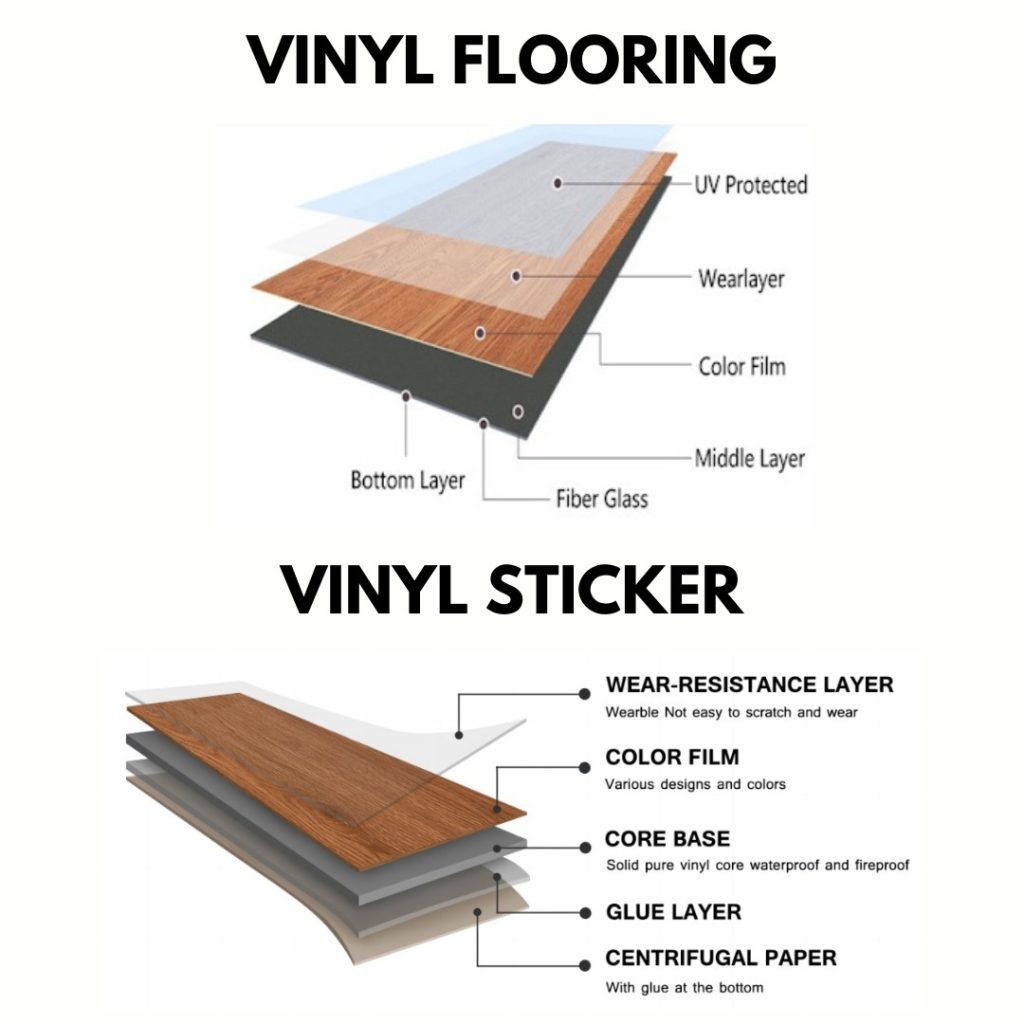
They are made with multiple layers, including a wear layer, a vinyl core, and a protective layer, making them highly scratch resistant and resistant to fading.
LVT and LVP are ideal for heavy foot traffic areas, such as commercial spaces and high-traffic residential areas.
They are also completely waterproof, making them perfect for areas prone to moisture, such as laundry rooms and hospital rooms.
Alternative Flooring Options
Vinyl flooring is often compared to other flooring options, such as laminate flooring, hardwood flooring, real wood flooring, and ceramic tiles.
While these options have their own advantages, vinyl flooring stands out for its water resistance, ease of maintenance, and aesthetic appeal, especially when compared to real wood, which can be more expensive and less resistant to moisture.
Vinyl flooring is also a budget-friendly option, making it an attractive choice for homeowners and commercial owners who might otherwise consider a stone floor for spaces like dining rooms or lounges.
Additionally, vinyl flooring is slip resistant and captures the natural beauty of wood and stone, making it a smart choice for areas with heavy foot traffic.
Vinyl Flooring Materials
Vinyl flooring is made from polyvinyl chloride (PVC), a durable and versatile material. Some types, such as stone plastic composite (SPC) vinyl flooring, use a mixture of PVC and ground limestone for added rigidity and environmental benefits.
The quality of vinyl flooring depends on the type of materials used, with higher quality materials offering superior durability and performance.
Vinyl flooring can be made with natural materials, such as stone and wood, to create realistic designs, and natural tones are a popular choice for achieving a modern and elegant aesthetic.
The wear layer of vinyl flooring is also an important factor, with a thicker wear layer offering better resistance to scratches and fading, improving overall durability.
Installation Methods
There are two main installation methods for vinyl flooring: the glued down method and the floating floor method. Many types of vinyl flooring, such as sheet vinyl and luxury vinyl tile (LVT), are known for their easy installation and easy installation process, making them popular among homeowners looking for a convenient and DIY-friendly option.
The glued down method involves applying adhesive to the subfloor. This is also referred to as the ‘glue down’ installation method, which creates a permanent and stable surface that is ideal for high-traffic areas and offers better moisture resistance. The floating floor method involves installing the vinyl flooring over an underlayment. Peel and stick vinyl is another DIY-friendly option that offers a quick and hassle-free installation process, especially suitable for renters or temporary renovations.
The choice of installation method depends on the type of vinyl flooring and the condition of the subfloor. Vinyl flooring is also flexible enough to be installed over uneven surfaces, which makes it more forgiving than rigid flooring materials.
Some installation methods, such as peel and stick vinyl and floating floors, do not require professional help, making them ideal for DIY projects. However, for more complex installations or high-traffic areas, professional installation is recommended to ensure a flawless finish and long-term durability.
Special Features
Vinyl flooring offers several special features, including being a low maintenance floor option with slip resistance, water resistance, and easy maintenance.
Some vinyl flooring options also come with additional features, such as antimicrobial properties and sound insulation.
Vinyl flooring is also comfortable underfoot, making it an ideal choice for areas with heavy foot traffic.
With its endless design possibilities, vinyl flooring can be used to create a unique and stylish space.
Choosing the Right Vinyl Flooring
When you choose vinyl flooring, it’s important to consider several factors, including the type of space, foot traffic, and personal preference.
It’s essential to consider the different types of vinyl flooring, including LVT, LVP, and sheet vinyl, to choose the right one for your space.
The wear layer, material quality, and installation method are also important factors to consider.
Additionally, it’s crucial to choose a vinyl flooring that is water resistant, slip resistant, and easy to maintain.
Vinyl Flooring Designs
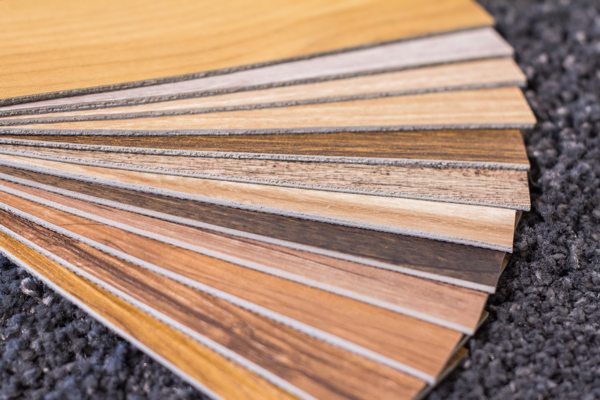
Vinyl flooring comes in a wide range of designs, including natural wood, stone, and ceramic tiles.
The designs are realistic and stylish, making vinyl flooring a popular choice for homeowners and commercial owners. Vinyl flooring is especially popular in living rooms due to its design versatility and durability, enhancing both the brightness and modern look of these high-traffic spaces.
Vinyl flooring can be used to create a unique and stylish space, with endless design possibilities.
From modern to traditional, vinyl flooring designs can suit any style or decor.
Vinyl Flooring Cost
The cost of vinyl flooring varies depending on the type, quality, and installation method.
On average, vinyl flooring can cost between $3 to $6.50 per square foot, making it a budget-friendly option.
The cost of vinyl flooring is also affected by the wear layer, material quality, and installation method.
While the upfront cost may be higher for some premium vinyl flooring options due to a higher upfront cost, they offer long-term value and durability.
Comparison to Other Materials
When choosing the right flooring for residential and commercial spaces, it’s important to weigh the benefits of vinyl flooring against other popular materials. Vinyl floors have become a top choice thanks to their unique blend of durability, aesthetic appeal, and practicality.
Compared to traditional hardwood floors, vinyl flooring offers similar visual appeal with realistic wood designs, but without the hefty price tag or the need for extensive maintenance. Unlike hardwood, vinyl floors are water resistant and less prone to scratches or marks, making them ideal for high traffic areas and spaces exposed to moisture.
When stacked against ceramic tiles and natural stone, vinyl flooring stands out for its comfortable underfoot feel and ease of installation. Vinyl floors are also less likely to crack or chip, and their low maintenance requirements make them a smart choice for busy commercial spaces and homes alike.
Laminate flooring is another common alternative, but vinyl flooring surpasses it in terms of water resistance and versatility. Vinyl floors can be installed in areas where laminate might not be suitable, such as laundry rooms or bathrooms, due to their moisture-resistant properties.
Overall, vinyl flooring provides a cost-effective, stylish, and highly durable solution for both residential and commercial spaces. Its wide range of design options and easy upkeep make it a flooring choice that delivers long-term value and aesthetic appeal for any environment.
Maintenance and Upkeep
Vinyl flooring is easy to maintain and upkeep, making it an ideal choice for busy homeowners and commercial owners.
Regular cleaning and maintenance can help extend the lifespan of vinyl flooring.
Vinyl flooring is also resistant to scratches and fading, making it a durable and long-lasting option.
With proper maintenance, vinyl flooring can last for many years, providing a beautiful and stylish space.
When moving heavy furniture, be cautious to avoid denting or scratching the vinyl flooring. Use furniture pads or lift items instead of dragging them to help protect your floors.
Similar Articles
Contact Us
Got a question? We’re here to help. Drop us an email and we’ll get back to you as soon as we can.