
Engineered Timber vs Vinyl Flooring in Singapore: A Detailed Homeowner’s Guide (2025)
Flooring is often one of the biggest transformation elements in a home renovation. It affects how your home looks, feels, sounds and even ages over time. In Singapore — where humidity, renovation timelines and budgets are major concerns — choosing the right flooring is not simply a design decision, but a lifestyle choice.
Two materials are compared most often by homeowners: engineered timber flooring and vinyl flooring. While both offer a “wood look”, they are very different in terms of performance, cost, installation, and long-term expectations.
This comprehensive guide breaks down everything you need to know — including realistic pricing in Singapore, suitability by room type, maintenance expectations, design impact, resale considerations, and recommendations based on lifestyle types.
What is Engineered Timber Flooring?
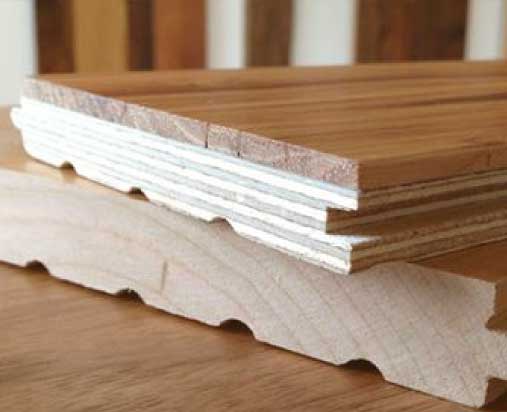
Engineered timber is a wood flooring product made up of multiple compressed layers of wood, bonded to form a stable core, with a real hardwood veneer top layer. This hardwood surface is the same material used in solid wood flooring — which is why engineered timber carries a premium, natural look.
Because engineered timber is constructed with layered materials, it is more stable than solid wood and less prone to dramatic expansion or contraction. This makes it a more practical wood flooring choice for Singapore’s climate — although it is still considered a “wood product” and therefore sensitive to moisture.
Engineered timber is common in:
Private condominiums with a luxury aesthetic
Bedrooms and master suites
Landed homes designed with light wood Scandinavian or Japandi interiors
High-end renovations aiming for long-term aesthetic value
Pricing in Singapore
Most engineered timber will sit in the price range of:
S$15 – S$25 per square foot (supply + install)
Higher-end European or American oak planks may exceed this, especially wider boards or custom oil-finished products.
What Makes It Appealing?
Real wood feel and warmth
Adds sophistication and high-end visual character
Can sometimes be refinished (depending on veneer thickness)
Changes the entire mood of a room — often described as “hotel-like” or “boutique-home” finish
What is Vinyl Flooring?
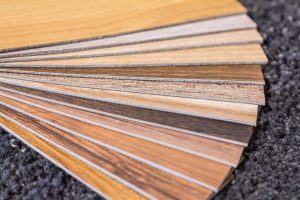
Vinyl flooring is a synthetic PVC-based product made to imitate wood, stone or tile surfaces. Modern vinyl plank flooring (sometimes marketed as LVP — luxury vinyl plank, or LVT — luxury vinyl tile) has become extremely realistic due to digital printing and textured surface embossing.
In Singapore, vinyl flooring is now one of the most commonly installed surfaces because of:
Waterproof performance
Quick installation
Ability to overlay existing tiles
Affordable cost
Vinyl is found in:
BTO flats
Resale HDBs where hacking is avoided
Rental units (low maintenance)
Kitchens, corridors and children’s rooms
Commercial spaces with high traffic
Pricing in Singapore
Typical vinyl supply + install costs:
S$6 – S$13 per square foot
Ranges vary due to thickness, brand, click-system installation vs glue-down, and whether leveling is required.
Why Is Vinyl So Popular?
Waterproof — safe against spills, wet mopping, and humid weather
Fast installation — often 1–2 days for an entire flat
Wide style choices — from Scandinavian ash tones to walnut and oak patterns
Soft underfoot feel — comfortable for long-standing and children play areas
Very low upkeep — no polishing or resealing required
How Do They Compare? (Real Singapore Context)
1. Durability and Moisture Behaviour
Humidity is the biggest factor in Singapore homes.
Engineered timber, although more stable than solid wood, still responds to moisture. An extended water spill, wet mopping, balcony leakage or pet accident can damage it.
Vinyl, on the other hand, is 100% waterproof and can withstand:
Wet bathrooms (just outside)
Balcony sliding door areas
Young children spilling water
Frequent mopping
Cooking oils or kitchen splashes
For homes where lifestyle is unpredictable, vinyl is more forgiving.
2. Installation Complexity and Timeline
Engineered timber installation:
Requires a levelled base
Involves glue-down or click systems
Generates more dust & renovation time
Is sensitive to humidity curing
Often takes longer and costs more labour
Vinyl installation:
Can overlay existing tiles without hacking
Minimal dust and renovation disruption
Ideal for owners needing fast key collection → move in
Easy for rental unit refreshes
Many first-time homeowners eventually choose vinyl because they cannot delay renovation just for flooring.
3. Maintenance and Long-Term Living
Engineered timber requires:
Careful upkeep
Avoidance of excess water
Use of furniture pads
Refinishing every few years (if veneer allows)
Vinyl requires:
Sweeping and mopping
Basic cleaning
Occasional replacement only after years of wear
Engineered timber is an aesthetic asset; vinyl is a lifestyle convenience.
4. Comfort and Sensory Experience
Engineered timber has:
Warmth and depth
A tactile, “living” surface that ages gracefully
Variations in grain that give character
Vinyl offers:
Softer, cushioned steps depending on underlay
Good acoustic dampening
Consistent, smooth appearance
If you value the emotional appeal of natural material — engineered timber wins.
If you value silent, soft and practical — vinyl wins.
5. Interior Design Impact
Engineered timber:
Works well for Japandi, Scandinavian, luxury contemporary designs
Changes the mood of a room dramatically
Often used as a statement feature
Vinyl:
Offers more style flexibility
Can switch between themes at low cost
Ideal when homeowners are unsure of long-term aesthetic commitment
6. Resale Value and Perception
Engineered timber can increase perceived value among buyers in premium neighbourhoods or condominiums.
Vinyl generally does not increase resale price, but improves rental attractiveness, especially when the flooring looks new and modern.
For investment properties — vinyl is strategic.
For forever homes — engineered timber may be worthwhile.
Which Flooring Should You Choose?
To decide, consider the following questions:
How long will you live in this property?
Do you have young children, pets, or frequent spills?
Do you need a fast renovation timeline?
Do you value natural wood and a premium interior experience?
Are you planning to eventually rent it out?
Choose Engineered Timber if:
You want luxury, warmth and timeless design
You are renovating a master bedroom or private suite
You view the home emotionally — not only as a budget project
Choose Vinyl if:
Life is busy and maintenance is not your priority
You want waterproof flooring that survives daily use
You want best value per dollar of renovation budget
You might renovate again or plan to rent out later
Many homeowners today choose a hybrid approach — vinyl for all common areas, and engineered timber only in selected rooms where comfort and warmth matter.
Final Summary Table
| Category | Engineered Timber | Vinyl Flooring |
|---|---|---|
| Core Material | Layered wood + hardwood veneer | PVC synthetic |
| Water Resistance | Low | High (waterproof) |
| Cost in Singapore | S$15 – S$25 psf installed | S$6 – S$13 psf installed |
| Maintenance | Medium–High | Low |
| Resale Value | Higher for premium homes | Neutral |
| Installation Time | Slow, more complex | Fast (overlay possible) |
| Best Fit For | Luxury homes, long-term owners | Families, rentals, busy lifestyles |
Final Thoughts
Flooring is a long-term decision. It influences everything — from renovation cost and daily comfort to how confident you feel hosting guests.
Engineered timber is emotional — it changes how a home feels.
Vinyl is practical — it makes life simpler.
The “best” choice depends on who you are, where you are in life, and how you want your home to function.
Similar Articles
Contact Us
Got a question? We’re here to help. Drop us an email and we’ll get back to you as soon as we can.