
Author name: boss

computer, buy, money, banknotes, save money, jacks, expensive, cheap, laptop, portable, desk, keyboard, cheap, cheap, cheap, cheap, cheap
Blogs

Affordable vinyl flooring in singapore guide

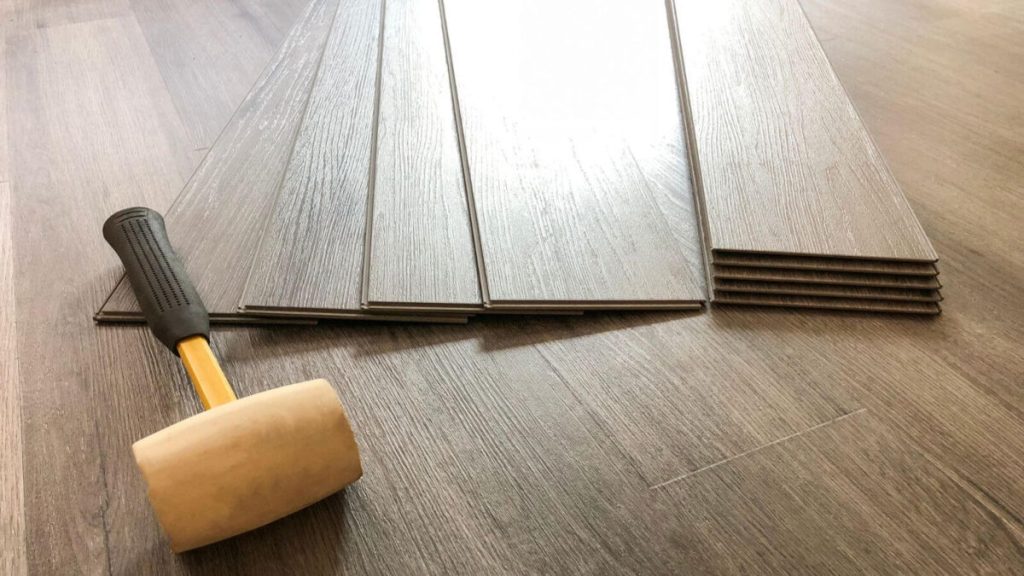
Affordable Vinyl Flooring in Singapore: Your Ultimate Buying Guide    Introduction: Unlocking Value with Affordable Vinyl Flooring in Singapore   The Quest for Budget-Friendly Yet Quality Home Upgrades Whether you’re updating a single room or doing a full home renovation, finding the perfect flooring that matches both your budget and aesthetic is crucial. Vinyl flooring offers the perfect balance of affordability and quality, making it an ideal choice for Singaporeans looking for an upgrade without breaking the bank. Why Vinyl Flooring Stands Out as a Smart Choice for Singaporean Homes Vinyl flooring isn’t just budget-friendly; it’s a long-term investment that brings a host of benefits. With its vast array of styles, durability, and ease of maintenance, vinyl flooring is perfect for both residential and commercial spaces in Singapore.   Why Affordable Vinyl Flooring is the Smart Choice for Your Singaporean Home Renovation   Cost-Effectiveness Without Compromising on Style or Function Vinyl flooring provides an affordable alternative to high-end materials like hardwood, marble, or stone. It offers the same luxurious look without the hefty price tag, making it an attractive option for homeowners in Singapore looking to upgrade their living spaces on a budget. Exceptional Durability for High-Traffic Singaporean Households Whether you’re in a busy HDB flat or a private home, durability is key. Vinyl flooring is highly resistant to wear and tear, making it ideal for high-traffic areas like living rooms, kitchens, and corridors. Plus, it handles Singapore’s humidity and fluctuating temperatures with ease. Superior Waterproof Capabilities: Essential for Singapore’s Climate In a tropical climate like Singapore’s, waterproof flooring is a must-have. Vinyl flooring is not only water-resistant but also highly durable against spills and moisture, making it perfect for areas like kitchens, bathrooms, and even outdoor spaces. Ease of Maintenance: A Blessing for Busy Lifestyles Say goodbye to endless cleaning and repairs! Vinyl flooring is easy to clean and maintain. Regular sweeping and occasional mopping will keep your floors looking great for years, making it ideal for busy Singaporean families. Versatile Design Options on a Budget Vinyl floors come in a wide variety of designs, from realistic wood and stone effects to bold colors and patterns. You can achieve the luxurious look of wood or tile without the high cost or maintenance requirements, all while staying within your budget.   Decoding “Affordable” Vinyl Flooring: What to Expect in Singapore Differentiating “Affordable” from “Cheap”: Value vs. Low Quality   Affordable vinyl flooring offers the best of both worlds—value and quality. It’s essential to differentiate between cheap flooring that may wear out quickly and affordable options that deliver long-lasting durability and style. Understanding the Cost Factors: Material, Thickness, Type, and Brand   The cost of vinyl flooring can vary based on factors such as the material used, thickness, type (e.g., LVT or SPC), and brand. Understanding these aspects helps in making an informed decision while staying within your budget. Typical Price Ranges for Different Affordable Vinyl Options in Singapore Affordable vinyl flooring typically ranges from $2 to $5 per square foot, depending on the material and style. Premium options like luxury vinyl tiles (LVT) may cost more, but still provide excellent value compared to traditional hardwood or stone flooring. Hidden Costs to Watch Out For   Be aware of additional costs that may arise during installation, such as subfloor preparation or professional installation fees. It’s important to factor these costs into your overall budget for the flooring project.   Exploring Affordable Vinyl Flooring Types for Your Singaporean Home    Vinyl Sheet Flooring: The Most Budget-Friendly Option for Large Areas   Vinyl sheet flooring is the most affordable option when covering large spaces. It’s easy to install and offers excellent waterproof capabilities, making it perfect for kitchens and bathrooms in Singaporean homes. Comparing Types: Best Fit for Different Rooms and Budgets   Each type of vinyl flooring—sheet, tile, or plank—has its own set of advantages. For example, vinyl plank is great for high-traffic areas, while vinyl tile offers flexibility in design. Consider the specific needs of each room when choosing the best option for your home and budget.   Key Factors for Choosing High-Quality, Affordable Vinyl    Wear Layer Thickness: Your Shield Against Scratches and Dents   The wear layer is crucial for protecting your floors from damage. Thicker wear layers generally offer better protection, ensuring your vinyl flooring stays beautiful and functional for years. Core Material and Construction: Impact on Stability and Waterproofing   The core material—such as SPC (Stone Plastic Composite) or WPC (Wood Plastic Composite)—affects both the stability and waterproofing capabilities of your vinyl flooring. Choose a core material that fits your home’s needs. Warranty: A Promise of Longevity   Look for vinyl flooring products that offer a solid warranty. A good warranty ensures that the product will last for many years and provides peace of mind against any potential issues. Customer Reviews and Testimonials: Real-World Insights   Customer reviews are a valuable source of information when choosing a vinyl flooring supplier. Look for feedback from other Singaporean homeowners to gauge the quality and durability of the product before making your purchase.   Design and Aesthetics: Elevating Your Home on a Budget    Achieving a Luxury Look Without the Luxury Price Tag   Vinyl flooring can give your home the sophisticated look of luxury materials like hardwood or marble at a fraction of the cost. With a wide range of styles available, you can achieve a high-end appearance without exceeding your budget. Complementing Singaporean Interior Design Trends   Vinyl flooring comes in a variety of finishes and textures, making it easy to complement Singaporean interior design trends. Whether you prefer a sleek, modern aesthetic or a more rustic, traditional look, vinyl flooring offers endless possibilities.   Installation Guidance: Maximizing Value for Your Affordable Vinyl    When to Opt for Professional Installation Services   For a flawless finish, consider hiring professional installers. A certified installer ensures that your vinyl flooring is installed correctly, preventing potential issues down the line. Essential Subfloor Preparation for a Flawless Finish   Proper subfloor
Blogs

Vinyl flooring vs ceramic tiles

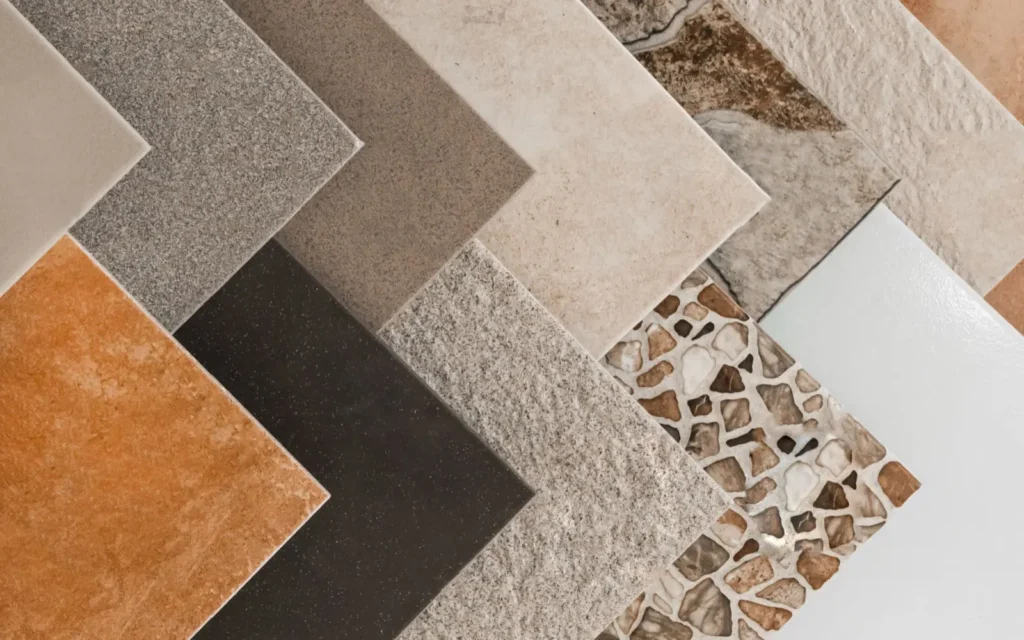
Vinyl Flooring vs. Ceramic Tiles: Top Advantages for Singapore Homes Introduction: Navigating Flooring Choices for the Singaporean Home When it comes to choosing the right flooring for your Singapore home, vinyl flooring and ceramic tiles are two popular contenders. Each option offers unique benefits depending on your needs, whether you’re aiming for durability, aesthetics, or budget-friendliness. This blog post will help you understand why vinyl flooring is becoming a preferred choice in many Singaporean homes, especially when compared to ceramic tiles. The Perennial Dilemma: Balancing Aesthetics, Practicality, and Budget The flooring choice for your home is not just about looks—practicality and cost-effectiveness play vital roles too. Singapore’s tropical climate, with its high humidity and frequent rainfall, requires flooring solutions that can withstand the local environment while providing comfort and durability. The ongoing battle between traditional ceramic tiles and modern vinyl flooring revolves around these crucial factors. Why Your Flooring Choice Matters in Singapore’s Unique Climate Singapore’s high humidity, frequent rain, and warm temperatures put flooring materials to the test. Your flooring choice should be able to cope with the moisture and temperature fluctuations typical in this region. While ceramic tiles have long been a staple, vinyl flooring offers key advantages, especially for homes in tropical climates. What This Guide Will Cover: A Focused Look at Advantages for Local Homeowners We’ll dive deep into why vinyl flooring could be the better choice for your Singaporean home, highlighting its advantages in durability, maintenance, cost, and more. Understanding the Contenders: Vinyl Flooring and Ceramic Tiles Vinyl Flooring: The Resilient Modern Choice Vinyl flooring is made from synthetic materials like PVC, which provide a softer and more flexible feel compared to ceramic tiles. Its ability to replicate the appearance of natural wood or stone adds an aesthetic appeal, while its cushioned surface is more comfortable to walk on. Ceramic Tiles: The Classic and Enduring Option Ceramic tiles are made from clay and are baked at high temperatures to form a durable surface. While they are known for their robustness and ability to withstand heat, they can feel cold and hard underfoot, which might not be ideal for comfort in Singapore’s hot and humid climate. Performance Face-Off: Key Advantages in a Singaporean Context Durability and Lifespan: Withstanding the Demands of Tropical Living Both vinyl flooring and ceramic tiles are durable, but vinyl tends to resist cracks and chips better than ceramic, which can be prone to breakage if something heavy is dropped on it. Vinyl is designed to handle heavy foot traffic, making it ideal for families or spaces with constant movement. Water, Moisture, and Humidity Resistance: A Crucial Factor for Singapore Homes Vinyl flooring excels in moisture resistance. Unlike ceramic tiles, which can absorb moisture over time, vinyl remains unaffected by the humidity and is perfect for Singapore’s wet conditions. This makes it ideal for areas like bathrooms, kitchens, and laundry rooms where water exposure is frequent. Aesthetic Appeal and Design Versatility: Matching Singaporean Interior Design Trends Vinyl flooring offers a wide range of design options, from natural wood and stone looks to modern abstract patterns. Its versatility allows it to seamlessly fit into various interior design styles, making it an attractive choice for contemporary homes. Installation: Process, Time, and Local Considerations Vinyl flooring is much easier and quicker to install than ceramic tiles. With click-lock installation systems or peel-and-stick options, vinyl can be set up with minimal effort and less disruption. In contrast, ceramic tiles require professional installation and more time to complete, as they need to be laid out and grouted carefully. Maintenance and Cleaning: Practicality for Busy Singaporean Households Vinyl flooring is easy to clean and maintain, requiring just regular sweeping and mopping. It is also stain-resistant, making it ideal for families with young children or pets. Ceramic tiles, while easy to clean, can require more maintenance in the form of re-grouting and occasional sealing to maintain their appearance. Comfort and Sensory Experience: How Flooring Impacts Your Home’s Feel Vinyl flooring offers a more comfortable experience underfoot, with a slight cushioning effect that ceramic tiles lack. This can make a significant difference in spaces where you stand or walk for long periods, such as living rooms, bedrooms, and kitchens. Health and Environmental Considerations: Making Conscious Choices for Singaporean Families Vinyl flooring is more likely to contain harmful chemicals like PVC and phthalates, though many modern vinyl options are phthalate-free. Ceramic tiles are non-toxic and made from natural materials, which may appeal to homeowners focused on sustainability and indoor air quality. Cost Analysis: Beyond the Sticker Price – A Singaporean Investment Perspective Initial Purchase and Installation Costs: What to Expect in Singapore Vinyl flooring is generally more affordable than ceramic tiles. In Singapore, vinyl flooring typically costs between $4 to $8 per square foot, while ceramic tiles can range from $5 to $35 per square foot. The overall cost for vinyl includes easier installation, which can further reduce labor expenses. Long-Term Value and Total Cost of Ownership While ceramic tiles have a longer lifespan, vinyl flooring is still a strong investment due to its cost-effectiveness and low maintenance. Vinyl is also better suited for renovation projects, as it can be installed over existing floors without requiring demolition. Best Fit for Your Singapore Home: Tailored Recommendations For HDB Flats: Balancing Budget, Aesthetics, and Practicality with Space Constraints Vinyl flooring is an excellent choice for HDB flats where space is often limited. It offers a balance between affordability, ease of installation, and durability. The wide range of styles also allows homeowners to create a stylish look without breaking the bank. For Condominiums: Modern Designs, Noise Reduction, and Easy Maintenance for Vertical Living For condos, vinyl flooring offers modern aesthetics while helping to reduce noise between units. It’s also a practical choice for busy professionals who need flooring that’s easy to maintain while offering a stylish appearance. For Landed Houses: Durability, Luxury Aesthetic, and Suitability for High-Traffic Areas and Larger Spaces Landed houses benefit from the durability and aesthetic flexibility of vinyl flooring. Whether

Blogs

Laminate vs vinyl flooring singapore

Laminate vs. Vinyl Flooring Singapore: Which Is Best for Your Home?    Introduction: Navigating Your Flooring Choices in Singapore Choosing flooring in Singapore is not just about design — it’s about humidity, comfort, durability, and long-term value. Two of the most commonly compared options are laminate flooring and vinyl flooring. Both offer wood-like aesthetics at a more affordable price than parquet or marble, but they perform very differently in Singapore’s tropical climate. This guide breaks down laminate vs. vinyl flooring in Singapore, using real-world considerations such as moisture resistance, maintenance, cost, and suitability for HDBs, condos, and landed homes.   The Common Dilemma for Singapore Homeowners Many homeowners ask: Which flooring handles Singapore’s humidity better? Which is more durable for kids and pets? Which flooring is more cost-effective long term? Is laminate really cheaper, or does vinyl last longer? If you’re renovating an HDB, condo, or resale flat, this comparison will help you decide confidently.   What This Guide Will Cover What laminate and vinyl flooring are made of Key differences that matter in Singapore Costs, durability, and maintenance comparison HDB and condo considerations When laminate makes sense When vinyl is the better choice   Understanding the Contenders: What Are Laminate and Vinyl Flooring? Laminate Flooring: The Affordability and Style Champion Laminate flooring is made from compressed wood fibres (HDF) topped with a photographic layer and a hard protective coating. Key characteristics: Realistic wood and stone designs Hard surface with good scratch resistance Click-lock installation Budget-friendly upfront cost Laminate is popular for bedrooms and living rooms in dry environments.     Vinyl Flooring: The Versatile and Durable Innovator Vinyl flooring is made from synthetic materials (PVC) and comes in planks or tiles with multiple layers, including a wear layer and waterproof core. Key characteristics: Fully waterproof Softer and quieter underfoot Highly resistant to humidity Available in SPC, WPC, and LVT formats Vinyl has become one of the most popular flooring choices in modern Singapore homes.     Head-to-Head Comparison: Key Factors for Singapore Homes Water Resistance & Humidity Performance This is the biggest difference. Vinyl flooring: 100% waterproof, unaffected by spills, humidity, or leaks Laminate flooring: Water-resistant at best, but can swell or warp if moisture penetrates Winner: Vinyl flooringFor Singapore’s climate, waterproofing matters more than most homeowners expect. Durability & Scratch Resistance Laminate has a harder surface, making it more scratch-resistant Vinyl is slightly softer but has strong wear layers in higher-quality products For normal household use: Laminate resists scratches better Vinyl resists moisture damage better Winner: Tie (depends on household lifestyle) Aesthetics, Styles, and Design Options Both flooring types offer: Wood-grain designs Stone and concrete looks Modern colour options Laminate often looks slightly more realistic up close, while vinyl has improved significantly with modern printing technology. Winner: Tie Comfort and Sound Insulation Vinyl is softer, warmer, and quieter Laminate can feel harder and sound hollow without underlay For families with kids or elderly: Vinyl is more forgiving underfoot Winner: Vinyl flooring Installation Process and Subfloor Requirements Both use click-lock systems, but: Vinyl tolerates minor unevenness better Laminate requires a flatter, drier subfloor In resale homes with imperfect floors, vinyl is easier to install properly. Maintenance and Cleaning Vinyl: Sweep and mop freely Laminate: Avoid excessive water when mopping Mistakes in cleaning laminate can shorten its lifespan. Winner: Vinyl flooring Cost Considerations: Initial vs. Long-Term Value Average flooring cost in Singapore (installed): Vinyl flooring: $5 – $8 per sq ft Laminate flooring: $6 – $11 per sq ft Laminate may look cheaper upfront, but vinyl often lasts longer in humid conditions. Winner: Vinyl for long-term value Environmental Impact and Health Considerations Laminate uses wood by-products Vinyl is synthetic and may emit VOCs (low-VOC products recommended) Choose reputable brands with proper certifications.   Deep Dive into Vinyl Flooring Types for Singapore Homes   Luxury Vinyl Tile (LVT) & Luxury Vinyl Plank (LVP) Flexible Comfortable Ideal for bedrooms and living areas Stone Plastic Composite (SPC) Flooring Rigid core Highly stable Popular in HDBs and condos Best balance of durability and affordability. Wood Plastic Composite (WPC) Flooring Thicker and softer Better sound absorption Slightly higher cost   Addressing Singapore-Specific Challenges & Regulations HDB Regulations and Flooring Choices Wet areas require waterproof flooring Heavy tiles may need approval Vinyl is often preferred for HDB upgrades Condo and Landed Property Considerations Noise control is important Vinyl reduces sound transmission better than laminate Managing Singapore’s High Humidity Humidity is the silent flooring killer. Vinyl handles it far better than laminate. Slip Resistance and Safety Vinyl flooring options often come with slip-resistant finishes, making them safer for families.   When to Choose Laminate Flooring in Singapore Laminate makes sense if: Your home is dry and well-ventilated Budget is tight You prioritise scratch resistance Flooring is mainly for bedrooms or study rooms   When to Choose Vinyl Flooring in Singapore Vinyl is ideal if: You want waterproof flooring You have kids or pets Your home experiences humidity You want low maintenance You’re renovating an HDB or resale flat   The Installation Process in Singapore: What to Expect DIY vs. Professional Installation DIY is possible, but professional installation ensures: Proper floor levelling Correct expansion gaps Longer lifespan Preparing Your Site Good subfloor preparation prevents: Hollow sounds Uneven planks Premature wear Choosing a Local Flooring Team Look for: Singapore-based installers Transparent pricing Proper warranties Making Your Final Decision: A Checklist Ask yourself: Do I need waterproofing? Is comfort important? What’s my long-term plan? Which rooms need flooring? What’s my renovation budget?   Conclusion: The Best Floor Is the Right Floor for You There is no universal “best” flooring — only the best flooring for your lifestyle and environment. For most Singapore homes, vinyl flooring offers better performance in humidity, easier maintenance, and stronger long-term value. Laminate still has its place in dry, low-traffic spaces. Choose based on how you live, not just how it looks.   Similar Articles Contact Us Got a question? We’re here to help. Drop us an email and we’ll get back to you as

Blogs

Cost to renovate home in Singapore 2026

How Much Does It Cost to Renovate a Home in Singapore in 2026?(Realistic Budget Guide)       Introduction: Renovation Costs in Singapore Have Changed If you’re planning to renovate your home in Singapore in 2026, one of the first questions you’ll ask is simple: “How much will it really cost?” The short answer: it depends — but not in a vague way. Renovation costs in Singapore have become more predictable in recent years, even though prices have increased due to inflation, manpower shortages, and rising material costs. In 2026, most homeowners can expect renovation budgets to fall anywhere between $25,000 to over $150,000, depending on property type, scope of work, and material choices. This guide breaks down realistic renovation costs in Singapore for 2026, based on current market data, homeowner trends, and what renovators are actually charging today. What Affects Home Renovation Costs in Singapore? Before looking at numbers, it’s important to understand why renovation quotes vary so much, even for homes of similar size. 1. Property Type and Size Your home type is the biggest cost driver: HDB flats (BTO vs resale) Condominiums Landed properties Larger homes require more materials, more labour, and longer timelines — all of which increase cost. 2. Scope of Renovation Works Renovation scope generally falls into three levels: Light renovation – painting, basic flooring, minor carpentry Moderate renovation – kitchen, bathrooms, carpentry, lighting upgrades Full renovation – hacking, rewiring, plumbing, full carpentry, layout changes The wider the scope, the higher the cost. 3. Material Selection Materials can change your budget by tens of thousands. Examples: Vinyl flooring vs marble tiles Laminate carpentry vs veneer or solid wood Quartz vs natural stone countertops Premium materials raise cost but also improve durability and resale value. 4. Design Complexity & Customisation Custom carpentry, curved walls, feature ceilings, hidden storage, and designer lighting all add labour hours — which means higher cost. 5. Resale vs New Property Resale homes usually cost 20–30% more to renovate due to: Hacking old finishes Full electrical rewiring Plumbing replacement Waterproofing repairs Average Renovation Costs in Singapore (2026) HDB Renovation Costs (2026) BTO / New HDB Flats Because BTO flats come with new infrastructure, costs are lower. 3-room BTO: $25,000 – $45,000 4-room BTO: $35,000 – $55,000 5-room BTO: $48,000 – $77,000 These typically include flooring, carpentry, kitchen, bathrooms, painting, and lighting. Resale HDB Flats Resale flats require more preparatory work. 3-room resale: $48,000 – $72,000 4-room resale: $58,000 – $82,000 5-room resale: $66,000 – $95,000 Premium or designer renovations can exceed $100,000, especially with layout changes. Condominium Renovation Costs (2026) Condos have stricter MCST rules, limited working hours, and higher workmanship standards. 2-bedroom condo (new): $28,000 – $50,000 2-bedroom condo (resale): $45,000 – $75,000 3-bedroom condo (new): $40,000 – $70,000 3-bedroom condo (resale): $62,000 – $98,000 Wet works and carpentry are the biggest cost drivers. Landed Property Renovation Costs (2026) Landed homes have the widest cost range. Light renovation: $80,000 – $150,000 Moderate renovation: $150,000 – $300,000 Extensive renovation / A&A works: $300,000 – $500,000+ Structural changes, façade work, and custom carpentry push costs up quickly. Renovation Cost Breakdown by Work Category Understanding where your money goes helps you control your budget. Carpentry & Built-ins (~35–40%) Kitchen cabinets Wardrobes TV consoles Storage systems Estimated cost: $5,000 – $25,000+ Masonry & Wet Works (~20–30%) Tiling Bathroom works Kitchen wet areas Waterproofing Estimated cost: $2,500 – $21,000+ Electrical & Lighting (~10%) Rewiring Lighting points Switches Smart home systems Estimated cost: $1,000 – $16,000+ Painting & Finishes (~15–20%) Painting Plastering Surface preparation Estimated cost: $800 – $6,000+ Hacking & Disposal (~5–10%) Wall removal Tile hacking Debris disposal Estimated cost: $300 – $6,000+ How Much Should You Budget? (Practical Guide) Budget Tiers (2026) Basic renovation: $25,000 – $40,000 Moderate renovation: $45,000 – $75,000 Premium renovation: $80,000 – $120,000+ Always add a 10–20% contingency buffer for unexpected works. How to Reduce Renovation Costs Without Sacrificing Quality Limit unnecessary hacking Choose durable mid-range materials Prioritise kitchen and bathrooms Get itemised quotes Avoid last-minute design changes Good planning saves more money than bargaining. Contractor vs Interior Designer: Which Is Better? Hiring a Contractor Lower cost Faster execution Less design input Best for straightforward renovations. Hiring an Interior Designer Better layout planning Design coordination Higher cost (design fees included) Best for full-home transformations or resale properties. Renovation Loans in Singapore (2026) HDB Renovation Loan Up to $30,000 Lower interest rates Only for HDB owners Bank Renovation Loans Higher limits Faster approval Slightly higher interest Always compare total repayment, not just monthly instalments. Final Thoughts: Plan Smart, Renovate Confidently Renovating a home in Singapore in 2026 is a major investment — but with the right expectations and planning, it doesn’t have to be stressful or wasteful. Understand your scope, set a realistic budget, choose reliable professionals, and always leave room for contingencies. A well-planned renovation not only improves your daily life — it protects your property value for years to come. Similar Articles Contact Us Got a question? We’re here to help. Drop us an email and we’ll get back to you as soon as we can.

Blogs

how to properly clean and maintain your vinyl flooring

Expert Guide: How to Properly Clean and Maintain Your Vinyl Flooring Introduction: Unlock the Longevity of Your Vinyl Floors Vinyl flooring has become one of the most popular flooring choices in Singapore homes and commercial spaces. Its durability, water resistance, affordability, and stylish designs make it ideal for HDB flats, condominiums, offices, and retail areas. However, despite its resilience, vinyl flooring still requires proper care to maintain its appearance and lifespan. With Singapore’s humid climate, daily foot traffic, and occasional spills, knowing how to take care of vinyl flooring correctly can make a significant difference. This guide covers everything you need to know — from daily cleaning routines to long-term protection tips — to keep your vinyl floors looking their best for years. Understanding Your Vinyl Flooring: The Foundation of Proper Care What Is Vinyl Flooring? (A Quick Overview) Vinyl flooring is a synthetic flooring material made up of multiple layers, including a backing layer, a printed design layer, and a protective wear layer. This layered structure gives vinyl its water resistance and durability while allowing it to mimic materials like wood or stone. Common vinyl flooring types include: Vinyl sheets Luxury vinyl planks (LVP) Vinyl tiles Each type benefits from similar care practices but may vary slightly in cleaning requirements. The Critical Role of the Wear Layer The wear layer is the top protective coating of vinyl flooring. It shields the floor from scratches, stains, and general wear. Maintaining this layer is essential, as damage to it can cause dullness, discoloration, and reduced lifespan. Thicker wear layers generally offer better durability, especially in high-traffic areas. Understanding Potential Threats to Vinyl Flooring Vinyl flooring can be damaged by: Grit and dirt acting like sandpaper Excessive moisture Harsh chemicals Furniture dragging Direct heat or sunlight Knowing these threats helps you prevent damage before it occurs. Essential Daily & Weekly Cleaning Routines The Golden Rule: Consistent Dry Dirt Removal Loose dirt and dust are the biggest contributors to vinyl floor wear. Daily or frequent dry cleaning prevents surface scratches and dullness. Best practices include: Sweeping with a soft-bristle broom Using a microfiber dust mop Vacuuming with a hard floor setting (no beater bar) Pay attention to corners, edges, and entrances where debris tends to accumulate. Gentle Wet Cleaning for a Pristine Finish Weekly or bi-weekly mopping keeps vinyl floors clean and fresh. How to mop vinyl flooring safely: Use a damp (not wet) mop Mix warm water with a mild, vinyl-safe cleaner Wring out excess water before mopping Allow the floor to air dry or wipe dry with a clean mop Avoid flooding the floor, as excessive moisture can seep into seams and affect adhesives. Tackling Spills and Stubborn Stains Immediate Spill Cleanup: Your First Line of Defense While vinyl flooring is water-resistant, spills should never be left unattended. When a spill occurs: Blot immediately using a soft cloth or paper towel Avoid scrubbing aggressively Dry the area thoroughly Prompt action prevents staining and moisture damage. Expert Strategies for Stubborn Stains For tougher stains: Use a vinyl floor cleaner recommended by the manufacturer For food or grease stains, a small amount of mild dish soap diluted in water may help Gently rub with a soft cloth or sponge Avoid abrasive pads, steel wool, or harsh scrubbing tools. Deep Cleaning Your Vinyl Floors When a Deep Clean Is Necessary Deep cleaning may be required when: Floors look dull despite regular cleaning There is built-up grime The area experiences heavy foot traffic Deep cleaning helps restore cleanliness without damaging the wear layer. The Deep Cleaning Process A safe deep cleaning routine includes: Dry sweeping or vacuuming Mopping with a diluted vinyl floor cleaner Gently agitating stubborn areas with a soft brush Removing residue with clean water (damp mop) Drying the floor completely Always follow manufacturer guidelines where available. What to Avoid During Deep Cleaning Avoid: Steam mops Ammonia or bleach Vinegar or acidic solutions Excessive water These can weaken adhesives, dull finishes, or permanently damage vinyl. Long-Term Maintenance & Proactive Protection Preventative Measures: Protecting Your Investment Simple preventative habits go a long way: Place doormats at entrances to trap dirt Use felt pads under furniture legs Lift furniture instead of dragging Adopt a no-shoes policy indoors These steps reduce scratches and surface wear. Managing Environmental Factors Singapore’s climate can impact vinyl flooring. Helpful tips: Use curtains or blinds to limit direct sunlight Maintain indoor humidity levels Wipe moisture near bathrooms and kitchens promptly Controlling environmental exposure helps prevent warping and fading. Addressing Minor Damage Early Minor scratches or dull areas should be addressed early. Vinyl repair kits or professional floor maintenance services can often resolve small issues before they worsen. What to Avoid: Common Vinyl Flooring Mistakes Harsh Chemicals & Abrasives Avoid bleach, ammonia, powdered cleaners, or strong solvents. Excessive Water and Standing Moisture Never soak vinyl flooring or leave water standing. Aggressive Cleaning Tools Skip scouring pads, stiff brushes, and steam cleaners. Unnecessary Waxing and Polishing Most vinyl floors do not require waxing and can become slippery or damaged if coated. Direct Heat Avoid hot appliances or heat sources directly on vinyl flooring. When to Call the Professionals When DIY Care Is Sufficient Regular cleaning, spill management, and light maintenance can be handled at home. Signs You May Need Professional Help Persistent stains Deep scratches Lifting or bubbling Loss of overall finish Professional floor cleaning or restoration can extend the life of your vinyl flooring significantly. Conclusion: Preserve Your Vinyl Flooring for the Long Term Vinyl flooring is durable, stylish, and practical — but only when properly maintained. By following consistent cleaning routines, avoiding harmful practices, and taking preventative measures, you can protect your vinyl floors from damage and keep them looking great for years. A small daily effort makes a big difference in preserving both appearance and performance. View Detailed Price Guide Similar Articles Contact Us Got a question? We’re here to help. Drop us an email and we’ll get back to you as soon as we can.

Blogs

Vinyl Flooring Sheets

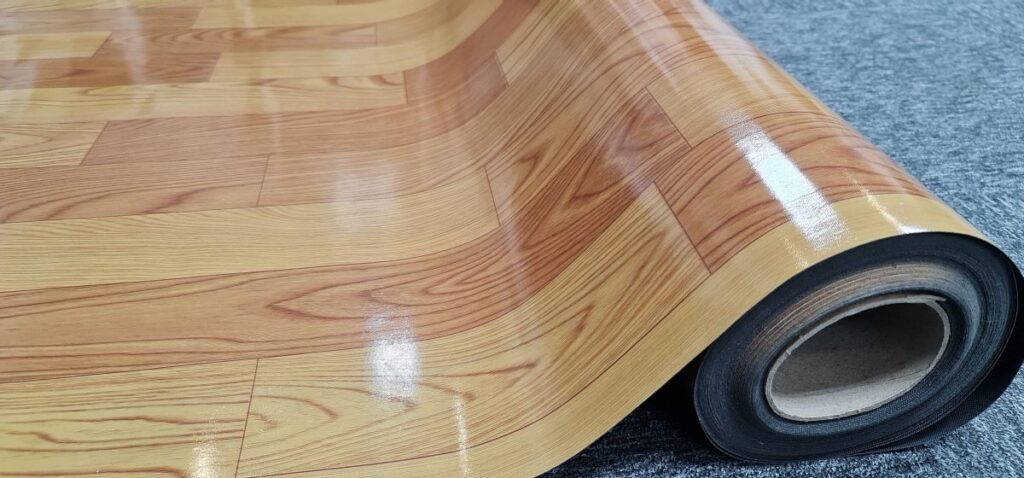
  Vinyl Flooring Sheets: The Full Guide for Residential and Commercial Use in Singapore    Vinyl flooring sheets are becoming one of the most popular flooring options in Singapore due to their water resistance, durability, cost efficiency, and ease of maintenance. Unlike vinyl planks or tiles, vinyl sheet flooring is installed as large continuous sheets, creating a seamless surface that performs well in both residential and commercial environments. This guide explains what vinyl flooring sheets are, their advantages and disadvantages, where they are best used, how long they last, and whether they are worth considering.   What Is Vinyl Flooring? Vinyl flooring is a synthetic flooring material made primarily from polyvinyl chloride (PVC), combined with stabilisers and protective layers. It is designed to replicate natural surfaces such as wood, stone, or tile, while offering better resistance to moisture and daily wear. Common Uses of Vinyl Flooring in Singapore Homes and HDB flats Commercial offices Retail spaces Healthcare facilities Educational institutions   Does Vinyl Flooring Come in Sheets? Yes. Vinyl flooring is available in several formats, including: Vinyl flooring sheets Vinyl tiles Click vinyl planks (LVT / SPC) Vinyl flooring sheets are supplied in rolls and installed as a continuous surface, resulting in fewer joints and better water resistance compared to modular formats.   What Is Vinyl Sheet Flooring? Vinyl sheet flooring is a resilient flooring option supplied in large rolls and cut to fit the space precisely. Because it has fewer seams, it offers excellent moisture resistance and hygienic performance, making it suitable for areas that require easy cleaning and durability. Typical Structure of Vinyl Sheet Flooring Protective wear layer Printed design layer Flexible vinyl core Backing layer for comfort and stability   Discover the Versatility of Vinyl Flooring Sheets Vinyl flooring sheets are highly versatile and suitable for a wide range of environments: Living rooms and bedrooms Kitchens and wet areas Rental properties Offices and commercial interiors Healthcare and educational facilities Their ability to perform well in both residential and commercial spaces makes vinyl sheets a practical all-round flooring solution.   Benefits of Vinyl Flooring Sheets Vinyl flooring sheets offer several key advantages: Water resistant, suitable for humid climates Seamless finish, reducing moisture penetration Easy to clean and maintain Cost-effective compared to many flooring materials Comfortable underfoot and quieter than tiles Suitable for residential, office, and light commercial use These benefits explain why vinyl sheet flooring remains popular in Singapore.   Is Vinyl Sheet Flooring Worth It? For many homeowners and businesses, yes. Vinyl flooring sheets are worth considering if you: Want a budget-friendly flooring option Need strong water resistance Prefer easy maintenance Require a seamless and hygienic surface While vinyl sheets may not offer the premium texture of natural wood, they provide excellent long-term value and practicality.   What Are the Disadvantages of Vinyl Flooring Sheets? Despite their advantages, vinyl flooring sheets have some limitations: Less realistic texture compared to vinyl planks Repairs may require replacing a larger section Subfloor preparation must be done properly Not ideal for those seeking a luxury wood finish Understanding these trade-offs helps ensure the right flooring choice.   How Long Will Sheet Vinyl Flooring Last? With proper installation and maintenance, vinyl flooring sheets typically last 10 to 15 years. In light commercial environments, lifespan depends on foot traffic and usage. Higher-quality vinyl sheets with thicker wear layers can last longer under suitable conditions.   Is Sheet Vinyl Easy to Clean and Maintain? Yes. Vinyl flooring sheets are considered low maintenance. Basic Care Tips Sweep or vacuum regularly Mop with mild detergent Avoid abrasive cleaners Clean spills promptly This makes vinyl sheet flooring suitable for busy households and commercial spaces.   How Long Does Vinyl Flooring Take to Install? Installation time depends on floor size and subfloor condition, but vinyl sheet flooring is generally quick to install. In many cases: Small to medium areas can be completed within a day Minimal downtime is required Overlay installation may be possible without hacking existing floors Professional installation ensures a smooth and durable finish.   How Much Does Vinyl Flooring Cost in Singapore? Vinyl flooring sheet prices in Singapore typically range from: S$3 – S$5 per square foot (installed) Factors Affecting Cost Total floor area Subfloor condition Design or pattern selection Installation complexity Vinyl sheet flooring remains one of the most cost-effective flooring options available.   Vinyl Sheet vs Vinyl Tile vs Click Vinyl Plank Vinyl Sheet Seamless and waterproof Best for wet areas and large spaces Vinyl Tile Modular and easy to replace More seams than sheets Click Vinyl Plank (LVT / SPC) Most realistic wood appearance Higher cost compared to sheets Each option suits different budgets and usage requirements.   Which Sectors Benefit Most from Vinyl Sheet Flooring? Vinyl sheet flooring is commonly used in: Residential homes and rental units Offices and workspaces Retail shops Healthcare facilities Educational institutions Its durability and hygiene make it especially suitable for public and commercial interiors.   Frequently Asked Questions About Vinyl Flooring Sheets Is vinyl sheet flooring waterproof?Yes. Vinyl flooring sheets are highly water resistant due to minimal seams. How long does vinyl flooring last?Typically 10–15 years with proper care. Is vinyl sheet flooring suitable for commercial use?Yes. Vinyl sheets are commonly used in light to medium commercial environments. Are there different designs for vinyl flooring sheets?Yes. Vinyl sheets are available in wood, stone, concrete, and patterned finishes.   Final Thoughts Vinyl flooring sheets offer a strong balance of affordability, durability, water resistance, and ease of maintenance. Suitable for both residential and commercial use, they remain a reliable flooring choice for Singapore’s climate and lifestyle needs. For anyone prioritising function, hygiene, and long-term value, vinyl flooring sheets continue to be a smart and practical option.   View Detailed Price Guide Similar Articles Contact Us Got a question? We’re here to help. Drop us an email and we’ll get back to you as soon as we can.

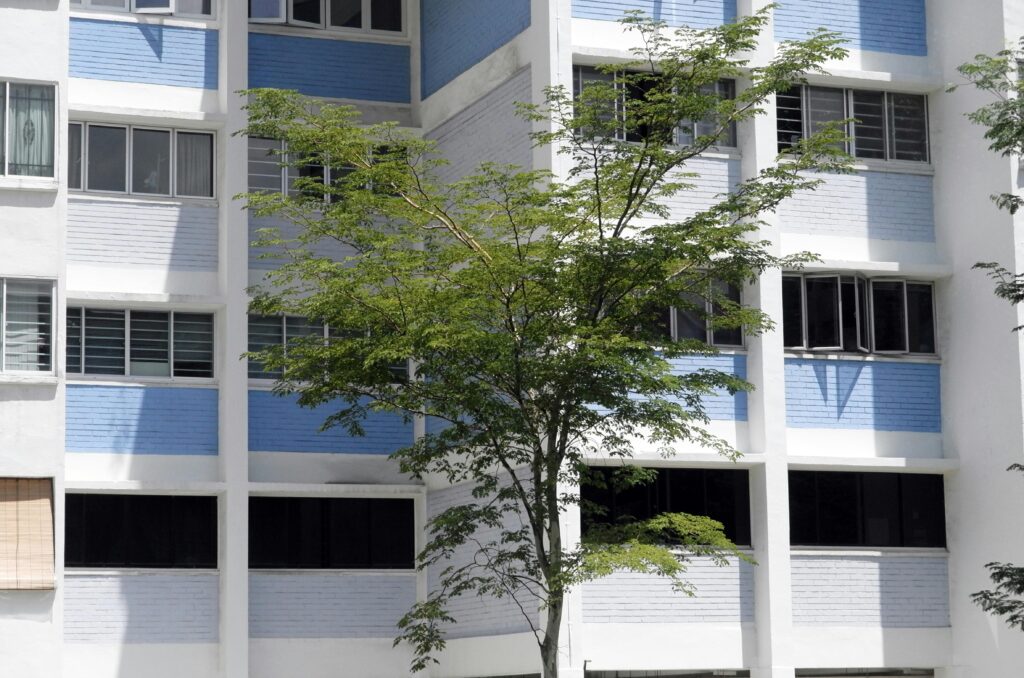
Modern residential building exterior with greenery in Singapore.
Blogs

Budget-Friendly Vinyl Flooring Options for HDB Flats in Singapore

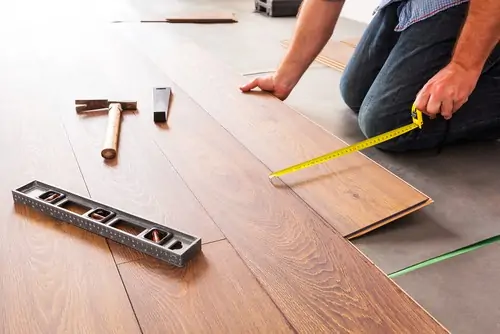
Budget-Friendly Vinyl Flooring Options for HDB Flats in Singapore    How much does it cost to renovate an HDB flat in Singapore? When new BTO keys are handed over, homeowners are often faced with empty rooms and the challenge of turning a bare unit into a comfortable home. Flooring is one of the largest renovation costs, and choosing the wrong material can cause expenses to spiral. This is why budget-friendly vinyl flooring options for HDB flats have become increasingly popular across Singapore. Vinyl flooring combines affordability, durability, water resistance, and design flexibility, making it one of the most practical flooring choices for both HDB and BTO homeowners. This guide explains why vinyl flooring works well for HDB homes, what it costs, the design options available, installation considerations, and how to maximise value without overspending.   Understanding Vinyl Flooring in Singapore Vinyl flooring is a synthetic flooring material primarily made from polyvinyl chloride (PVC), combined with stabilisers and pigments. It is designed to replicate the look of natural materials such as wood, stone, or concrete, while offering better resistance to moisture and wear. In Singapore, vinyl flooring is commonly used in: HDB flats BTO homes Condominiums Rental units Its water resistance and low-maintenance nature make it especially suitable for Singapore’s humid climate.   Why Vinyl Flooring Is Perfect for HDB BTO Flats HDB BTO flats are built with efficiency and functionality in mind. Vinyl flooring fits these requirements well for several reasons: Affordable material and installation costs Minimal floor hacking required More comfortable underfoot compared to tiles Quieter surface that reduces noise transfer Suitable for families with children or pets For homeowners seeking a clean, modern look without exceeding their renovation budget, vinyl flooring is often the preferred choice.   Why Is Vinyl Flooring Suitable for HDB BTO Flats? Vinyl flooring adapts well to typical HDB layouts and construction conditions. Key reasons include: Can be installed over existing tiles (if the surface is level) Moisture-resistant for kitchens and living areas Durable enough for daily long-term use Flexible installation options for different room sizes These advantages help homeowners save both time and money during renovation.   Cost-Effectiveness of HDB BTO Vinyl Flooring One of the biggest advantages of vinyl flooring is its cost-effectiveness. Compared to other flooring materials, vinyl: Has a lower cost per square foot Requires less labour time to install Reduces hacking and disposal costs Has minimal long-term maintenance expenses This makes vinyl flooring a strong option for budget-conscious homeowners who still want a durable finish.   Singapore Vinyl Flooring Price Guide (Material + Installation) Below is a general guide to vinyl flooring prices in Singapore (installed): Vinyl sheet flooring: S$3 – S$5 per sq ft Vinyl planks (LVP): S$4.50 – S$6.50 per sq ft SPC vinyl flooring: S$6.50 – S$9.50 per sq ft Factors That Affect Pricing Total floor area Type of vinyl selected Subfloor condition Installation complexity Skirting and finishing requirements Vinyl remains one of the most affordable flooring materials for HDB flats in Singapore.   How Much Does HDB Vinyl Flooring Cost?  Estimated costs for a typical HDB flat are as follows: 3-room HDB: S$2,800 – S$4,500 4-room HDB: S$4,000 – S$6,500 5-room HDB: S$5,500 – S$8,000 These figures are approximate and vary depending on layout and material choice.   What Is the Most Budget-Friendly Flooring Option? Among modern flooring materials, vinyl flooring is generally one of the most budget-friendly when considering material cost, installation, and maintenance. Compared to tiles or timber flooring: Vinyl costs less to install Hacking is often not required Maintenance costs are minimal For large floor areas, vinyl sheet flooring usually offers the best value.   Popular Vinyl Flooring Styles for HDB BTO Homes Affordable vinyl flooring still offers a wide range of designs. Popular styles include: Wood-grain vinyl planks Light oak or ash tones for smaller spaces Neutral stone-effect vinyl tiles Minimalist matte finishes These styles help create a modern interior without expensive materials.   Design and Aesthetic Options for HDB BTO Vinyl Flooring Vinyl flooring allows homeowners to: Match flooring with wall colours Create seamless transitions between rooms Use lighter shades to make spaces feel larger Maintain a consistent look throughout the flat This makes vinyl suitable for both modern and minimalist interior designs.   Durability of Vinyl Flooring Despite being budget-friendly, vinyl flooring is designed to last. High-quality vinyl flooring can: Withstand daily foot traffic Resist stains and scratches Maintain its appearance for 10–15 years Perform well in humid environments SPC vinyl flooring, in particular, offers higher rigidity and durability, making it suitable for high-traffic areas such as living rooms.   Pros and Cons of Using Vinyl Flooring for Your HDB BTO Flat Pros Affordable and cost-effective Water-resistant Easy to clean and maintain Comfortable underfoot Wide variety of designs Cons Less premium feel than real wood Repairs may require section replacement Proper subfloor preparation is necessary Understanding both sides helps homeowners make informed decisions.   Installation Process of Vinyl Flooring A typical vinyl flooring installation involves: Site measurement and assessment Subfloor preparation Layout planning Adhesive or click-system installation Edge trimming and skirting installation Professional installation ensures a smooth finish and long-term performance.   Do I Need to Hack My Old Floor for Vinyl Installation? In many cases, hacking is not required. Vinyl flooring can often be installed over existing tiles if: The surface is level There are no loose tiles Floor height clearance allows it Skipping hacking can significantly reduce renovation cost and time.   Maintenance and Care for Vinyl Flooring in HDB BTO Flats Maintaining vinyl flooring is simple: Sweep or vacuum regularly Mop with mild detergent Avoid abrasive cleaners Use furniture pads to prevent dents With proper care, vinyl flooring can remain in good condition for many years.   Is Vinyl Flooring a Smart Investment for Singapore Properties? Vinyl flooring is considered a smart investment because it: Enhances property appeal Keeps renovation costs manageable Appeals to both homeowners and tenants Offers long-term durability with minimal upkeep For resale or rental properties, vinyl flooring often delivers excellent value.

Blogs

are vinyl floors good for singapore homes

Are Vinyl Floors Good for Singapore Homes? A Contractor’s Perspective For many homeowners, the question isn’t really what vinyl flooring is anymore. It’s whether vinyl floors are actually worth installing in a Singapore home, or if it’s a decision they’ll end up regretting later. New BTO owners are overwhelmed by choices.Resale condo buyers worry about long-term regret.Landed homeowners want something refined, not disposable. As direct vinyl flooring contractors working across Singapore, we see this same mindset again and again. This article explains things honestly, without showroom fluff or sales talk. Why Homeowners Hesitate About Vinyl Flooring Most hesitation around vinyl flooring comes from perception rather than performance. Many homeowners still associate vinyl flooring with older, lower-grade materials. Something temporary. Something done to save cost. That reputation came from a different era of vinyl, not from what is commonly installed today. Modern vinyl flooring in Singapore is engineered very differently. When problems happen, it’s usually not because vinyl flooring is a bad product, but because the wrong type was chosen or the installation was rushed. The real question should not be whether vinyl flooring is cheap.It should be whether vinyl flooring suits the way you live. When Vinyl Flooring Is Worth Getting in Singapore Climate Stability Matters More Than Most People Expect Singapore’s humidity is harsh on flooring. Materials expand, contract, and react to moisture over time, especially in homes where air-conditioning usage changes daily. Vinyl flooring handles this environment well. It does not absorb moisture like natural timber, it remains dimensionally stable, and it is less prone to warping. For many HDB flats and condos, this stability alone makes vinyl flooring worth getting. Visual Consistency Across the Home One practical reason homeowners choose vinyl flooring is the ability to run the same surface across multiple spaces. Living room, bedrooms, study areas — all can flow without awkward transitions. This creates a cleaner, more intentional look, especially in modern layouts. Interior designers often prefer this continuity, and vinyl flooring makes it easier to achieve. Comfort You Only Notice After Moving In Comfort is rarely discussed in showrooms, but it becomes obvious once you live in the space. Vinyl flooring feels warmer than tiles and softer underfoot. It absorbs impact and reduces noise, which makes daily movement quieter. Families, people working from home, and even elderly homeowners notice this difference quickly. Maintenance That Fits Busy Lifestyles Vinyl flooring does not require polishing, sealing, or specialised upkeep. Regular cleaning is enough. For homeowners already stretched thin by renovation decisions, this simplicity matters more than it sounds. Low maintenance is one of the quieter reasons vinyl flooring continues to be popular in Singapore homes. When Vinyl Flooring May Not Be the Right Choice If Natural Material Prestige Is a Priority Vinyl flooring is engineered, not natural. If your renovation goal is centred around owning natural materials with traditional value or tactile authenticity, vinyl may not deliver that emotional satisfaction. It looks good, but it does not feel like real timber, because it isn’t. If Installation Quality Is Treated as Secondary Most vinyl flooring complaints come down to workmanship. Uneven subfloors, poor alignment, rushed skirting details — these issues create lifting, gaps, and visual dissatisfaction over time. Vinyl flooring is unforgiving of shortcuts, which is why experienced vinyl floor contractors matter more than brand names. Is Vinyl Flooring Worth Getting for HDB Homes? For most HDB homeowners, yes. Vinyl flooring works well because it handles humidity, reduces sound transmission, installs efficiently, and suits modern layouts. It offers a balance of comfort, performance, and practicality that fits everyday living. Is Vinyl Flooring Worth Getting for Condos and Landed Homes? Yes, when expectations are aligned and installation is done properly. Higher-quality vinyl wood flooring can deliver refined visuals and stable performance, but premium homes demand precision execution. The material alone is never enough. Common Regrets Contractors See and How to Avoid Them From experience, regret usually comes from the same mistakes. Choosing purely based on price.Ignoring subfloor preparation.Rushing installation to meet renovation deadlines. Vinyl flooring should be treated as a finished surface, not a shortcut. Final Verdict: Are Vinyl Floors Worth Getting? For most Singapore homes, vinyl flooring is worth getting when chosen for the right reasons and installed properly. Vinyl flooring itself is not a compromise. Poor planning and poor execution are. When done correctly, vinyl flooring delivers comfort, stability, clean design, and peace of mind long after the renovation is complete. Similar Articles Contact Us Got a question? We’re here to help. Drop us an email and we’ll get back to you as soon as we can.

Blogs

Vinyl flooring skirting

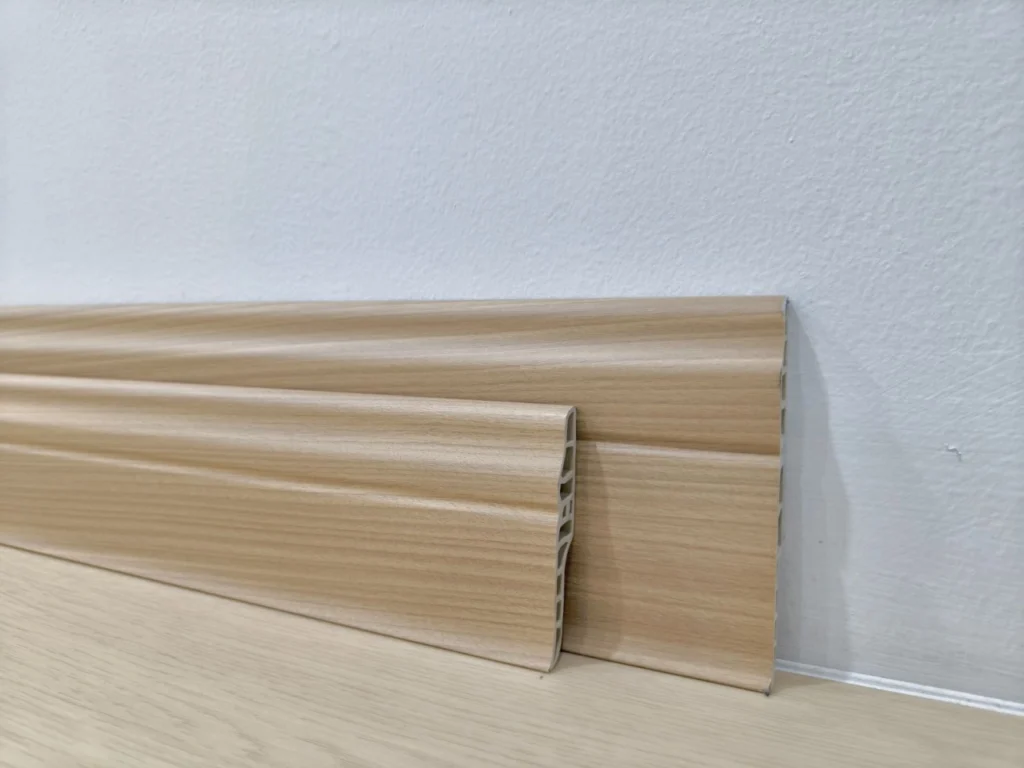
Vinyl Flooring Skirting: A Complete Guide for Singapore Homeowners     Vinyl flooring is one of the most popular flooring choices in Singapore due to its durability, water resistance, and modern appearance. However, one essential detail that is often overlooked is vinyl flooring skirting. Skirting plays a crucial role in completing the overall look of a flooring installation. It creates a clean transition between the floor and the wall, conceals expansion gaps, and protects walls from moisture and daily wear. Even the best vinyl flooring installation can look unfinished without properly installed skirting. This guide explains what skirting is, why it matters for vinyl flooring, the best skirting options available, and why professional installation makes a difference.   What Is Skirting and Why Is It Important for Vinyl Flooring? Skirting, also known as baseboard or floor skirting, is the trim installed along the bottom edge of walls where they meet the floor. For vinyl flooring, skirting serves both functional and aesthetic purposes. It hides the expansion gaps required for vinyl flooring to expand and contract due to temperature changes. Skirting also protects walls from dirt, moisture, cleaning chemicals, furniture impact, and everyday wear. In Singapore’s humid climate, skirting provides an additional layer of protection against moisture buildup along wall edges, helping preserve both the flooring and the walls over time.   What Happens If Skirting Is Not Installed? Without skirting, several issues can occur over time. Vinyl flooring expansion gaps remain visible, giving the room an unfinished look. Dust and dirt tend to accumulate along the edges of the floor, making cleaning more difficult. Moisture can seep into wall corners, increasing the risk of stains, swelling, or wall damage. Walls are also more vulnerable to scuffs and impact from furniture, pets, or frequent cleaning. Skirting is not merely decorative. It is a practical solution that helps maintain the appearance and durability of vinyl flooring.   Do You Need Skirting for Vinyl Flooring? Yes, skirting is strongly recommended for vinyl flooring installations. Vinyl flooring expands and contracts naturally due to temperature and humidity changes. Skirting conceals these expansion gaps while allowing the flooring to move freely, preventing lifting, warping, or buckling over time. For both residential and commercial spaces in Singapore, skirting provides a clean, professional finish while protecting your flooring investment.   Practical and Stylish Benefits of Vinyl Flooring Skirting Skirting enhances both the visual appeal and functionality of a space when selected and installed correctly. Aesthetic Benefits of Skirting Skirting creates a seamless transition between the floor and wall, improving overall room proportions. It helps tie the flooring design with wall finishes and interior themes, giving the space a polished and complete appearance. Functional Benefits of Skirting Skirting protects walls from moisture, stains, and impact damage. It makes cleaning easier by preventing dirt from settling into floor edges. Skirting can also conceal uneven wall edges, minor gaps, or wiring, improving the overall finish of the room.   Benefits of Vinyl Skirting in Singapore Homes Vinyl and PVC skirting are especially suitable for Singapore homes due to the climate and lifestyle requirements. They are highly resistant to water and moisture, durable, flexible, and easy to maintain. Compared to solid wood skirting, PVC skirting is more affordable and better suited for humid environments. Vinyl skirting is also ideal for households with children or pets, as it is impact-resistant and easy to clean.   Types of Skirting Suitable for Vinyl Flooring Different skirting types can be used with vinyl flooring depending on design preferences, budget, and installation requirements. PVC Skirting PVC skirting is waterproof, flexible, and durable, making it one of the most popular choices in Singapore. It performs well in humid conditions and is easy to maintain, making it suitable for both homes and offices. Paintable Skirting Paintable skirting allows homeowners to match the skirting colour with wall finishes for a seamless look. It provides a clean and minimal appearance while maintaining functionality. Clip-On or Clickable Skirting Clip-on skirting systems are easy to install and remove, offering a clean and modern finish. They are suitable for fast renovation projects or spaces that may require future access behind the skirting.   How to Choose the Right Skirting for Vinyl Flooring When selecting skirting for vinyl flooring, consider the floor colour and texture, wall design, skirting height and thickness, and the level of moisture exposure in the room. Budget and long-term maintenance should also be factored in. The right skirting choice ensures a balanced, visually pleasing, and durable flooring finish.   Recommended Skirting Options for Vinyl Flooring in Singapore For most Singapore homeowners, PVC skirting is the preferred choice due to its strength, flexibility, and water resistance. It complements modern vinyl flooring designs while offering long-term protection for walls and floors. Professional flooring providers often offer samples to help homeowners choose the most suitable skirting style for their space.   How Vinyl Skirting Is Installed Proper installation is essential for achieving a clean and durable finish. Professional Vinyl Skirting Installation Process The installation process typically includes accurate wall measurements, surface preparation, precise cutting, secure fixing using adhesive or mounting systems, and sealing edges for a neat finish. Professional installation ensures precise alignment, smooth transitions, long-term durability, and overall customer satisfaction. While DIY installation may seem cost-effective, improper installation can lead to gaps, uneven finishes, and future repair costs.   Is Vinyl Skirting a Good Choice? Vinyl skirting is an excellent option for modern homes and commercial spaces. It offers a strong balance of durability, affordability, and appearance, making it suitable for a wide range of interior styles.   Are There Any Downsides to Vinyl Flooring Without Skirting? Without proper skirting, vinyl flooring installations may expose expansion gaps, reduce visual appeal, and increase the risk of wall damage. These issues can be avoided by using quality skirting materials and professional installation.   Cost of PVC Skirting in Singapore The cost of PVC skirting in Singapore depends on the skirting height, design, total length required, and installation complexity. Overall, PVC skirting provides good value for

Blogs

Engineered Timber vs Vinyl flooring

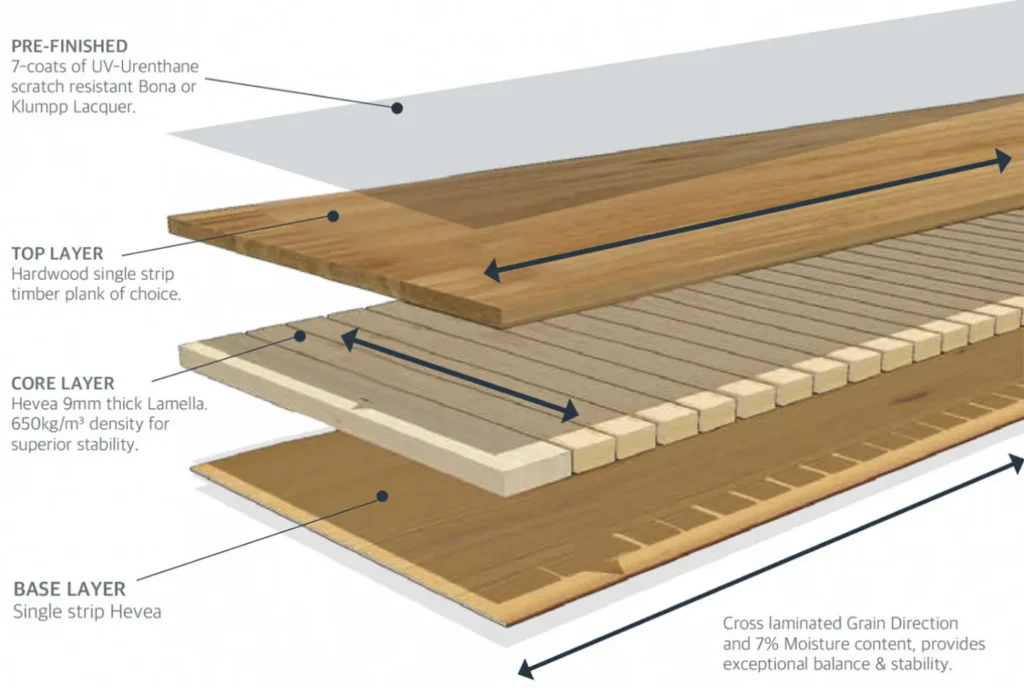
Engineered Timber vs Vinyl Flooring: Which Is the Better Choice for Your Home in Singapore?    Choosing the right flooring can feel overwhelming, especially when you’re torn between two popular options: engineered timber and vinyl flooring. Both look great, both are widely used in Singapore homes, and both come with their own pros and trade-offs. So which one is actually better? The answer depends on your lifestyle, budget, and how you plan to use the space. This guide breaks down engineered timber vs vinyl flooring in a practical, real-world way—so you can make the right decision without sales fluff.     Understanding Engineered Timber Flooring Engineered timber flooring is made using multiple layers of wood. The top layer is real hardwood, while the core layers are bonded plywood or high-density fiberboard designed for stability. This layered construction allows engineered timber to handle humidity better than solid wood, which is why it’s commonly used in Singapore. Key Features of Engineered Timber Flooring Real wood surface with natural grain patterns Warmer underfoot compared to synthetic materials More stable than solid hardwood in humid climates Can be refinished (depending on wear layer thickness) Engineered timber is often chosen for living rooms and bedrooms where aesthetics and comfort matter most.   Understanding Vinyl Flooring Vinyl flooring is a synthetic flooring option made primarily from PVC. Modern vinyl flooring has improved significantly, offering realistic wood and stone finishes that are hard to distinguish from natural materials. In Singapore, vinyl flooring is especially popular due to its durability and low maintenance requirements. Key Features of Vinyl Flooring 100% water-resistant Highly scratch and stain resistant Easy to maintain and clean More affordable than engineered timber Suitable for high-traffic and wet areas Vinyl flooring is commonly used in kitchens, rental units, offices, and family homes with pets or kids. Engineered Timber vs Vinyl Flooring: A Detailed Comparison 1. Appearance and Aesthetic Appeal Engineered timber offers the authentic look and feel of real wood. Each plank has unique grain patterns, giving your space a premium and natural character that vinyl cannot fully replicate. Vinyl flooring, however, has come a long way. High-quality vinyl planks now mimic timber textures very convincingly, making it a practical alternative for those who want the wood look without the cost or upkeep. Winner: Engineered timber (for authenticity) 2. Durability and Longevity Vinyl flooring is extremely durable and designed to withstand heavy foot traffic, spills, and scratches. It performs well in households with children, pets, or frequent guests. Engineered timber is durable too, but it requires more care. Scratches, dents, and moisture exposure can affect its lifespan if not properly managed. Winner: Vinyl flooring (for daily wear and tear) 3. Water and Moisture Resistance This is a crucial factor in Singapore’s humid climate. Vinyl flooring is completely water-resistant, making it ideal for kitchens, bathrooms, and even commercial spaces. Engineered timber is moisture-resistant but not waterproof. Prolonged exposure to water can still cause damage over time. Winner: Vinyl flooring 4. Comfort and Feel Underfoot Engineered timber feels warmer and more natural underfoot, especially when walking barefoot. It also offers better acoustic comfort, reducing echo in rooms. Vinyl flooring tends to feel cooler and slightly firmer, although underlay options can improve comfort. Winner: Engineered timber 5. Maintenance and Upkeep Vinyl flooring is low-maintenance. Regular sweeping and occasional mopping are enough to keep it looking new. Engineered timber requires more attention. You’ll need to avoid excess moisture, use suitable cleaning products, and protect it from scratches. Winner: Vinyl flooring 6. Installation Process Vinyl flooring installation is generally quicker and less disruptive. Many vinyl systems use click-lock mechanisms that don’t require adhesives. Engineered timber installation can be more complex, especially if glue-down methods are used. Professional installation is strongly recommended. Winner: Vinyl flooring (ease of installation) 7. Cost Comparison Vinyl flooring is typically more budget-friendly, both in material and installation costs. Engineered timber costs more due to the real wood layer and higher installation requirements, but it also adds a more premium feel to the space. Winner: Vinyl flooring (for affordability)   Which Flooring Is Best for Different Spaces? Best Choice for Living Rooms Engineered timber, due to its warmth and natural appearance. Best Choice for Bedrooms Engineered timber for comfort, or vinyl if budget and durability are priorities. Best Choice for Kitchens Vinyl flooring, thanks to its water resistance. Best Choice for Rental Properties Vinyl flooring, due to durability and lower replacement costs. Best Choice for Offices Vinyl flooring, especially for high foot traffic areas. Engineered Timber vs Vinyl Flooring: Final Verdict There is no one-size-fits-all answer. Choose engineered timber flooring if: You value natural aesthetics and comfort The space is dry and low-traffic You’re investing in a long-term home Choose vinyl flooring if: You want durability and water resistance Maintenance needs to be minimal Budget and practicality are key priorities The right choice depends on how you live, not just how your floor looks on day one. A Practical Tip Before You Decide Many homeowners focus only on material, but installation quality matters just as much. Even the best flooring can fail if installed incorrectly, especially in Singapore’s climate. This is where working with experienced flooring specialists makes a real difference. Homeowners often consult professionals like THL Flooring to understand which flooring suits their lifestyle, budget, and space layout—before making a final decision. Similar Articles Contact Us Got a question? We’re here to help. Drop us an email and we’ll get back to you as soon as we can.