Author name: ln flooring

Blogs

How to determine quality of vinyl flooring

How to Determine the Quality of Vinyl Flooring (A Complete Buyer’s Guide)    Vinyl flooring is widely used in Singapore homes and commercial spaces because it is durable, water-resistant, and visually versatile. However, not all luxury vinyl flooring offers the same level of performance, particularly in high foot traffic areas. Two vinyl floors may look similar at first glance, yet differ significantly in lifespan, comfort, and durability. This guide explains how to determine the quality of vinyl flooring, so you can make an informed decision before buying and avoid long-term issues such as peeling, dents, or premature wear.   Why Vinyl Flooring Quality Matters High-quality vinyl flooring performs better under daily use and environmental stress. It maintains its appearance, resists moisture damage, and provides better stability over time. Poor-quality vinyl flooring, on the other hand, may fade, warp, or fail under normal household conditions. In Singapore’s humid climate, choosing the right vinyl flooring quality is especially important to ensure long-term durability.   1. Wear Layer Thickness and Its Importance The wear layer is the transparent protective coating on top of vinyl flooring. It shields the surface from scratches, stains, and everyday wear. As a general guideline: Light residential use requires a minimum wear layer of 0.3mm Heavier residential or commercial use benefits from 0.5mm or more A thicker wear layer usually indicates better resistance to damage and longer lifespan.   2. Understanding Total Vinyl Flooring Thickness Total thickness affects comfort, noise absorption, and stability. Thicker vinyl flooring often feels more solid underfoot and handles minor subfloor imperfections better. However, thickness alone does not determine quality. A thinner vinyl with a strong core and good wear layer can outperform a thicker but poorly constructed option.   3. Core Layer Quality (SPC vs WPC) The core layer is the backbone of vinyl flooring and plays a major role in durability. SPC (Stone Plastic Composite)Offers high rigidity, excellent dimensional stability, and strong resistance to dents and moisture. It is ideal for high-traffic areas. WPC (Wood Plastic Composite)Provides more cushioning and comfort underfoot, with better sound absorption. Suitable for residential spaces where comfort is prioritised. High-quality vinyl flooring uses a well-engineered core that resists bending, expansion, and contraction.   4. Surface Design, Texture, and Finish Good-quality vinyl flooring features: Realistic wood or stone visuals Embossed textures that align with the design Consistent colour patterns across planks Lower-quality vinyl often appears flat, repetitive, or artificial once installed.   5. Waterproof and Moisture Resistance One key advantage of vinyl flooring is its water resistance. Quality vinyl flooring should be fully resistant to moisture, making it suitable for living rooms, bedrooms, kitchens, and HDB flats. Always confirm that the flooring is designed to withstand spills and humidity without swelling or lifting.   6. Installation System and Locking Mechanism The installation system affects both appearance and long-term performance. High-quality vinyl flooring uses secure click-lock systems that: Hold planks firmly together Prevent gaps from forming Reduce movement over time Poor locking systems can result in uneven flooring even if the material itself looks good.   7. Integrated Underlay and Comfort Some vinyl flooring products include an attached underlay layer. This helps with: Noise reduction Walking comfort Minor subfloor unevenness While not essential, an integrated underlay improves overall user experience.   8. Environmental Safety and Certifications Quality vinyl flooring often meets environmental and safety standards such as low VOC emissions. This contributes to better indoor air quality, which is especially important for households with children or elderly occupants. Always check product specifications for safety compliance.   9. Warranty and Brand Reputation A reliable vinyl flooring supplier provides: Clear product warranty terms Installation workmanship assurance Transparent technical specifications Established flooring specialists, such as The LN Flooring, typically place strong emphasis on proper material specifications and installation standards, which plays a key role in long-term flooring performance.   10. Price vs Value: What to Consider While higher-quality vinyl flooring usually costs more, choosing the cheapest option can lead to higher replacement and repair costs later. Value should be measured in terms of durability, performance, and long-term satisfaction rather than upfront price alone.   Common Mistakes When Choosing Vinyl Flooring Judging quality by appearance only Ignoring wear layer thickness Overlooking core construction Assuming all vinyl flooring is waterproof Not checking warranty details Avoiding these mistakes helps ensure a better flooring investment.   How to Choose the Right Vinyl Flooring for Your Space To determine whether vinyl flooring is good quality, always: Review technical specifications carefully Understand wear layer and core composition Inspect physical samples Match the flooring type to usage needs Many homeowners consult experienced flooring providers like The LN Flooring during this stage to better understand which vinyl flooring options suit their space and lifestyle requirements.   Final Thoughts Knowing how to determine the quality of vinyl flooring allows you to make a confident and informed purchase. High-quality vinyl flooring offers durability, comfort, and long-term value, while poor-quality products often lead to avoidable issues. By understanding the key factors outlined above, you can select vinyl flooring that performs well and lasts for years. Similar Articles Contact Us Got a question? We’re here to help. Drop us an email and we’ll get back to you as soon as we can.

Blogs

Top 5 Vinyl Flooring Companies in Singapore 2026

Top 5 Vinyl Flooring Companies in Singapore 2026 | Vinyl Flooring Singapore     Choosing the right vinyl flooring company in Singapore is just as important as choosing the flooring itself, especially when considering the best flooring brands. Quality installation, material durability, warranty support, and after-sales service all play a major role in how long your vinyl flooring lasts. To help homeowners and businesses make an informed decision about the 11 best luxury vinyl options, here is a guide. carefully curated list of the top vinyl flooring companies in Singapore for 2026 Based on experience, product range, workmanship quality, and customer trust in various flooring brands.     1. The LN Flooring (Recommended Choice) The LN Flooring stands out as a trusted vinyl flooring specialist in Singapore, offering high-quality materials combined with professional installation standards. Known for its attention to detail and transparent pricing, the company caters to both residential and commercial projects. Why choose The LN Flooring: Wide range of vinyl flooring designs and finishes Experienced installers with proper site preparation Suitable for homes, offices, and retail spaces Focus on durability, moisture resistance, and clean finishing Honest consultation and clear project timelines The LN Flooring is ideal for homeowners looking for long-lasting vinyl flooring with reliable workmanship and personalised service.   2. Evorich Holdings Pte Ltd Evorich is a well-known name in Singapore’s flooring industry, offering an extensive selection of vinyl flooring products. They are recognised for their manufacturing background and structured installation process. Highlights: Large showroom experience featuring luxury vinyl options. Wide variety of vinyl flooring collections Established brand presence in Singapore Evorich is often chosen by homeowners who prefer a brand-backed flooring solution With multiple design options available, including luxury vinyl styles. 3. Floorrich Floorrich is another established flooring company in Singapore, offering luxury vinyl planks, laminate, and timber flooring solutions. The company is known for its modern designs and showroom accessibility. Highlights: Multiple showrooms across Singapore showcasing premium flooring choices. Contemporary vinyl flooring styles Suitable for residential renovations Floorrich is a good option for those who want design-focused vinyl flooring with showroom browsing. 4. The Floor Gallery The Floor Gallery provides a broad range of flooring solutions, including vinyl flooring, and focuses on both aesthetics and functionality. They work on residential as well as commercial projects. Highlights: Diverse flooring materials under one roof, including luxury vinyl and SPC. Vinyl flooring suitable for different budgets, including affordable luxury vinyl options. Experience in large-scale projects with premium flooring solutions. This company is suitable for customers looking for variety and flexibility in flooring options. 5. Floor to Ceiling Floor to Ceiling is known for offering interior-related solutions, including vinyl flooring, carpentry, and renovation services. Their vinyl flooring solutions are often bundled with interior works. Highlights: One-stop interior and flooring solutions Vinyl flooring options for modern homes that include durable luxury vinyl selections. Suitable for homeowners doing full renovations This option works well for those seeking Combined interior and flooring services that cater to diverse flooring needs.. How to Choose the Right Vinyl Flooring Company in Singapore When selecting a vinyl flooring provider, consider the following durable options: Quality of vinyl materials offered Installation experience and finishing quality for quality flooring. Warranty and after-sales support Transparent pricing and clear scope of work Reviews and past project experience The cheapest option is not always the best — proper installation plays a huge role in flooring lifespan.   Conclusion Vinyl flooring remains one of the most practical flooring solutions in Singapore due to its durability, water resistance, and easy maintenance, particularly in luxury vinyl formats. Choosing a reliable flooring company ensures your investment lasts for years without issues such as lifting, gaps, or uneven surfaces. Among the top options in 2026, The LN Flooring stands out for its workmanship quality, professional approach, and customer-focused service, making it a strong choice for homeowners and businesses alike. Similar Articles Contact Us Got a question? We’re here to help. Drop us an email and we’ll get back to you as soon as we can.
Blogs

How to Clean Floor Tiles After Reno

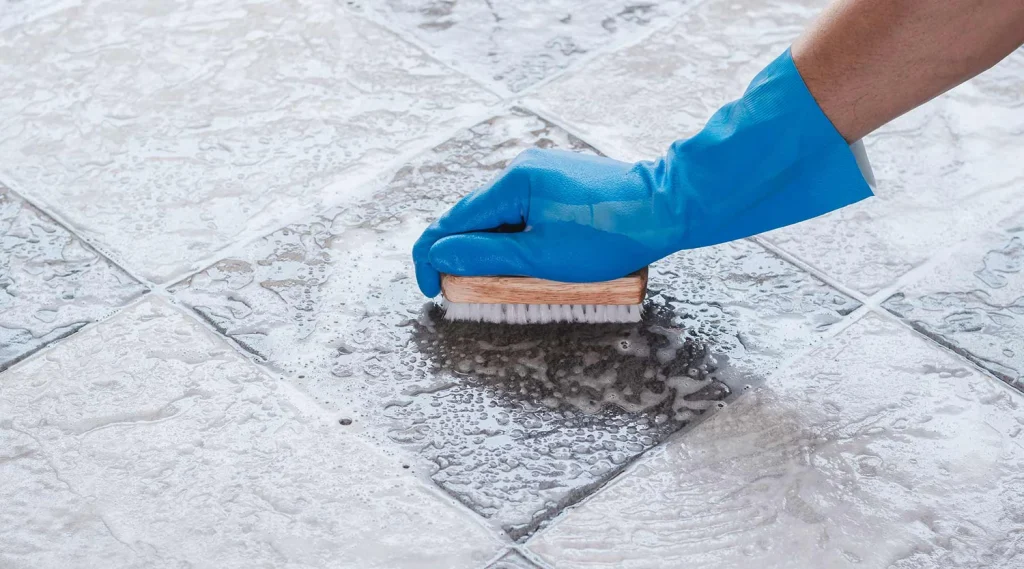
How to Clean Floor Tiles After Renovation: Step-by-Step Guide for Singapore Homes    Renovation work can completely transform your home, but it often leaves behind a thick layer of dust, cement residue, paint stains, and stubborn grime on your floor tiles. Normal mopping is usually not enough to remove post-renovation dirt, especially in Singapore’s humid environment where stubborn stains easily stick to surfaces. This guide explains how to clean floor tiles after renovation properly, using safe and effective methods that protect your tiles while restoring their original shine.   Why Floor Tiles Get Extremely Dirty After Renovation After renovation, floor tiles are exposed to: Fine construction dust that settles deep into tile pores Cement residue and grout haze Paint splashes, adhesive marks, and sealants Heavy foot traffic from contractors Unlike everyday dirt, renovation debris bonds strongly to tile surfaces and grout lines, requiring specialized cleaning methods. That’s why basic sweeping or wet mopping often spreads the dust instead of removing it.   Tools & Cleaning Supplies Needed for Post-Renovation Tile Cleaning Before you start, prepare the right tools to avoid damaging your tiles: Basic tools Soft broom or vacuum cleaner Microfiber mop and cloths Buckets with clean water for cleaning tiles after a renovation Cleaning supplies should include baking soda and water for effective stain removal. Mild floor detergent or tile cleaner Warm water For stubborn residue, consider using a mixture of baking soda and water for better results. Soft scrub brush Plastic scraper (non-metal) Safety equipment is essential to prevent damage to the tiles during the cleaning process. Gloves Face mask Avoid harsh acids or abrasive tools, especially on delicate tiles.   Safety Precautions Before Cleaning Floor Tiles Cleaning after renovation involves fine dust and chemical residue. Always use suitable cleaning supplies to ensure the best results for your tile floor. Open windows and doors for proper ventilation to aid in the cleaning process. Wear gloves and a mask to protect your skin and lungs Test any cleaning solution on a small hidden area first Never mix different cleaning chemicals together These precautions help prevent health issues and tile damage.   Preparing the Area Before You Start Cleaning Proper preparation makes cleaning faster and more effective: Allow renovation dust to settle for at least 24 hours Remove loose debris, nails, and leftover materials Clear furniture, coverings, and tools from the floor Inspect tiles for cracks or damage before cleaning Skipping preparation often results in muddy streaks and incomplete cleaning.   Step-by-Step Guide to Cleaning Floor Tiles After Renovation   Step 1 – Dry Cleaning to Remove Dust and Debris Start by sweeping or vacuuming the entire floor thoroughly. Dry cleaning removes loose dust and prevents it from turning into sludge when water is added. Vacuuming is recommended as it captures fine dust trapped between tile joints. Step 2 – Initial Rinse and Surface Cleaning Use clean water to lightly rinse the floor. This helps loosen remaining dust without spreading it. Change the water frequently to avoid re-depositing dirt. Avoid soaking the floor at this stage. Step 3 – Removing Cement, Paint & Adhesive Residue For stubborn renovation stains: Use a damp cloth or soft brush Gently scrape residue with a plastic scraper to avoid damaging the tiles. Apply mild tile cleaner where necessary Never use metal tools or strong acids, as these can permanently scratch or etch tiles. Step 4 – Deep Cleaning the Tile Surface Mix a mild cleaning solution with warm water and mop the floor section by section. Rinse the mop frequently and replace dirty water often to prevent streaks. Work in small areas to ensure thorough cleaning of each section of the tile types. Step 5 – Cleaning Tile Grout Lines Thoroughly Grout lines trap the most dirt after renovation. Use a soft brush to gently scrub grout with a suitable cleaner, ensuring you don’t damage the tiles. Avoid excessive force, which can weaken grout over time. Step 6 – Final Rinse, Drying & Inspection Rinse the entire floor with clean water to remove cleaning residue. Dry the tiles using a microfiber cloth or allow natural air drying. Inspect the floor under good lighting to ensure no stains remain.   How to Clean Different Types of Floor Tiles After Renovation   Cleaning Porcelain Floor Tiles Porcelain tiles are durable but still require gentle cleaners. Avoid abrasive pads that can dull the surface over time. Cleaning Ceramic Floor Tiles Ceramic tiles are easier to clean but can chip if scrubbed aggressively. Use soft tools and mild solutions only. Cleaning Natural Stone Tiles (Marble, Granite, Travertine) Natural stone tiles are sensitive. Avoid acidic or alkaline cleaners, as they can cause permanent damage. Always use stone-safe cleaning products. Cleaning Homogeneous Tiles Homogeneous tiles need consistent cleaning to maintain uniform colour. Deep cleaning should be done evenly across the floor. Cleaning Cement Tiles Cement tiles are porous and prone to staining. Avoid excessive water and ensure proper drying after cleaning. Sealing may be required after renovation cleaning.   Common Mistakes to Avoid When Cleaning Floor Tiles After Renovation Using harsh chemicals or acids Scrubbing tiles too aggressively Skipping dry cleaning before wet cleaning Reusing dirty water repeatedly Ignoring grout lines can lead to stubborn stains that are difficult to remove from tile surfaces. These mistakes can cause dullness, stains, or long-term tile damage.   How to Maintain Clean Floor Tiles After Post-Renovation Cleaning Sweep or vacuum daily for the first few weeks Mop weekly using mild cleaners Wipe spills immediately Avoid dragging furniture directly on tiles Good maintenance prevents renovation dust from resurfacing.   When Should You Hire Professional Post-Renovation Cleaning Services? Consider professional cleaning if: Cement residue or grout haze remains after DIY cleaning, often requiring specific cleaning methods for removal. You have delicate stone or cement tiles Large renovation areas require deep cleaning Time and effort become overwhelming Professional cleaners use industrial equipment and specialised solutions for safer and faster results.   Final Tips for Keeping Floor Tiles Clean After Renovation Post-renovation tile cleaning requires patience,

Blogs

Vinyl flooring colours Guide

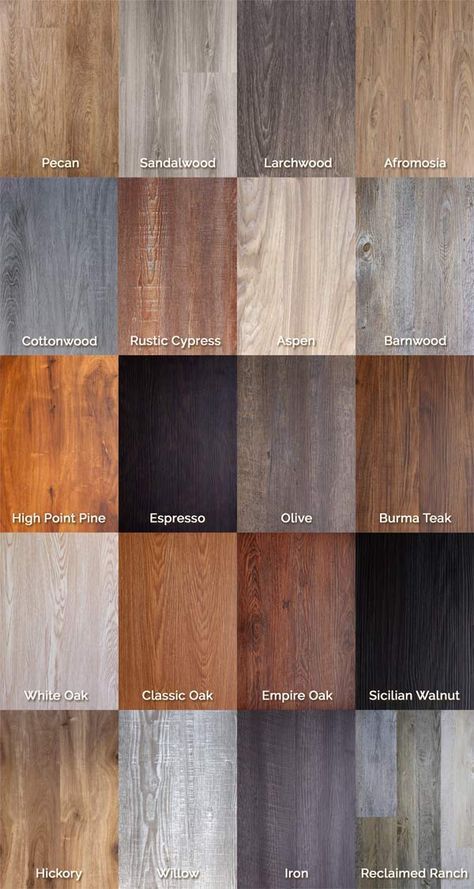
Vinyl Flooring Colours Singapore (2025 Guide): Trends, How to Choose & Best Looks for Your Home    Choosing the right vinyl flooring colour is one of the most impactful design decisions in a renovation. Vinyl flooring is practical, waterproof, easy to maintain, and affordable — but the colour you select sets the mood of every room. In Singapore’s tropical environment and urban spaces, the right vinyl colour can make rooms look larger, brighter, quieter, warmer, or more stylish. This guide explains: Popular vinyl flooring colours in Singapore How to choose the right colour for each space Design principles for harmony with walls, furniture and lighting Trending palettes in 2025 Common mistakes and pro tips Vinyl colour samples and real Singapore examples Whether you are renovating a BTO flat, resale HDB, condo, walk-in closet, laundry room or commercial office — this guide will help you confidently pick the best colour for your home.   Why Vinyl Flooring Colours Matter The colour of flooring affects how a space feels and functions. Light vinyl tones can make small rooms feel spacious and open. Dark vinyl creates contrast, definition and a cosy feel. Mid-tones offer balance, warmth and versatility. Unlike tiles or timber, vinyl comes in hundreds of realistic wood, stone and abstract patterns that mimic oak, walnut, ash, grey timber, marble, slate and more. In a tropical, humid climate like Singapore, colour choice also interacts with light, heat and interior finishes — so the right palette matters.   Popular Vinyl Flooring Colours in Singapore 1. Natural Oak and Light Timber Tones Natural oak tones remain the most popular choice across Singapore homes. They complement modern minimalist, Scandinavian and Japandi interiors. Light oak vinyl: Brightens spaces Makes rooms appear larger Works well with white walls and light furniture Hides minor scratches and dust better than dark finishes These colours are especially favoured for living rooms, kitchens and open-plan layouts. 2. Warm Honey and Beige Wood Warm honey and beige wood tones add subtle warmth without going too dark. They suit: Transitional interiors Soft neutral palettes Rooms with warm lighting Mid-range colour schemes These shades bridge the gap between cool modern looks and classic wood warmth. They are practical for everyday use. 3. Grey Timber and Urban Neutrals Grey wood tones are trending strongly in 2025. With urban Singapore interiors leaning minimalist or industrial chic, grey complements: Concrete finishes Black accents Stainless steel appliances Matte cabinetry Grey vinyl is modern and understated, and works particularly well in: Condominiums Workspaces Study rooms Grey tones also reduce the yellow-tint cast that some LED lights produce. 4. Dark Walnut and Espresso Shades Dark walnut, espresso and deep brown flooring create a strong contrast and luxurious feel. They are often chosen for: Feature living rooms Bedrooms with heavy curtains Homes with cream or light walls Because dark floors absorb more light, designers often pair them with strong artificial lighting or skylights. Dark shades can show dust and scratches more easily, so regular maintenance is recommended. 5. Whitewashed and Driftwood Styles Whitewashed or driftwood vinyl colours are popular in coastal, Mediterranean and relaxed modern designs. They give a breezy, open look and make transitional and open layouts feel connected. Whitewashed vinyl is ideal for: Living rooms Hallways Balconies connected to gardens or outdoor spaces   How to Choose Vinyl Flooring Colours for Your Space Choosing the right colour is not just about aesthetics — it’s about how the colour interacts with light, space, furniture, wall tones, ceilings and overall design theme. Match with Wall Colours If walls are light (white, cream, beige), darker vinyl can create depth and balance. If walls are warm (yellow, cream), medium wood tones like honey or oak work well. If walls are cool (grey, bluish white), grey timber vinyl often looks best. Coordinating tones avoids visual conflict and keeps interiors cohesive. Consider Room Size Smaller rooms benefit from lighter colours — they reflect light and make spaces feel open. In larger rooms, medium to dark tones can be used without overwhelming the space. Consider Function of Space For kitchens and high-traffic areas, pick vinyl colours that mask dirt and wear. Light mid-tones like natural oak or beige tend to hide dust better than very dark or ultra-white options. Consider Lighting Natural daylight changes throughout the day. If a room has limited natural light, lighter vinyl colours help maintain brightness. Rooms with abundant daylight can take darker shades without feeling heavy.   Trending Vinyl Flooring Palettes in Singapore (2025) Interior design trends evolve, but some colour families are gaining strong preference among Singapore homeowners and designers this year: Urban Minimalist Grey driftwood Ash timber Light stone textures Perfect for streamlined modern interiors, condominums and open-plan living rooms. Warm Contemporary Honey oak Almond beige Butterscotch wood tones Ideal for homes with warm lighting and soft upholstery. Luxury Contrast Dark walnut Espresso wood Black ash Used in feature rooms, master bedrooms and spaces with rich furniture. Clean Scandinavian Whitewashed oak Pale ash Soft beige wood Suited for minimalist, airy interiors with white walls and natural light.   Vinyl Flooring Colour Combinations With Interiors To create a coherent design, colours should work with other elements: Walls + Flooring White walls + light oak flooring → clean and spacious look Warm cream walls + honey wood flooring → cozy and inviting Cool grey walls + grey timber vinyl → sleek, modern vibe Black accent walls + dark walnut vinyl → dramatic and luxe Furniture + Flooring Wooden or neutral furniture pairs well with both light and mid-tone vinyl floors Black furniture looks strong with grey or dark wood tones Pastel furniture works well with pale whitewashed vinyl   Common Mistakes Homeowners Make Choosing flooring by price alone or purely by trend can lead to regret. These mistakes happen when: Vinyl colours clash with wall paint Vinyl looks too yellow under LED lights Very dark colour makes small rooms feel smaller Choosing ultra-light colour without considering maintenance Not seeing the vinyl sample in different lighting Always view vinyl colour samples

Blogs

Engineered Timber vs Vinyl Flooring

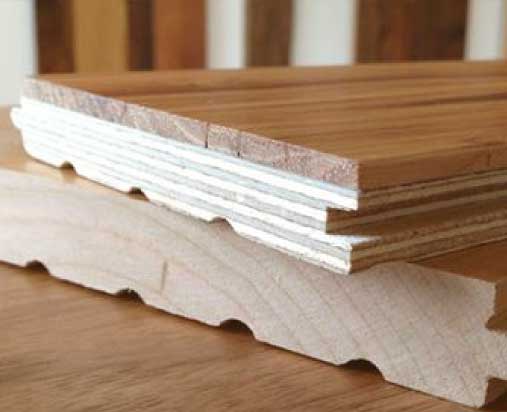
Engineered Timber vs Vinyl Flooring in Singapore: A Detailed Homeowner’s Guide (2025)     Flooring is often one of the biggest transformation elements in a home renovation. It affects how your home looks, feels, sounds and even ages over time. In Singapore — where humidity, renovation timelines and budgets are major concerns — choosing the right flooring is not simply a design decision, but a lifestyle choice. Two materials are compared most often by homeowners: engineered timber flooring and vinyl flooring. While both offer a “wood look”, they are very different in terms of performance, cost, installation, and long-term expectations. This comprehensive guide breaks down everything you need to know — including realistic pricing in Singapore, suitability by room type, maintenance expectations, design impact, resale considerations, and recommendations based on lifestyle types.     What is Engineered Timber Flooring? Engineered timber is a wood flooring product made up of multiple compressed layers of wood, bonded to form a stable core, with a real hardwood veneer top layer. This hardwood surface is the same material used in solid wood flooring — which is why engineered timber carries a premium, natural look. Because engineered timber is constructed with layered materials, it is more stable than solid wood and less prone to dramatic expansion or contraction. This makes it a more practical wood flooring choice for Singapore’s climate — although it is still considered a “wood product” and therefore sensitive to moisture. Engineered timber is common in: Private condominiums with a luxury aesthetic Bedrooms and master suites Landed homes designed with light wood Scandinavian or Japandi interiors High-end renovations aiming for long-term aesthetic value Pricing in Singapore Most engineered timber will sit in the price range of:S$15 – S$25 per square foot (supply + install)Higher-end European or American oak planks may exceed this, especially wider boards or custom oil-finished products. What Makes It Appealing? Real wood feel and warmth Adds sophistication and high-end visual character Can sometimes be refinished (depending on veneer thickness) Changes the entire mood of a room — often described as “hotel-like” or “boutique-home” finish   What is Vinyl Flooring? Vinyl flooring is a synthetic PVC-based product made to imitate wood, stone or tile surfaces. Modern vinyl plank flooring (sometimes marketed as LVP — luxury vinyl plank, or LVT — luxury vinyl tile) has become extremely realistic due to digital printing and textured surface embossing. In Singapore, vinyl flooring is now one of the most commonly installed surfaces because of: Waterproof performance Quick installation Ability to overlay existing tiles Affordable cost Vinyl is found in: BTO flats Resale HDBs where hacking is avoided Rental units (low maintenance) Kitchens, corridors and children’s rooms Commercial spaces with high traffic     Pricing in Singapore Typical vinyl supply + install costs:S$6 – S$13 per square footRanges vary due to thickness, brand, click-system installation vs glue-down, and whether leveling is required.     Why Is Vinyl So Popular? Waterproof — safe against spills, wet mopping, and humid weather Fast installation — often 1–2 days for an entire flat Wide style choices — from Scandinavian ash tones to walnut and oak patterns Soft underfoot feel — comfortable for long-standing and children play areas Very low upkeep — no polishing or resealing required     How Do They Compare? (Real Singapore Context) 1. Durability and Moisture Behaviour Humidity is the biggest factor in Singapore homes. Engineered timber, although more stable than solid wood, still responds to moisture. An extended water spill, wet mopping, balcony leakage or pet accident can damage it. Vinyl, on the other hand, is 100% waterproof and can withstand: Wet bathrooms (just outside) Balcony sliding door areas Young children spilling water Frequent mopping Cooking oils or kitchen splashes For homes where lifestyle is unpredictable, vinyl is more forgiving.   2. Installation Complexity and Timeline Engineered timber installation: Requires a levelled base Involves glue-down or click systems Generates more dust & renovation time Is sensitive to humidity curing Often takes longer and costs more labour Vinyl installation: Can overlay existing tiles without hacking Minimal dust and renovation disruption Ideal for owners needing fast key collection → move in Easy for rental unit refreshes Many first-time homeowners eventually choose vinyl because they cannot delay renovation just for flooring. 3. Maintenance and Long-Term Living Engineered timber requires: Careful upkeep Avoidance of excess water Use of furniture pads Refinishing every few years (if veneer allows) Vinyl requires: Sweeping and mopping Basic cleaning Occasional replacement only after years of wear Engineered timber is an aesthetic asset; vinyl is a lifestyle convenience. 4. Comfort and Sensory Experience Engineered timber has: Warmth and depth A tactile, “living” surface that ages gracefully Variations in grain that give character Vinyl offers: Softer, cushioned steps depending on underlay Good acoustic dampening Consistent, smooth appearance If you value the emotional appeal of natural material — engineered timber wins.If you value silent, soft and practical — vinyl wins. 5. Interior Design Impact Engineered timber: Works well for Japandi, Scandinavian, luxury contemporary designs Changes the mood of a room dramatically Often used as a statement feature Vinyl: Offers more style flexibility Can switch between themes at low cost Ideal when homeowners are unsure of long-term aesthetic commitment 6. Resale Value and Perception Engineered timber can increase perceived value among buyers in premium neighbourhoods or condominiums. Vinyl generally does not increase resale price, but improves rental attractiveness, especially when the flooring looks new and modern. For investment properties — vinyl is strategic.For forever homes — engineered timber may be worthwhile. Which Flooring Should You Choose? To decide, consider the following questions: How long will you live in this property? Do you have young children, pets, or frequent spills? Do you need a fast renovation timeline? Do you value natural wood and a premium interior experience? Are you planning to eventually rent it out? Choose Engineered Timber if: You want luxury, warmth and timeless design You are renovating a master bedroom or private suite You view the home emotionally — not only as a budget project Choose Vinyl

Blogs

Parquet vs Vinyl

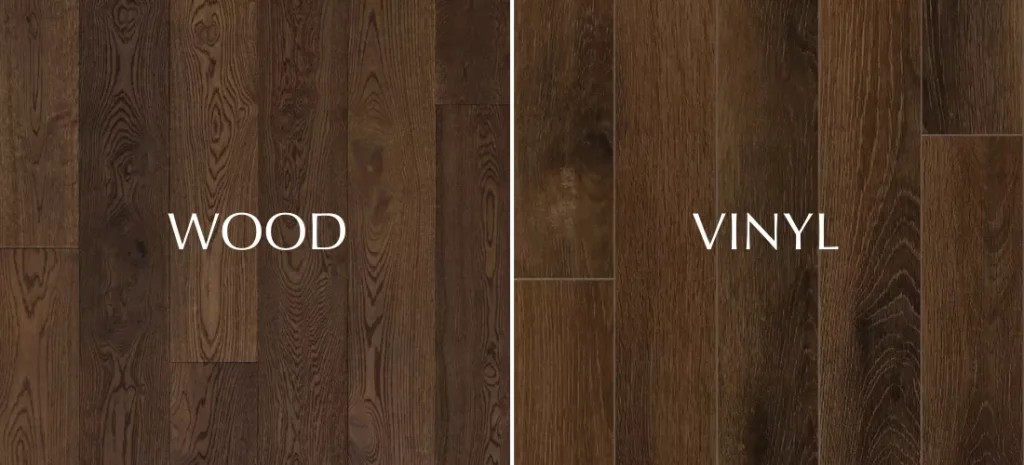
Parquet vs Vinyl Flooring in Singapore (2025): Choosing the Right Option for Your Home    Flooring is one of the most defining elements of a home. It shapes the way a space looks, feels, and functions every day. Whether you are renovating an HDB flat, condominium or landed property, the debate often comes down to two popular choices: parquet flooring and vinyl flooring. Both have strong advantages, and both can dramatically transform a room, but they are entirely different materials and serve different needs. This guide breaks down parquet and vinyl flooring in detail, includes real installation costs in Singapore, explains where each material performs best, and provides practical renovation considerations based on common issues homeowners face here.   What is Parquet Flooring? Parquet flooring is a natural wood surface made by arranging small pieces of timber into geometric patterns. Common designs include herringbone, chevron, basketweave, and brick-style layouts. Because parquet is made from real wood, it gives a level of warmth and character that synthetic flooring can rarely match. Many older HDB flats and black-and-white houses feature parquet flooring, which is one reason it is often associated with heritage and luxury.     Parquet Price Range in Singapore Costs vary based on the type of wood, thickness, and pattern complexity. Below is the current industry pricing: Mid-range engineered or basic wood parquet: approximately S$50 to S$120 per square metre High-end solid wood parquet or unique woods: approximately S$120 to S$200+ per square metre These prices do not include polishing or refinishing, which many homeowners eventually need. The appeal of parquet is long-term value. A floor that can be sanded and revarnished multiple times has a lifespan that can stretch across decades.     Pros of Parquet Flooring Natural beauty that ages well over time Can be restored, polished or refinished instead of replaced Adds value and a premium look to a property Suitable for bedrooms and formal living spaces where a calm, warm effect is desired     Cons of Parquet Flooring Sensitive to Singapore’s humidity, spills and water exposure Requires more maintenance and polishing Installation takes more time and typically costs more Not ideal for kitchens, bathrooms or heavy-use rental units   What is Vinyl Flooring? Vinyl flooring is a modern, synthetic material made from PVC and designed to replicate wood, tile or stone surfaces. Unlike parquet, which takes on the natural temperament of wood, vinyl is engineered to resist moisture and scratches and maintain its look without much upkeep. Vinyl has grown rapidly in popularity across Singapore as renovation budgets tighten and homeowners prefer fast, clean installation.       Vinyl Price Range in Singapore Singapore vinyl suppliers and contractors generally advertise prices in psf rather than square metres. Typical figures are: Basic vinyl planks or tiles: S$3 to S$5 per square foot (supply only) Full installation packages (material, labour, skirting, site prep): S$6 to S$13 per square foot For a standard 4-room flat (90 to 100 sqm of flooring area), a vinyl flooring installation may total anywhere between S$3,000 and S$7,000 depending on brand, thickness, type of underlayment, and whether floor leveling is required.       Pros of Vinyl Flooring Highly water-resistant, suitable for kitchens and high-moisture areas Quick installation, often possible without hacking old tiles Lower upfront cost than parquet Wide variety of colours, grains and surface textures Very little maintenance required       Cons of Vinyl Flooring Cannot be refinished; must be replaced when worn Lower long-term resale value compared to genuine timber Cheaper vinyl may dent or fade over time Quality varies significantly depending on supplier   Head-to-Head Comparison for Singapore Homes     Cost and Budget Planning Parquet costs multiple times more than vinyl. For homeowners renovating on a budget or furnishing a rental unit, vinyl usually makes far more financial sense. Parquet is more of a lifestyle and design choice and is often selected when the owner plans to stay long-term.     Climate and Moisture Resistance Singapore’s weather is consistently humid, and many homes experience condensation or minor water exposure on the floor. Vinyl naturally handles moisture well, while parquet requires careful maintenance to prevent swelling, warping or gaps.     Installation Time and Renovation Timeline If you have a strict key collection-to-move-in timeline, vinyl is usually the preferred option. Overlay vinyl installation can be completed quickly and often without hacking, reducing dust, downtime and noise. Parquet, especially patterned layouts, requires more precise and slower workmanship.     Design Expression Parquet gives a home depth, texture and heritage character. Vinyl gives flexibility and allows you to adopt a Scandinavian look, a modern minimalist theme or even a dark industrial interior without committing to the cost of real timber. For some clients, vinyl is used throughout most rooms while parquet is reserved for a master bedroom to create a feature zone.   Practical Renovation Tips for Singapore Homeowners 1. Consider Overlaying Instead of Hacking Many Singapore homeowners overspend on hacking old floors. If tiles are structurally sound, they can often be overlaid with vinyl directly. This saves cost, shortens renovation time and avoids problems such as tile waste disposal and floor leveling. 2. Level the Subfloor Before Installation Regardless of material, one of the biggest renovation issues is uneven floors. An unlevel foundation will cause vinyl to click unevenly or parquet to creak. Always ask your flooring contractor whether self-leveling is required before installation. 3. Protect Areas with Direct Sunlight Exposure Flooring installed near balcony doors or full-height windows can fade. Consider window film or additional varnish protection for parquet. For vinyl, ask your supplier whether the product includes UV-resistant coating. 4. Match Skirting to the Flooring A common mistake in Singapore renovations is pairing vinyl floors with ceramic-tile skirting. For a clean and cohesive look, always select matching vinyl skirting or painted timber skirting together with the new floor. 5. Ask About Warranty and After-Care Cheap vinyl often comes with little to no installation warranty. For parquet, understand polishing frequency and the approximate cost of future maintenance, which

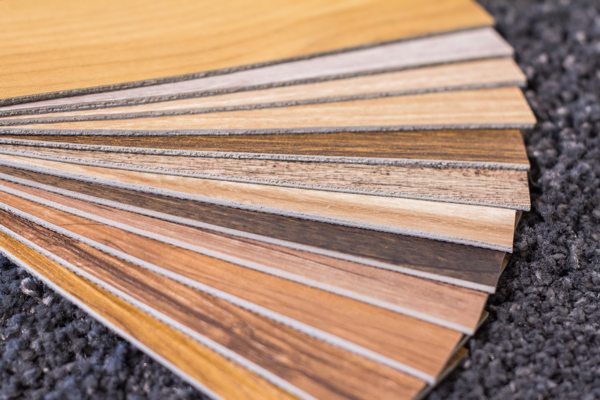
Wood look vinyl plank flooring samples with natural finishes
Blogs

Ultimate guide to understanding Types of Vinyls

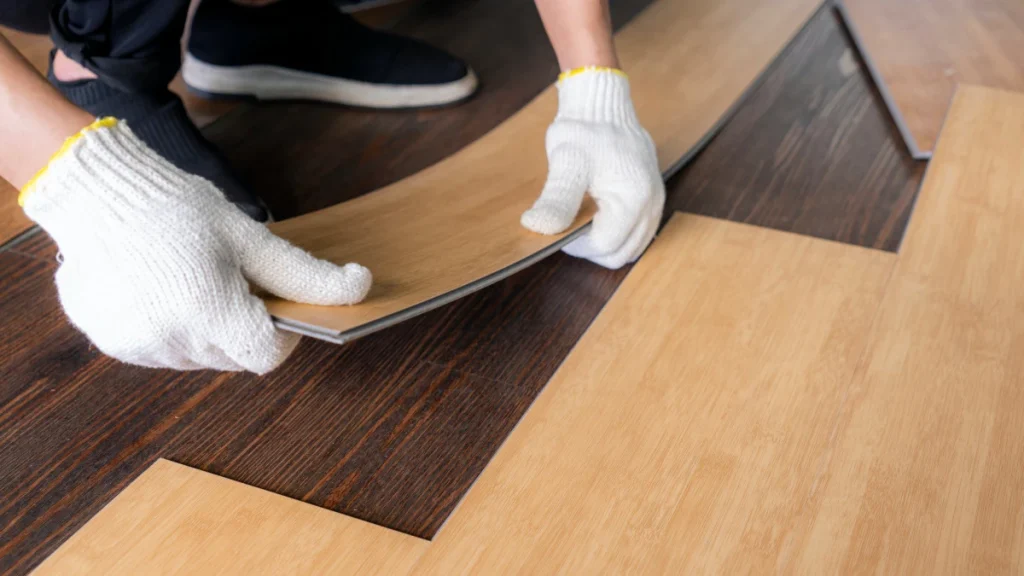
The Ultimate Guide to Understanding Types of Vinyl Flooring in Singapore     Introduction to Vinyl Flooring You probably already noticed this, Vinyl flooring is a popular choice for residential and commercial spaces in Singapore due to its durability, water resistance, and easy maintenance. Vinyl flooring in Singapore is especially valued for its versatility, affordability, and the wide variety of styles available, making it suitable for the local climate and diverse interior needs. Vinyl flooring is made from polyvinyl chloride (PVC) and is available in various types of vinyl floor, including sheet vinyl, vinyl tiles, and vinyl planks. With its aesthetic appeal and low maintenance requirements, vinyl flooring is an ideal choice for homes, offices, and commercial spaces. For the best results, especially in complex or high-traffic areas, professional installation is recommended to ensure proper fitting and long-lasting performance. Types of Vinyl Flooring There are many vinyl flooring types, including luxury vinyl tile (LVT), luxury vinyl planks (LVP), and sheet vinyl. Each type of vinyl flooring has its own unique features and benefits, making it suitable for different applications. LVT vinyl flooring, also known as luxury vinyl tiles, offers a thicker wear layer, enhanced durability, and the ability to mimic natural materials like stone or wood, making it ideal for high-traffic areas or homes with pets and children. Vinyl plank and vinyl plank flooring are popular for their realistic wood appearance, waterproof features, and easy installation, making them a great choice for areas prone to moisture such as bathrooms. Vinyl sheets are available in large formats, providing a seamless look and practical solution for both residential and commercial spaces. Understanding the different vinyl flooring types is essential to choose the right one for your space.    Luxury Vinyl Options Luxury vinyl tile (LVT) and luxury vinyl planks (LVP) are high-end vinyl flooring options that offer realistic designs and superior durability, with many luxury vinyl options featuring a thicker wear layer for enhanced protection. They are made with multiple layers, including a wear layer, a vinyl core, and a protective layer, making them highly scratch resistant and resistant to fading. LVT and LVP are ideal for heavy foot traffic areas, such as commercial spaces and high-traffic residential areas. They are also completely waterproof, making them perfect for areas prone to moisture, such as laundry rooms and hospital rooms.   Alternative Flooring Options Vinyl flooring is often compared to other flooring options, such as laminate flooring, hardwood flooring, real wood flooring, and ceramic tiles. While these options have their own advantages, vinyl flooring stands out for its water resistance, ease of maintenance, and aesthetic appeal, especially when compared to real wood, which can be more expensive and less resistant to moisture. Vinyl flooring is also a budget-friendly option, making it an attractive choice for homeowners and commercial owners who might otherwise consider a stone floor for spaces like dining rooms or lounges. Additionally, vinyl flooring is slip resistant and captures the natural beauty of wood and stone, making it a smart choice for areas with heavy foot traffic.   Vinyl Flooring Materials Vinyl flooring is made from polyvinyl chloride (PVC), a durable and versatile material. Some types, such as stone plastic composite (SPC) vinyl flooring, use a mixture of PVC and ground limestone for added rigidity and environmental benefits. The quality of vinyl flooring depends on the type of materials used, with higher quality materials offering superior durability and performance. Vinyl flooring can be made with natural materials, such as stone and wood, to create realistic designs, and natural tones are a popular choice for achieving a modern and elegant aesthetic. The wear layer of vinyl flooring is also an important factor, with a thicker wear layer offering better resistance to scratches and fading, improving overall durability.   Installation Methods There are two main installation methods for vinyl flooring: the glued down method and the floating floor method. Many types of vinyl flooring, such as sheet vinyl and luxury vinyl tile (LVT), are known for their easy installation and easy installation process, making them popular among homeowners looking for a convenient and DIY-friendly option. The glued down method involves applying adhesive to the subfloor. This is also referred to as the ‘glue down’ installation method, which creates a permanent and stable surface that is ideal for high-traffic areas and offers better moisture resistance. The floating floor method involves installing the vinyl flooring over an underlayment. Peel and stick vinyl is another DIY-friendly option that offers a quick and hassle-free installation process, especially suitable for renters or temporary renovations. The choice of installation method depends on the type of vinyl flooring and the condition of the subfloor. Vinyl flooring is also flexible enough to be installed over uneven surfaces, which makes it more forgiving than rigid flooring materials. Some installation methods, such as peel and stick vinyl and floating floors, do not require professional help, making them ideal for DIY projects. However, for more complex installations or high-traffic areas, professional installation is recommended to ensure a flawless finish and long-term durability.   Special Features Vinyl flooring offers several special features, including being a low maintenance floor option with slip resistance, water resistance, and easy maintenance. Some vinyl flooring options also come with additional features, such as antimicrobial properties and sound insulation. Vinyl flooring is also comfortable underfoot, making it an ideal choice for areas with heavy foot traffic. With its endless design possibilities, vinyl flooring can be used to create a unique and stylish space.   Choosing the Right Vinyl Flooring When you choose vinyl flooring, it’s important to consider several factors, including the type of space, foot traffic, and personal preference. It’s essential to consider the different types of vinyl flooring, including LVT, LVP, and sheet vinyl, to choose the right one for your space. The wear layer, material quality, and installation method are also important factors to consider. Additionally, it’s crucial to choose a vinyl flooring that is water resistant, slip resistant, and easy to maintain.   Vinyl Flooring Designs

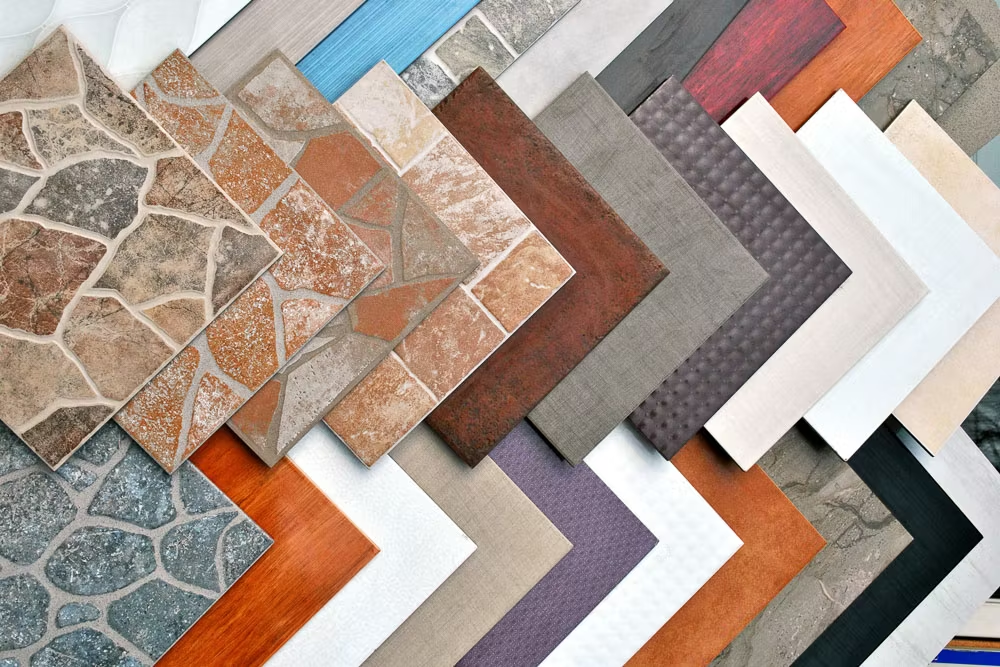
Tile and vinyl flooring material samples for comparison
Blogs

Tile vs Vinyl: A Practical Comparison

Tile vs Vinyl: A Practical Comparison for Your Flooring Decision     Introduction to Flooring Options When comparing flooring types for your home, one of the most common debates is tile vs vinyl flooring—two of Singapore’s most frequently chosen flooring options. Both vinyl flooring and ceramic tiles have evolved significantly over the years, offering homeowners modern designs, better durability, and more choices than ever. Understanding the key differences between vinyl flooring, ceramic tiles, and porcelain tiles helps you make a smart, long-term flooring decision. Today, many homeowners explore reliable suppliers like LNFLOORING for high-quality vinyl flooring, luxury vinyl flooring, vinyl tiles, vinyl planks, and luxury vinyl planks, especially due to their proven vinyl flooring affordability. Meanwhile, others still prefer the long-established durability of tile flooring—including ceramic tiles, porcelain tiles, and even homogenous tiles. Both categories offer unique strengths: Ceramic tiles and porcelain tiles are known for being incredibly durable, long-lasting, and highly resistant to impact, scratches, and heat. Vinyl flooring, whether sheet vinyl, vinyl plank flooring, luxury vinyl tiles, or vinyl tile flooring, is loved for its water resistance, comfort, easy installation, and softer underfoot feel. To choose the right flooring, it’s essential to understand material composition, installation process, installation costs, material costs, ongoing maintenance requirements, and suitability for moisture-prone areas. Material Composition and Costs Vinyl Flooring Composition Vinyl flooring is made from synthetic materials, primarily polyvinyl chloride (PVC). Most types—including sheet vinyl flooring, luxury vinyl tiles, vinyl tiles, and vinyl planks—contain a printed design layer that mimics natural materials like: natural wood hardwood flooring natural stone This makes it a highly versatile flooring option for homeowners who want premium aesthetics without premium pricing. Luxury vinyl, luxury vinyl planks, and luxury vinyl tiles are especially popular today for their ability to resemble high-end materials closely while staying affordable. Tile Flooring Composition Ceramic tiles, porcelain tiles, and porcelain and ceramic tiles mixtures are made from natural earth clays or natural earth clays mixed with other materials. Porcelain tiles undergo a higher firing temperature, making them: more highly resistant more incredibly durable better at water and heat resistance Tile flooring is also available in various forms, including tiny mosaic tiles, large-format tiles, and homogenous tiles, catering to diverse design preferences.       Material Costs Vinyl flooring affordability remains one of its strongest advantages: Vinyl flooring: $2 to $10 per square foot Sheet vinyl / vinyl sheets: also within this range Luxury vinyl flooring: slightly higher depending on thickness On the other hand: Ceramic tiles typically cost $3 to $20+ per square foot Porcelain tiles tend to be at the higher end due to density and performance Many homeowners choose LNFLOORING when they want premium vinyl designs at lower square foot rates compared to high-end tiles. Installation Process Vinyl Flooring Installation One of the biggest differences between tile vs vinyl is the installation process. Installation vinyl flooring options—whether vinyl plank flooring, vinyl tiles, vinyl tile flooring, or sheet vinyl—are extremely user-friendly. Features like: click lock edges floating floors minimal need for specialized tools make them ideal for DIY projects or fast professional installation. This ease of installation is another reason many renovators choose LNFLOORING vinyl flooring products. Tile Installation Ceramic tile installation and porcelain tile installation are more complex. These processes require: cutting tiles with specialized tools preparing the subfloor laying tiles using thin set adhesive aligning patterns managing grout lines Installing tiny mosaic tiles takes even more precision. As a result, the installation process is slower, more technical, and rarely suitable for DIY homeowners.   Installation Costs Because vinyl is easier to install, installation costs are significantly lower: Vinyl flooring installation: $1 to $4 per square foot Sheet vinyl flooring is often the cheapest due to less cutting required Tile flooring is more labor-intensive: Ceramic tile installation: $5 to $17 per square foot Higher for complex tile patterns or large porcelain tiles Budget-conscious homeowners frequently choose vinyl flooring, vinyl planks, or luxury vinyl from LNFLOORING to reduce both material costs and installation costs. Flooring Characteristics   Vinyl Flooring Characteristics Vinyl flooring is loved for being: water resistant comfortable and softer underfoot easy to maintain suitable for moisture prone areas Products like vinyl sheets and sheet vinyl flooring also minimize seams, reducing water seepage and making cleaning easier. Tile Flooring Characteristics Ceramic tiles and porcelain tiles are the definition of a durable material, offering: extremely durable, incredibly durable performance strong heat resistance excellent water and heat resistance long life expectancy ability to handle heavy furniture With tiles, proper maintenance includes regular cleaning and periodic sealing, especially when grout lines are exposed. Design and Style Options Vinyl Design Options Thanks to advanced printing, luxury vinyl flooring, luxury vinyl planks, and luxury vinyl tiles can replicate the realistic appearance of: natural stone natural wood hardwood flooring This makes vinyl one of the most aesthetic and versatile flooring types, especially in homes pursuing modern interior themes. Many customers prefer LNFLOORING because of its premium style selection and high-quality printed layers. Tile Design Options Tiles provide classic beauty that is difficult to replicate. With ceramic tiles, porcelain tiles, and tiny mosaic tiles, homeowners get: detailed patterns textured surfaces natural variations timeless appeal Tile flooring is often chosen in areas where homeowners want an elegant, long-lasting finish. Budgeting and Cost Considerations When planning your renovation, it’s important to consider: material costs installation costs maintenance effort how long each material lasts resale value Vinyl Flooring Budget Vinyl flooring is more affordable upfront. However, even though it is water resistant, it may not last as long as porcelain and ceramic tiles. Tile Flooring Budget Tiles can cost more initially but offer better longevity. Porcelain tiles, especially, are designed to last decades. Your final cost will depend on whether you select: vinyl tiles vinyl planks sheet vinyl ceramic tiles porcelain tiles Decision-Making and the Right Flooring Choice Choosing the right flooring depends on lifestyle, usage, and budget. Choose Vinyl If You Want: low maintenance flooring a comfortable softer underfoot feel water resistant and suitable for kitchens easy installation or DIY

Posts

Ultimate Guide to Understanding SPC Vinyl Flooring

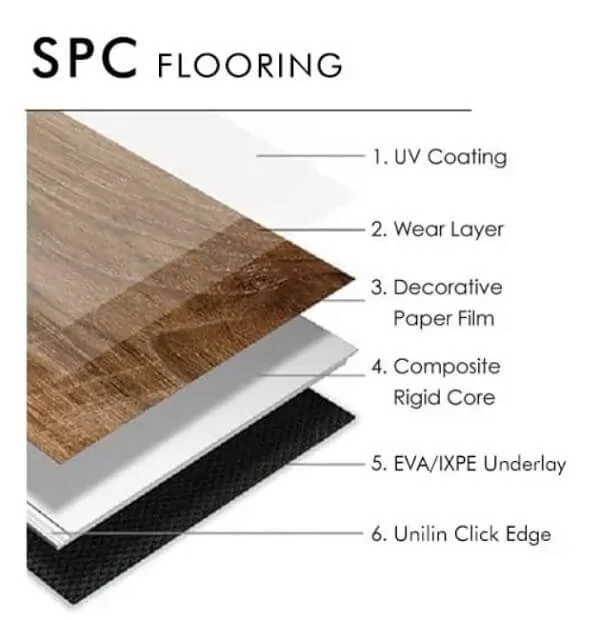
Ultimate & Simple Guide to Understanding SPC Vinyl Flooring in Singapore (2025 DEC) Introduction to Rigid Core Vinyl Flooring  Rigid core vinyl flooring, also known as SPC flooring, is a type of luxury vinyl flooring that features a stone plastic composite (SPC) core, which provides enhanced durability and stability. SPC flooring is ideal for residential and commercial spaces in Singapore due to its high durability and water resistance. It is made from limestone powder, polyvinyl chloride, and stabilizers, making it a great option for humid climates. SPC flooring is specifically designed to withstand Singapore’s humid weather, making it a practical and long-lasting choice for local homeowners. SPC flooring offers a realistic wood or stone look, making it a popular choice among homeowners and designers. Benefits of SPC Flooring SPC flooring offers many benefits, including high durability, highly water resistant properties, and low maintenance. It is highly water resistant, making it perfect for kitchens, laundry areas, and other spaces prone to moisture, though it is not meant for continuous exposure to water in bathrooms. SPC flooring is also highly resistant to denting and scratching, making it ideal for heavy foot traffic areas. Its rigid core provides excellent dimensional stability, ensuring that the flooring remains stable and flat over time. Overall, SPC vinyl flooring offers unique advantages over other flooring types, such as superior water resistance, durability, and versatility across various environments. Understanding Vinyl Flooring Vinyl flooring is a popular choice for many homeowners due to its durability, versatility, and affordability. There are several types of vinyl flooring, including luxury vinyl tile (LVT) and stone plastic composite (SPC) flooring. LVT flooring is known for its soft underfoot feel and design versatility, while SPC flooring is prized for its high durability and water resistance. When considering spc vs other flooring types such as WPC, it’s important to compare their core technologies, performance, and suitability for different environments. Both types of flooring are suitable for residential and commercial spaces, but SPC flooring is generally more durable and long-lasting. Compared to traditional tiles, SPC vinyl flooring offers similar durability and water resistance, making it a strong alternative for areas like kitchens and bathrooms. How Rigid Core is Made The rigid core of SPC flooring, also known as Stone Plastic Composite or Stone Polymer Composite, is engineered for exceptional strength and stability. This core is created by blending finely ground limestone powder with polyvinyl chloride (PVC) and stabilizers, resulting in a dense plastic composite that forms the backbone of the flooring. During manufacturing, these materials are thoroughly mixed and then pressed into a solid, rigid core. This core is then layered with a high-performance wear layer for extra protection, a decorative layer that beautifully mimics natural materials like wood and stone, and a sturdy backing layer for added support. The result is a multi-layered flooring product that offers outstanding dimensional stability and durability, making it an excellent choice for both commercial spaces and busy residential areas. The unique composition of the rigid core ensures that SPC flooring can withstand daily wear, resist dents, and maintain its appearance even in high-traffic environments. Choosing the Right Flooring Option When choosing the right flooring option, it’s essential to consider factors such as durability, maintenance, and budget. SPC flooring is an excellent choice for high-traffic areas, such as commercial spaces, due to its high durability and water resistance. LVT flooring, on the other hand, is ideal for residential spaces where a soft underfoot feel is desired. It’s also important to consider the thickness of the flooring, as well as the quality of the wear layer and the multiple layers that make up the flooring. Additionally, choosing reputable SPC manufacturers is important, as they often provide warranties and ensure high product quality. Comparison of Flooring Options SPC flooring and LVT flooring are both popular options, but they have some key differences. SPC flooring is generally more durable and water-resistant than LVT flooring, making it ideal for high-traffic areas and humid climates. LVT flooring, on the other hand, is known for its design versatility and soft underfoot feel. Laminate flooring is another option, but it is generally less durable and less water-resistant than SPC and LVT flooring. Where to Use SPC Vinyl Flooring SPC vinyl flooring is a versatile solution that adapts effortlessly to a wide range of environments. Its robust construction makes it ideal for both residential and commercial spaces, especially in areas that experience heavy foot traffic. Whether you’re outfitting living rooms, kitchens, or laundry areas, SPC flooring can handle the demands of daily life with ease. Thanks to its completely waterproof nature, it’s also a smart choice for moisture-prone spaces like bathrooms and kitchens. The realistic wood and stone designs available in most SPC flooring collections allow you to create a natural, elegant look in any room, while enjoying the benefits of a durable, low maintenance surface. Many homeowners and businesses in Singapore appreciate SPC vinyl for its long lifespan and ability to maintain its beauty and performance in various environments, making it an excellent choice for those seeking both style and practicality. Withstanding Heavy Furniture SPC vinyl flooring is engineered to handle heavy foot traffic as well as heavy furniture, making it an excellent choice for commercial spaces and residential areas with heavy use. Its rigid core and high-quality wear layer provide excellent resistance to denting and scratching. SPC flooring is also highly resistant to temperature fluctuations, ensuring that it remains stable and flat over time. This makes it an ideal choice for areas with heavy furniture, such as living rooms and dining rooms. Luxury Vinyl Flooring Luxury vinyl flooring, including SPC and LVT flooring, is a popular choice for many homeowners due to its durability, versatility, and affordability. It is available in a wide range of designs and styles, making it easy to find a flooring option that suits any decor. Luxury vinyl flooring is also highly resistant to water and humidity, making it ideal for kitchens, bathrooms, and laundry areas. Its soft underfoot feel and

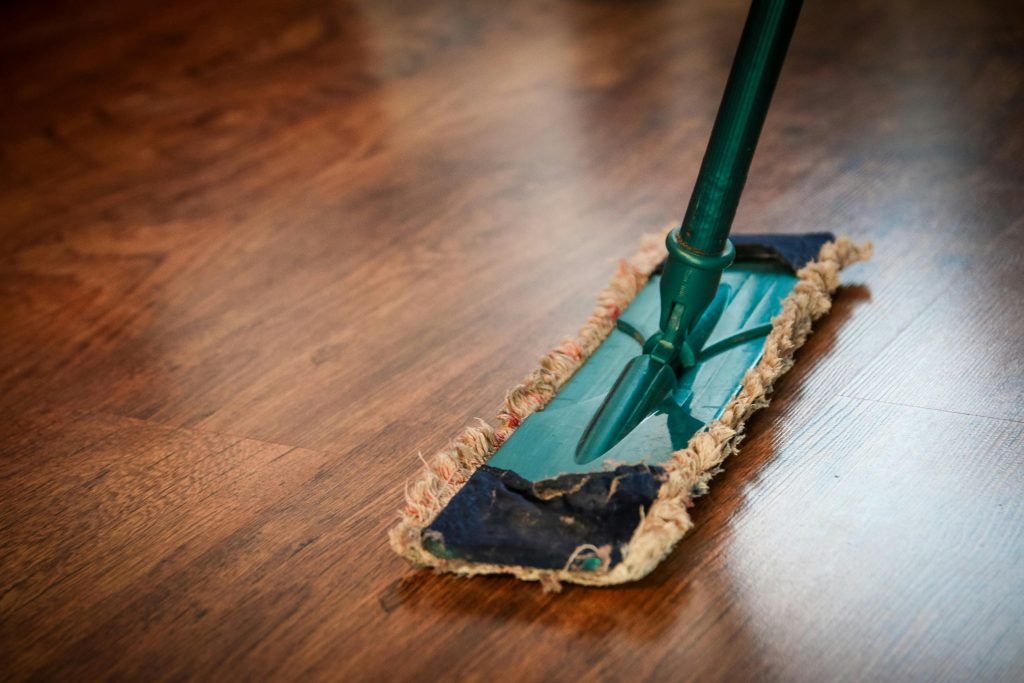
A detailed view of a mop cleaning a wooden floor, showing texture and pattern.
Blogs

How to Clean Vinyl Flooring

Share the Post: How to Clean Vinyl Flooring: The Ultimate Guide for Easy Maintenance    Introduction to Vinyl Flooring   Vinyl flooring is a popular choice for many homeowners due to its durability, versatility, and low maintenance requirements. Learning how to clean vinyl flooring properly ensures that your floors remain in pristine condition for years. Understanding the unique structure of vinyl floors, including the protective wear layer, helps prevent damage during regular cleaning and maintain vinyl flooring effectively. Vinyl flooring is ideal for high traffic areas like kitchens, bathrooms, and busy households because of its ability to withstand cleaning vinyl flooring routines, frequent spills, and daily use. Regular cleaning, routine maintenance, and the right cleaning solution play a major role in preventing dirt buildup and preserving your vinyl surface.     Understanding Vinyl Flooring   Vinyl flooring has become a favorite among homeowners thanks to its impressive combination of durability, affordability, and modern style. Unlike natural materials, vinyl floors are crafted from advanced synthetic layers that create a resilient, water-resistant surface. This construction allows vinyl flooring to closely replicate the appearance of natural wood, stone, or tile, offering a wide range of patterns, colors, and finishes to suit any décor. Because vinyl floors are engineered for both beauty and practicality, they’re a smart choice for busy households and a variety of living spaces. Understanding the unique makeup of vinyl flooring helps you choose the right cleaning methods and products, ensuring you maintain vinyl flooring in top condition for years to come.     Preparation: What You Need Before Cleaning Vinyl Floors   Remove Loose Dirt First   Before cleaning vinyl flooring, always start by removing loose dirt and debris using a vacuum cleaner, soft-bristle broom, or soft bristle broom. Sweeping or vacuuming regularly helps prevent scratches and keeps clean vinyl floors looking fresh. This also ensures your cleaning solution works more effectively.     Choose the Right Cleaning Solution Use a mild cleaning solution such as: Warm water pH-neutral cleaners Mild dish soap A vinyl-safe cleaning solution Apple cider vinegar (diluted with water) — effective for removing dirt and stains while being gentle on vinyl Avoid using harsh chemicals, abrasive cleaners, or anything that can weaken the protective layer or cause adhesive failure. Apple cider vinegar can help remove dirt and bacteria from vinyl flooring, making it a safe and natural choice for routine cleaning.   Prepare Your Tools You will need: Microfiber mop Damp cloth or dry cloth Microfibre cloth Bucket of warm water Gentle floor cleaners Soft brush or non-abrasive scrubber Proper preparation ensures a more effective and careful cleaning routine.   Step-by-Step Cleaning Methods for Vinyl Flooring    1. Light Cleaning (Daily / Weekly) For routine cleaning: Sweep or vacuum to remove loose dirt. Use a damp mop with a mild cleaning solution. Avoid excess moisture because too much water can seep into seams and cause mold growth or floor dip issues. A microfiber mop is recommended to gently clean vinyl without scratching the surface. 2. Standard Cleaning Method To maintain vinyl flooring: Mix warm water with a pH-neutral cleaning solution. Mop the floor in gentle motions. Rinse the mop regularly to avoid spreading dirt. This cleaning routine keeps the floor fresh in everyday life and prevents long-term damage.   3. More Intensive Cleaning If you notice stubborn dirt or dull appearance: Use a gentle soft brush to gently scrub the vinyl surface, focusing on tough stains while using gentle techniques to avoid damage. Apply only light pressure to avoid scratching the vinyl surface. Do not use abrasive scrubbers, steel wool, or abrasive tools. This method helps maintain proper maintenance without harming the wear layer.     Deep Cleaning Vinyl Flooring   When to Deep Clean   Deep cleaning is necessary when: Dirt buildup becomes visible The floor looks dull There are stains or sticky spots Use a stronger but safe cleaning solution, warm water, and a soft-bristle brush to remove stubborn dirt. Using Baking Soda for Stubborn Dirt   Make a baking soda paste (mix baking soda + warm water) to treat stubborn stains, including: Food stains Scuff marks Greasy patches Apply the soda paste, let it sit for a few minutes, then wipe it away with a damp cloth. Avoid aggressive or abrasive cleaning tools when scrubbing. Removing Ink Stains & Difficult Marks   For ink stains: Apply a small amount of rubbing alcohol Scrub gently Wipe with a damp cloth Use only vinyl-safe cleaning solutions to ensure you remove stubborn stains without damaging the vinyl surface.   Common Stains: How to Remove Each Type    Food Stains Use a mild cleaning solution and microfiber mop.If needed, apply baking soda paste and scrub gently. Grease & Oil Stains Warm water + mild dish soap works well.Avoid harsh chemicals, as they can fade the vinyl. Ink & Dye Stains Use rubbing alcohol on a cotton cloth, then rinse with warm water. Water Spots & Excess Moisture Marks Dry thoroughly with a microfiber or dry cloth to prevent streaks.   Avoiding Damage During Cleaning   Do NOT Use Harsh Chemicals   Avoid products like: Bleach Ammonia Abrasive cleaners Strong solvents These can cause discoloration and degrade the wear layer. Avoid Abrasive Cleaning Tools Do not use: Steel wool Abrasive scrubbers Hard brushes Steam cleaners Steam mops These can damage the vinyl surface, weaken adhesive, and cause mold growth.   Protecting Your Vinyl Floor To prevent scratches: Use felt pads under furniture legs Avoid dragging heavy objects Wipe spills immediately Protect the surface from direct sunlight to prevent fading   Drying the Vinyl Floor Properly After cleaning: Use a microfiber cloth to dry the floor. Avoid leaving excess water that may cause damage. The drying process is crucial: allow the flooring to air dry completely, or use fans to speed up drying and ensure the floor is fully dry to prevent residue or damage before walking on it. Proper drying prevents streaks, mold growth, and warping.   Maintenance & Upkeep for Long-Lasting Vinyl Floors   Routine Maintenance