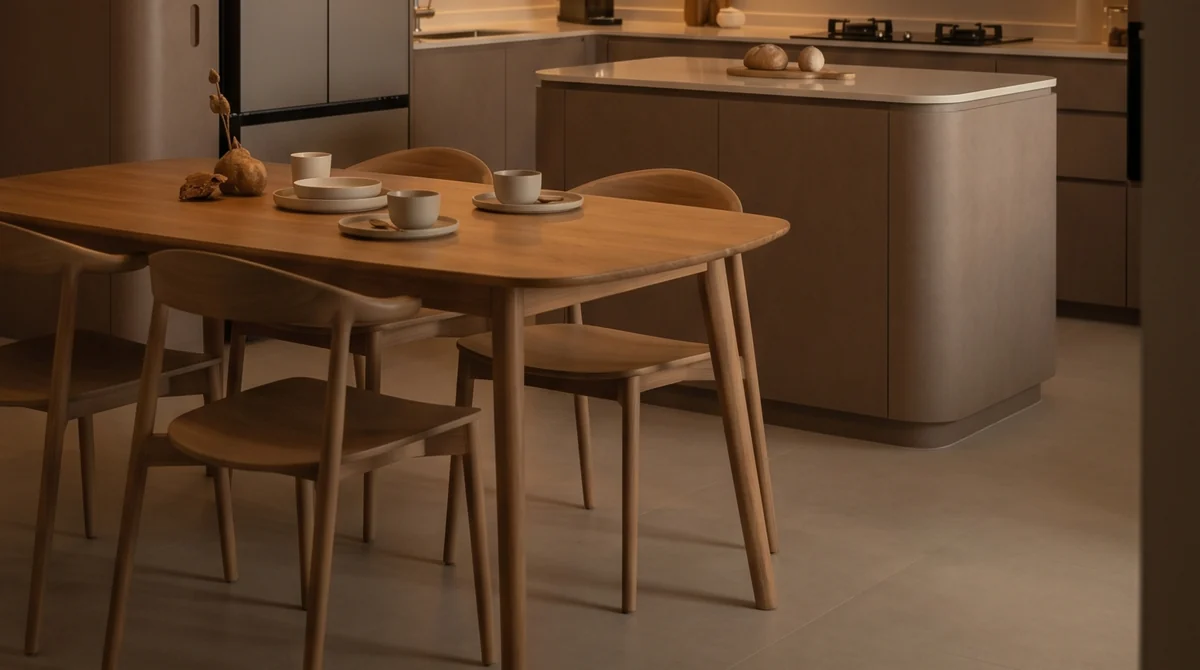
Vinyl and tiles are the two floors almost every Singapore homeowner ends up choosing between. Both are popular, both suit our climate, but they age very differently. We supply and install both, so we have no stake in which one you pick. Here is the honest head-to-head on lifespan, maintenance, comfort, ten-year cost and resale value, whether you are doing the whole home in one material or zoning it room by room. If you already know you want tile, you can go straight to our tile supply and installation service.
Vinyl vs tiles, head to head
Tap a factor to see how each material scores
Lifespan: tiles edge it, but not by as much as you think
How long before you would realistically redo the floor
Comfort: vinyl wins underfoot
Warmth, softness and quiet in daily living
Upkeep: a wash either way, with one catch
Cleaning, grout and long-term care
Cost: vinyl is cheaper to lay, tile is priced per project
Supply, install and the preparation work underneath
Water: both cope, the wet room decides
Spills, humidity and floor traps
So which should you choose?
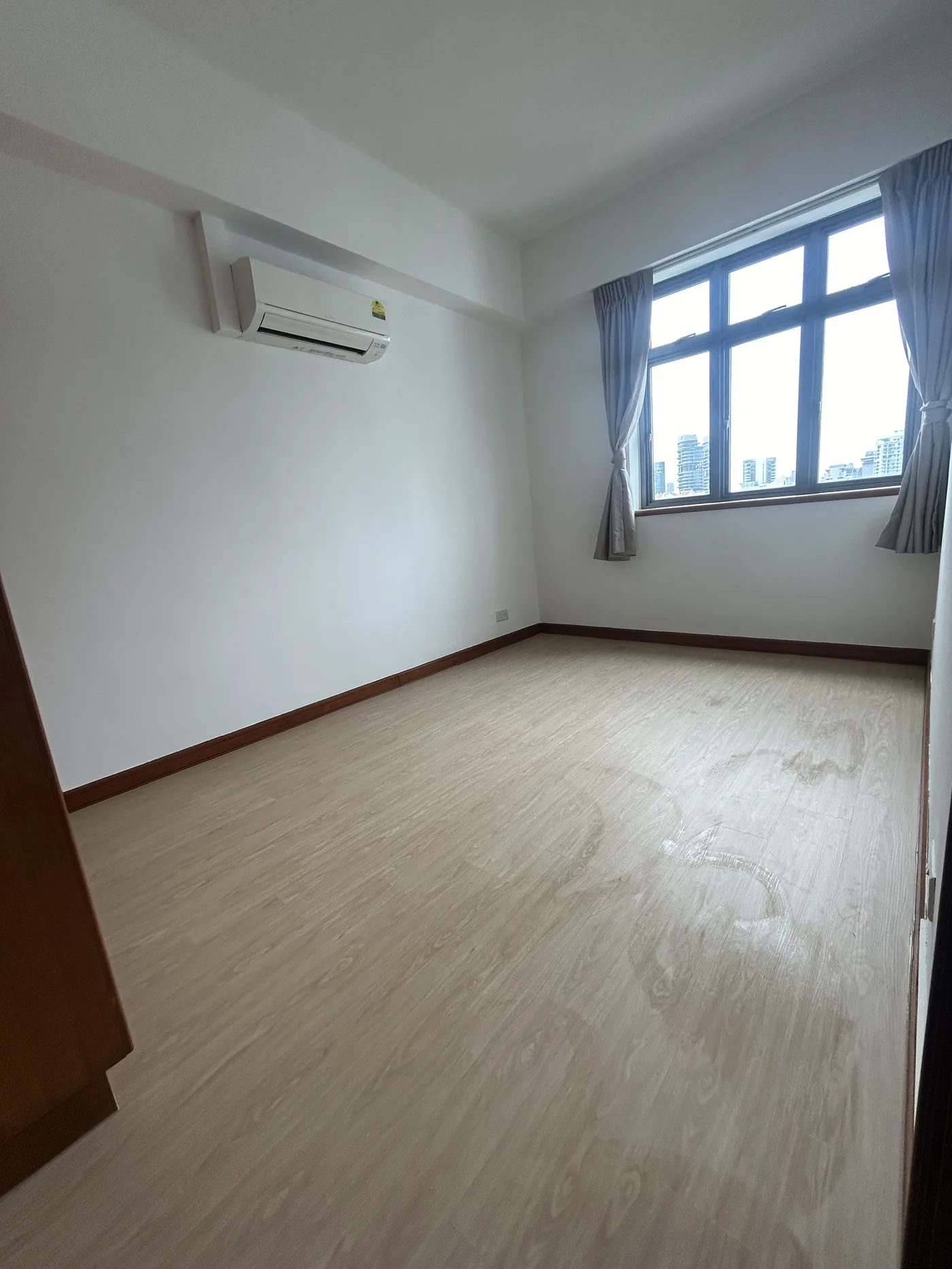
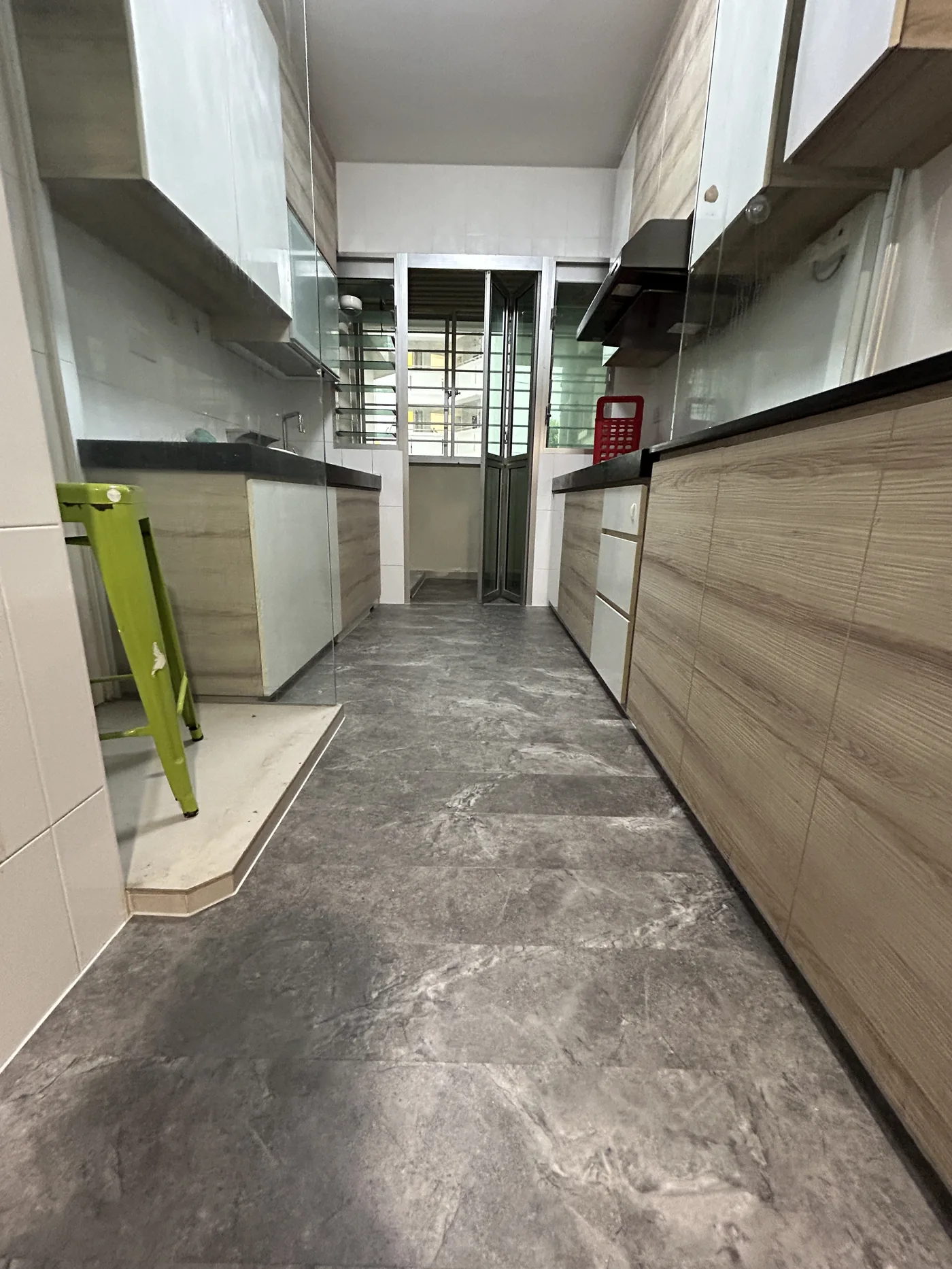
There are three sensible answers and we install all three. Vinyl throughout suits you if comfort, speed and budget lead, and if overlay means you can skip hacking altogether. Tile throughout suits you if you want the longest-lived floor, a cooler surface in our climate, and the design range that only tile gives you: large-format porcelain, stone looks, patterned floors, feature walls. A mix, zoned by room, is what a lot of our HDB and condo clients land on, usually vinyl in the living and sleeping areas and tile in the kitchen and bathroom.
The one rule that is not a preference: a bathroom, shower or wet kitchen with a floor trap needs tile over a proper waterproofing membrane. Everything else is a judgement call about how the floor should feel and how long you want it to last. Our tile supply and installation page covers the ranges we carry and the rooms we tile, from whole-home floors to feature walls.
The resale question
Homeowners often ask which floor adds more value on resale. The honest answer is that neither moves a valuation much by itself. Buyers respond to a floor that looks clean, modern and well kept, far more than to the material beneath it. A fresh wide-plank or herringbone vinyl floor reads as renovated and move-in ready, while cracked or dated tiles read as work still to be done. Condition and style decide the impression, not the vinyl-versus-tile label.
One crew for both materials. We supply and install LVT vinyl and tile under one roof, so there is no juggling separate contractors whether you are doing a whole home in one material or zoning a flat. The two differ significantly on warranty. Every LN vinyl series carries our own 25-year material warranty. Tile, by contrast, carries no product warranty: we supply and install it but are not the manufacturer, and the porcelain and ceramic we source are supplied without one. Buyers who prioritise long-term product cover should weigh this in vinyl's favour.
Quick comparison
| Factor | Vinyl (LVT) | Tiles (porcelain) |
|---|---|---|
| Lifespan | 15 to 20 years | 20 years or more |
| Comfort underfoot | Warm, soft, quiet | Firm, cool, more echo |
| Cost (supply & install) | S$3.20 to S$4.90 psf | Quoted per project |
| Install & downtime | Fast, often no hacking | Slower, hacking & screed |
| Upkeep | Mop, no grout | Mop, grout needs care |
| Best rooms | Whole home, best in living & bedrooms | Whole home, and the only choice in wet rooms |
Read next
Set on vinyl? Start with our vinyl flooring buyer's guide and the full HDB cost breakdown. Leaning towards tile? See our tile range and installation service. Doing a wet area? Our kitchen and bathroom flooring guide covers when to tile and when to use vinyl. You can also browse the six LN vinyl series, see real installed projects, or message us for a free site visit.