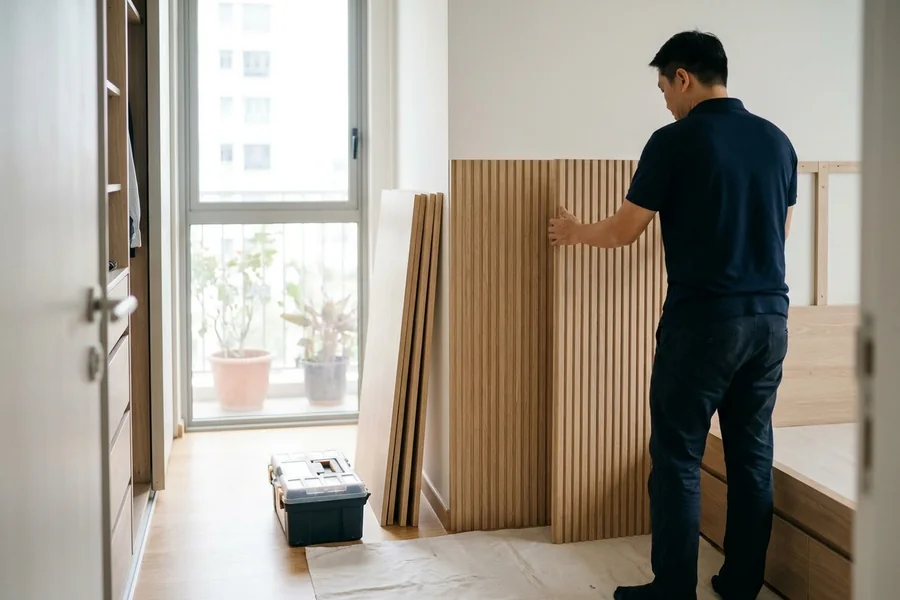
There are three ways to make one wall in your home look different from the others, and a contractor who only offers one of them will tell you it is the best. We fit two of the three and not the third, so this comparison includes the cases where the one we do not sell is the right answer.
The three routes, side by side
| Time on site | Mess | Reversible | What you get | |
|---|---|---|---|---|
| Paint | A day | Minimal | Completely | Colour, and nothing else. Which is sometimes exactly right. |
| Panelling | Usually one day | Low. No hacking, no wet trade. | Yes, with making good | Depth, shadow and texture that paint cannot produce. |
| Tile | Several days with curing | High. Adhesive, grout, dust. | Not realistically | A real material change, and the only option for a wet wall. |
When paint is the right answer
If what you actually want is colour, paint it. A dark accent wall costs a fraction of the alternatives, takes a day, and can be undone in another day when you tire of it. We do not do painting, and we still say this to people who call us about panelling, because a panelled wall in a colour you regret is a much more expensive mistake.
Paint is also the honest answer for a rental. Panelling a wall you do not own means either leaving it behind or making good at the end of the tenancy.
When panelling earns its cost
Panelling buys you one thing paint cannot: relief. Light falls across a fluted or slat profile and produces shadow that changes through the day, and that is a different effect from any flat colour.
The practical case is just as strong. Panels go over a sound, level existing wall, so there is no hacking, no wet trade and very little dust, and a single feature wall is usually a one-day job. The traditional way to get the same depth was carpentry, a stud frame with boards, filler, sanding and paint, which takes about a week and eats floor area.
The material caveat matters in Singapore. We fit SPC and PVC composite only, never MDF core: an absorbent core swells at a cut edge once moisture reaches it, and the face lifts. That is covered properly in our fluted wall panel guide.
The range we fit: Vellera, four series
Twenty-six finishes. Groove fluted battens at 2800×168×23mm, Element and Linear large-format sheets at 2600×950×4mm, and Compact flat tile at 610×305×5mm. A few of them:
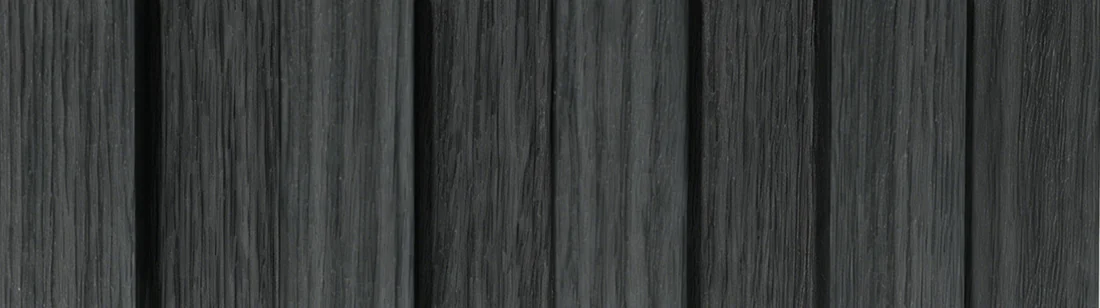
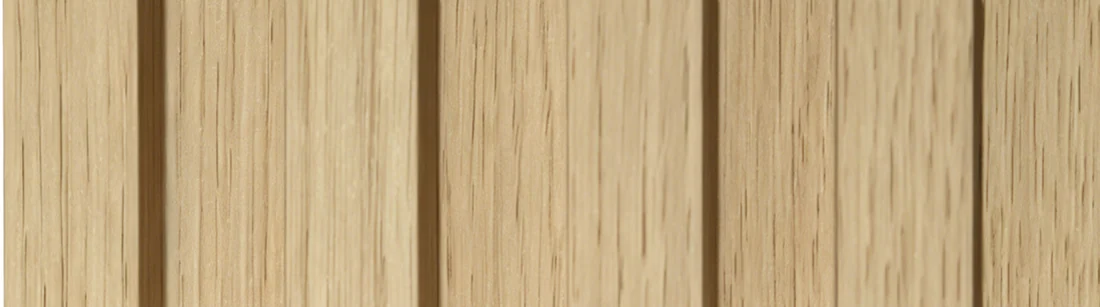
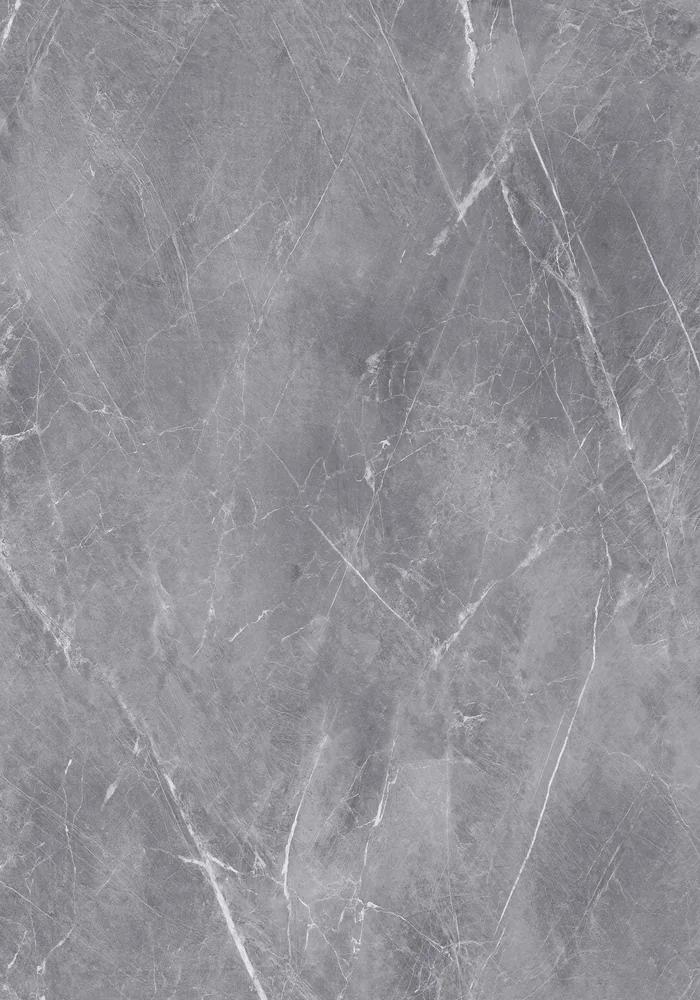

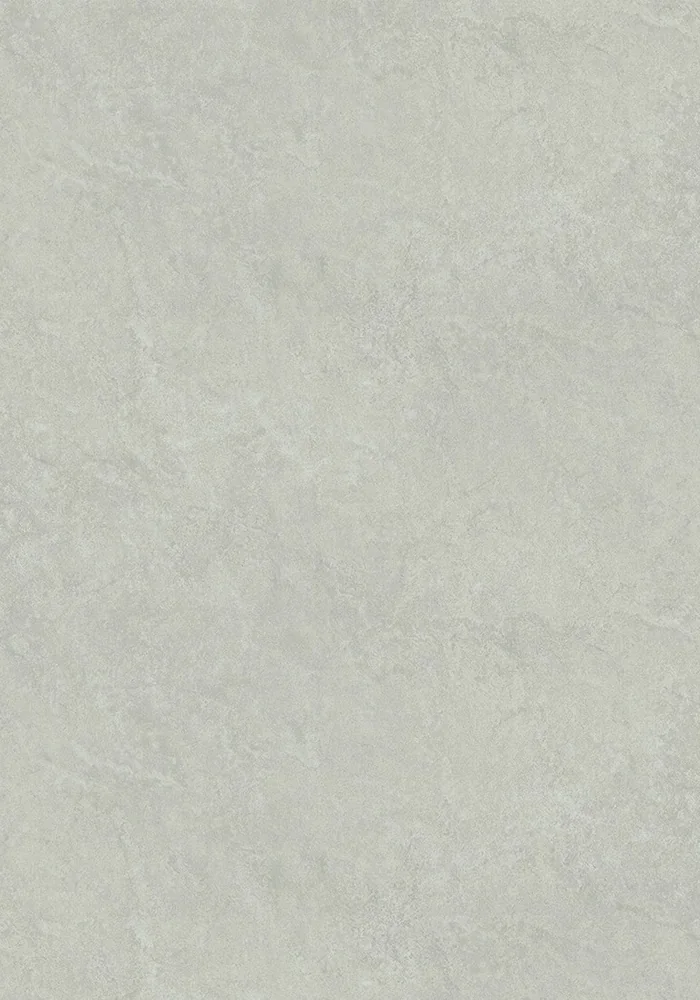
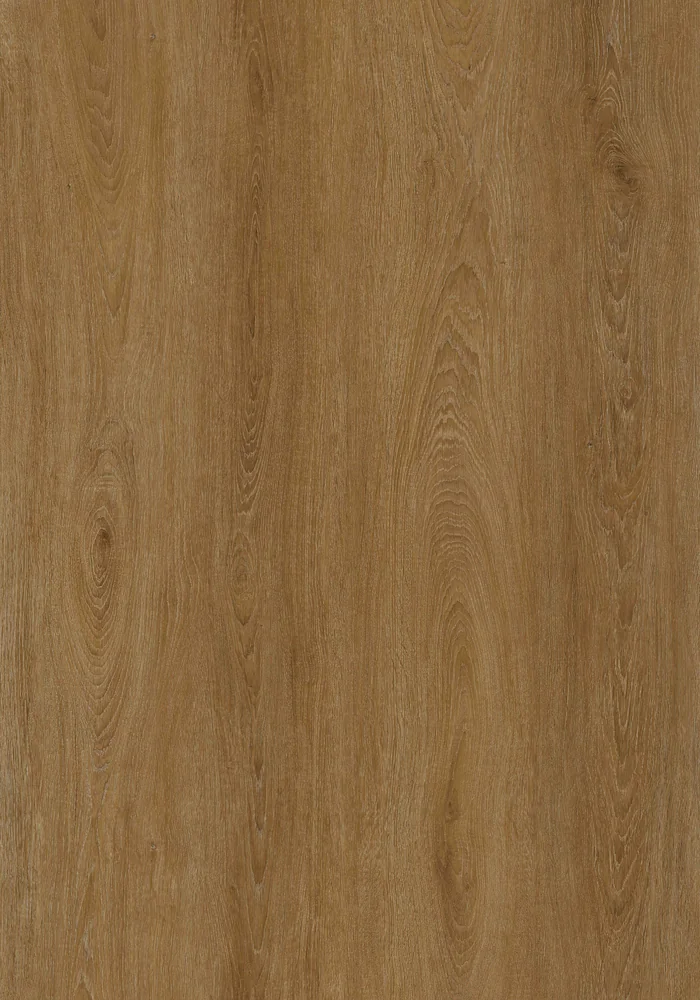
See all twenty-six finishes. Tap any one for the detail and a quote naming it.
When tile is the only option
Any wall that gets wet. A shower wall, a splashback, a wall in a service yard. A wet area needs a waterproofing membrane on a prepared substrate, and a surface finish applied over an existing wall does not provide that.
Tile is also the answer if you specifically want stone, marble-look or a heavy textured ceramic. It is the most disruptive of the three and the least reversible, so it is worth being sure. Our tile page covers the range, and what a tiling job involves covers the stages.
What resale and tenancy do to the decision
Panelling and paint are both undoable. Tile is not, in any practical sense, without hacking it off. If you are likely to sell or hand back the unit within a few years, that asymmetry is worth weighing, because taste in feature walls moves faster than taste in floors.
What we decline
Inside the unit only. Corridors, lift lobbies and staircases are escape routes with a strict surface flame-spread requirement, and balconies and external walls fall under external-cladding rules. We do not fit combustible panels in either case, regardless of what is being quoted elsewhere.
Which one is right for your wall?
Pick what matters most and we will say which way we would go.
Paint, and we do not fit it
If the goal is a different-looking wall for the least money, paint wins comfortably and can be undone in a day. We say this even though we do not offer it.
Panelling a wall in a colour you regret is a far more expensive mistake than repainting one.
Panelling
Relief and shadow are the one thing paint cannot produce at any price. A fluted or slat profile changes through the day as light moves across it.
Usually a one-day fit over a sound wall, with no hacking and very little dust.
Tile, without question
A shower wall, a splashback or a service yard needs a waterproofing membrane on a prepared substrate. A surface finish over an existing wall does not provide that.
This is not a preference, it is a build-up requirement. See our tiling guide for the stages involved.
Paint, or panel with the end in mind
Panelling a wall you do not own means leaving it behind or making good at the end of the tenancy. Neither is a disaster, but both are worth pricing in.
Ask your landlord first. Some are happy to keep a panelled wall; others will want the wall as it was.
Read next
- Our fluted and slat panel page
- Feature wall design, and how to choose the wall
- TV feature walls, and the cable decisions that come first
- Our tile supply and installation service
Common Questions
Paint, comfortably, and we say that even though we do not offer painting. A dark accent wall costs a fraction of panelling or tile, takes a day, and can be undone in another day. If what you actually want is colour rather than texture, paint it. A panelled wall in a colour you regret is a much more expensive mistake to fix.
Yes, if you pick the right wall and want texture rather than just colour. Panelling buys depth and shadow that paint cannot produce, and it goes over a sound existing wall in about a day with no hacking. The mistake we see most often is not the material but the wall: people panel the wall they face on entering rather than the wall they look at while sitting down.
Paint and panelling both can, with making good afterwards. Tile realistically cannot without hacking it off. If you are likely to sell or hand back the unit within a few years, that asymmetry is worth weighing, because taste in feature walls moves faster than taste in floors.
Not for panelling or paint. Panels are fitted over a sound, level existing wall, which is why a single feature wall is usually a one-day job with very little dust. Tile is different: a tiled wall needs the substrate prepared, and a wet wall needs a waterproofing membrane laid onto it before anything goes on.
Tile and composite panels both handle it well. The material to avoid is an MDF-core panel: MDF has an absorbent core, and once moisture reaches a cut edge the core swells and the face lifts. LN fits SPC and PVC composite only, which have no absorbent wood core, and we decline MDF regardless of how good the veneer looks on day one.
No, and this is one we decline rather than quote. Balconies and external walls fall under external-cladding rules, and common areas such as corridors, lift lobbies and staircases are escape routes carrying a strict surface flame-spread requirement. We fit panels inside the unit only.
No. LN's 25-year material warranty covers our LVT vinyl flooring only and does not extend to wall panels. We warrant our own installation workmanship for one year. We would rather set that out plainly here than have you find it out during a dispute.
Weighing up panel against tile?
Send Kayler a photo of the wall and tell us what you are after. We fit both, so you will get a straight answer about which suits the room, including if the answer is paint. Free site visit, no hard sell.
WhatsApp Kayler or call Kayler on +65 8118 5520